

First and foremost, I want to thank Sarah Rose and the entire team at BPD Beautiful for allowing me to be a writer on this platform. It truly means a lot.
I’ll be honest—I may not be as well-versed as many of the incredible voices here, but over the past three years, I’ve learned how to navigate my own struggles by expressing myself through writing. And if sharing my story can help even one person feel seen, understood, or less alone, then it’s worth it.
Growing Up Without the Language for Mental Health
I grew up in a very traditional Greek household where mental health was never really part of the conversation. The only time emotions were openly acknowledged was when someone passed away or when someone was physically sick.
There was also a deep sense of pride in our culture and religion—which is something beautiful—but it came with expectations. If you didn’t live your life in alignment with those expectations, your identity as a “real Greek” could be questioned by friends, family, and the community.
And that’s something I struggled with for years.
I was knowledgeable about my culture. I practiced my religion. I respected where I came from. But I never fully felt like I belonged within it. I couldn’t always relate to the people around me, and over time, that made me feel like an outsider in my own identity.
So instead of openly celebrating who I was, I kept that part of me quiet. My identity became something I practiced privately, not something I confidently expressed.
When Pride Gets Questioned
Last week, something happened that brought all of this back to the surface.
I posted for Greek Independence Day—something I felt proud of. Proud of my heritage. Proud of where I come from.
But instead of support, I was met with a comment from a family member I hadn’t spoken to in a while. They told me, in not so many words, that I was only showing pride in my culture because of a man—that I was “conforming” and becoming a “good little housewife.”
And I won’t lie—that hit.
Not just because it was insulting, but because it completely dismissed my identity and my journey. Especially when I’ve been so open about my experience living with Borderline Personality Disorder and using my voice to advocate for awareness and understanding.
Why Words Like “That’s Not Really You” Are Harmful
When you tell someone with BPD:
- “That’s not really you”
- “You’re just conforming”
- “You’re changing for someone else”
…it may seem like a casual comment. But for someone with BPD, it can be deeply destabilizing.
A core part of BPD is struggling with a clear and consistent sense of self. Identity is something many of us are actively working to understand, build, and protect.
For years, I’ve been told I’m “not Greek enough” because I didn’t align with certain mindsets or beliefs. But in reality, I was creating my own path—one that honored my background without losing myself in it.
When you question someone’s identity, especially someone with BPD, you can push them into a dangerous mental space:
- Second-guessing every decision
- Feeling shame for simply being themselves
- Experiencing emotional paralysis
- Intensifying feelings of emptiness and abandonment
It doesn’t just hurt—it confuses. It disconnects. It makes someone feel like they’re not real.
The Emotional Impact
Comments like these don’t just pass—they linger.
They make you question:
- “Am I being authentic?”
- “Do I even know who I am?”
- “Am I just what people say I am?”
And that spiral can be incredibly overwhelming.
Instead of feeling proud, you start feeling guilty for expressing joy. Instead of feeling connected, you feel even more alone.
How to Support Someone with BPD Through This
If someone in your life is struggling with identity or being gaslit in this way, here are a few things that truly help:
1. Validate Without Overreacting
Be their anchor. Let them know their feelings are real and valid.
2. Reinforce Their Identity
Remind them of who they are. Reflect back moments, traits, and values that have always been consistent.
3. Gently Reality-Check
Walk through situations together without dismissing their emotions. Make them feel included, not corrected.
4. Help Them Connect the Dots
If they feel like they’re losing their footing, help them make sense of what’s happening in a grounded, supportive way.
5. Be Consistent
This is everything. Showing up consistently creates safety. And safety allows identity to stabilize.
Everyone struggles with Identity on a daily basis, whether you have BPD or you are just lost trying to find your way on this crazy road called life. We as individuals however deserve the right to be respected in our feelings and our sense of identity . If you know someone suffering with BPD and going through this don’t let their identity get rocked over someone who will never understand what your going through in the first place. No one gets to define our identity but us.
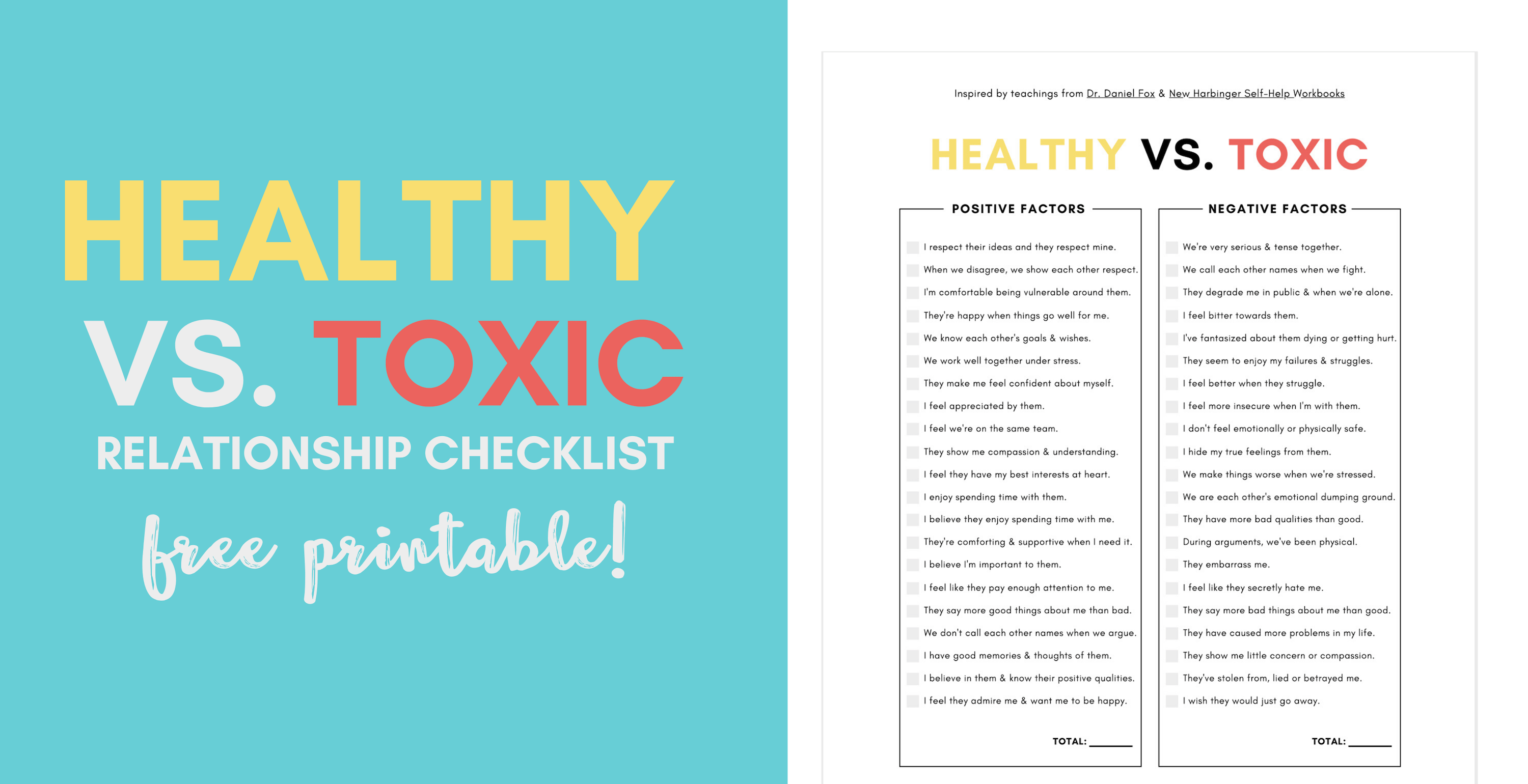
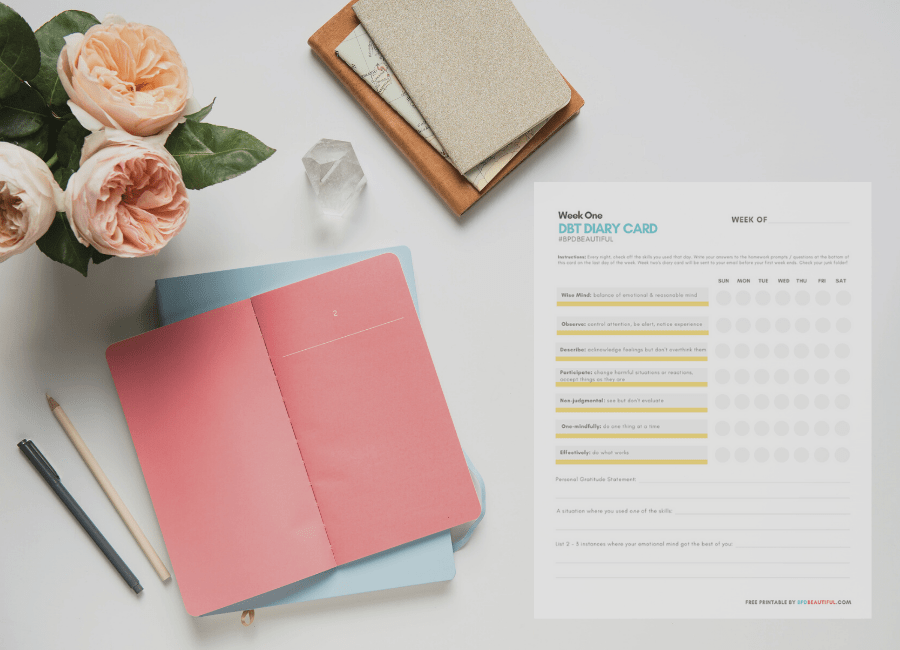
DOWNLOAD FREE PRINTABLE
BPD Resources
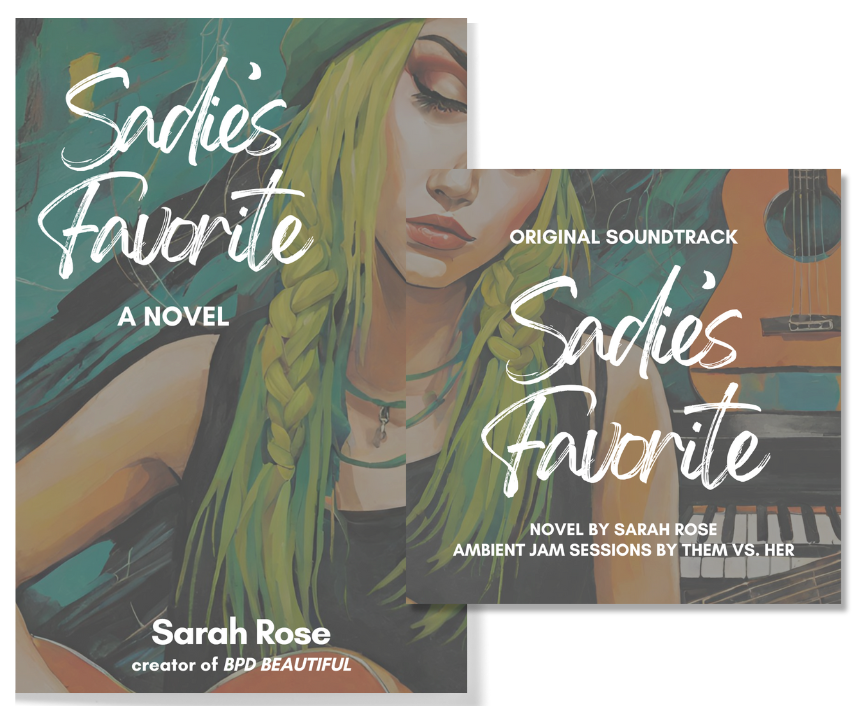
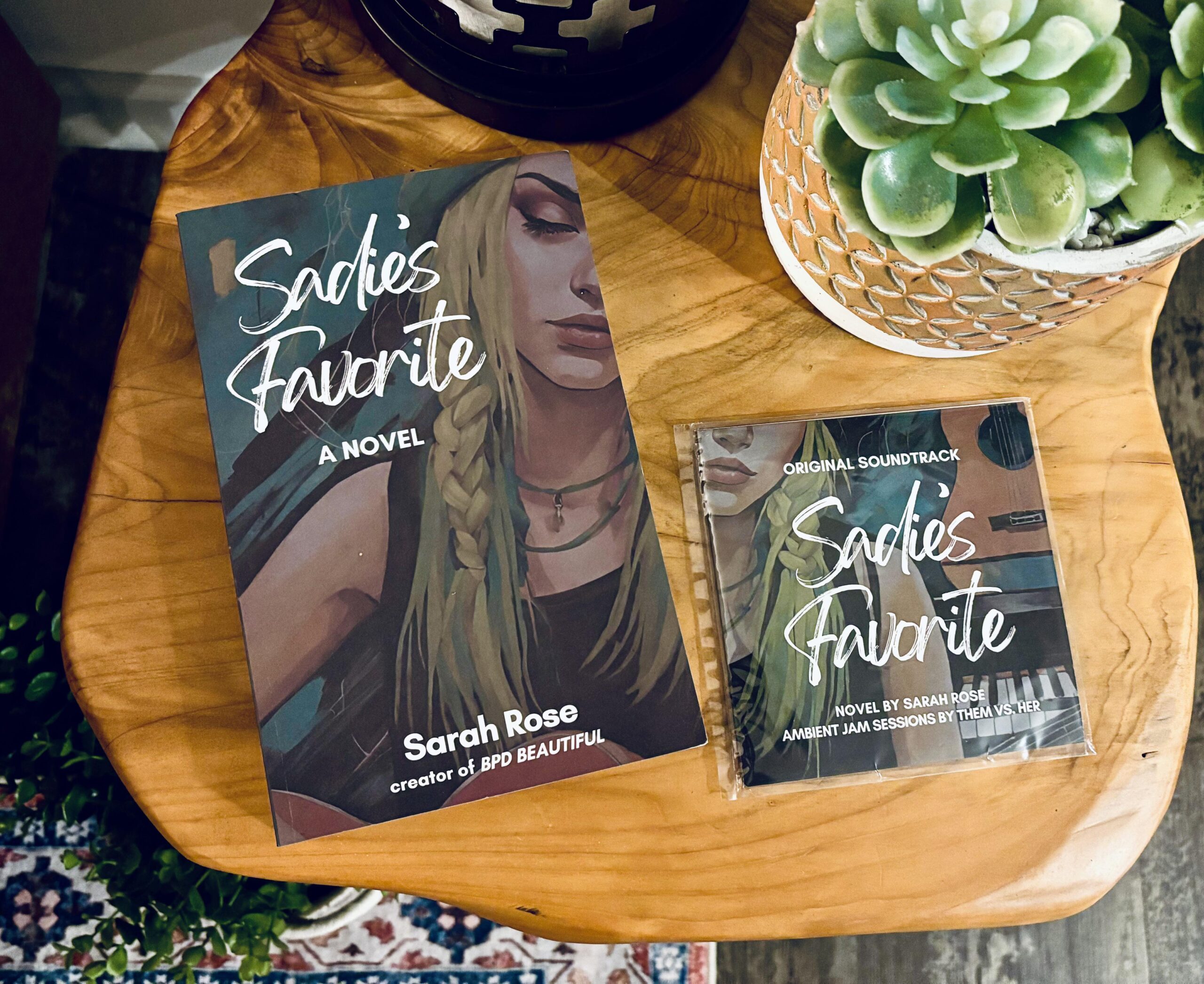
BPD in Fiction: Sadie’s Favorite by Sarah Rose is a Novel + Original Soundtrack that touches on BPD recovery and overcoming toxic “favorite person” (FP) relationships.
Join a Support Group: Study healthier coping skills with others. For people with BPD 18+ worldwide. Secure your spot! Join now.
Private Coaching: Get 1-on-1 support from someone with lived experience of BPD and remission by booking a call.
Manage your BPD symptoms with a printable workbook.
See our recommended list of books about BPD.
Start a Discussion
Have you gone through something similar? Share your experience in the comments.
Pin This Post
Liked this post? Please help support BPD Beautiful and spread BPD awareness by pinning it on Pinterest.



Leave a Reply
You must be logged in to post a comment.