Trigger Warning: This is the creator of BPD Beautiful’s personal testimony of BPD and Jesus. Abuse, self-harm, suicidal thoughts and healing is mentioned. Read at your own discretion, or skip to the “BPD & Religious Trauma” section at the end, and consider reading the rest after.
BPD and Jesus: Remember at the Start?
I was 13 when I first stayed in the hospital, or the “looney bin,” as my friends in the psych unit called it. I can’t deny that I actually enjoyed my stays there. It was a relief to be surrounded by other kids who appeared just as lost and as broken as me.
My childhood wasn’t the greatest, but I can’t say I experienced anything worse than what’s already considered normal in our corrupt, broken society. In my work with BPD Beautiful, I’ve seen how many others are affected by abuse, neglect and generational cycles, often resulting in debilitating mental illnesses like BPD and CPTSD. We all come from different walks of life and backgrounds, and yet we’re all part of the same cloth—interwoven threads stitched together to form a much larger picture.
I grew up in the church, alternating between Catholic masses and Protestant services (my parent’s families came from different denominations). As a family, we seemed to do all the right things. We prayed before dinner and bed every night. I sang in the choir and botched my first solo during an Easter mass. Sunday school, vacation Bible schools and church picnics with our Protestant church families were also my norm. When I was 7, around the time I received my first communion—I felt the love of God for the first time.
In my dream, I was woken up by a warm light that sat on the side of my bed. The figure was protective and loving. My young mind thought of it as an angel. As I looked around, I noticed there were 5 or 6 other figures of warm, peaceful light surrounding me. The comfort, safety and love I felt was so strong, I can’t even begin to describe it. My faith today isn’t built on that moment—it’s built on the truth of God’s Word—but from that night on, I had an inkling of the promises He’s made to us.
Things weren’t always easy. What was hidden behind our church-family facade was a lot more insidious in nature. Abandonment trauma, attachment wounds, unstable & intense emotions, rage, all forms of abuse, narcissistic defense mechanisms, neglect, untreated mental illness and toxic relationship dynamics were passed down through the generations. It ruled our lives, determined our actions and impacted the relationships we had with each other as well as the relationships we had with ourselves, as though satan himself had a hold over us.
One of my first memories was of me hiding under my parent’s bed with a knife inches from my face. I must have been 4. My father had left suddenly a few days before, after a fight with my mom, and she was convinced someone was trying to break into the house—hence the knife. My dad came home a few weeks later, but the screaming matches remained a regular occurrence. I vividly remember the hole in the hallway that was eventually patched over, and how it got there. I have more memories like that than I can count, and that’s just a small piece of it.
Of course I didn’t get out unscathed.
BPD Christians: A Childhood Longing
The first time I cut myself, I was only 11. It was around the same time I wrote my first book. The story came to me in vivid detail—moments after a fight with one of my parents and further encouraged by a long, isolating school break. I sat for hours each day, daydreaming and writing down what I saw.
The main character was a 15 year old boy who sang and played guitar. His best friend was a drummer, a girl he had met in kindergarten 10 years before and was secretly in love with. I didn’t know much of anything at 11, but both the boy and the girl’s backstories involved intricate betrayals and abusive family dynamics I didn’t yet understand and could barely describe. I will say, the boy had it worse.
He and his best friend ran away together and stayed in a vacant beachhouse. It was there they formed a band and recorded an album before they were finally found by police.
This story sparked a series of stories featuring these two characters, who became a couple at the end of the first book—once the girl finally gave the boy an opening to spill his feelings. I’m not sure where I took my inspiration from—I didn’t witness many healthy relationships growing up, but their relationship was hardly ever the conflict in the plots.
Instead, their love was an anchor that kept them grounded as they fought together to defeat the odds and untangle themselves from abuse. A word I would use now to describe their dynamic is interdependent—a relationship that built them up and provided them with a safe place not to cling to, but to securely call home. My soul craved stability and healthy love, and it came out clearly in my writing. At the time, I didn’t remember nor acknowledge that I could find this love in Jesus Christ, but I digress.
The last story I wrote of these characters came 10 years after the first, when I was 21. I grew up with them. They meant so much to me, I even named my son, who I had at 19, after the boy. Their love story became a blueprint. I spent all of my teens and most of my 20’s looking for a connection like theirs. Given my untreated BPD, narcissistic tendencies and how far away my heart was from the Lord—it was impossible to find, much less maintain, the healthy love I sought.
Christians with BPD: For I Have Sinned
Instead, I broke hearts and disrupted lives. I worshipped partners and lived in sin, using my past trauma and abandonment fears as justification. I leaned fully on my own understanding, and nearly destroyed myself and my family.
I should be another statistic.
I was lost. Dysregulated. Petrified. Judgemental. Selfish. Ungrateful. Rageful. Entitled. Full of shame.
But the Lord blessed me anyway.
From as young as 13, suicidal thoughts plagued me every chance I ran into conflict. The impulse to hurt myself took hold on a regular basis. I saw no point in continuing life when I was dropped off at a youth group in a non-denominational church on a Friday night. But it was there that I again felt the presence and love of God, just as I did in my dream years earlier. It was then that I asked Jesus to save me, and accepted Him as my Savior. I asked for forgiveness because I knew I was supposed to, but at 14—I honestly didn’t know what I was repenting for. Surely I wasn’t that bad, right?
Like with all my relationships, my relationship with Jesus started out rocky. I was a Christian by name and went with my father to church every week once my parents divorced, but I hardly lived as an authentic follower of Christ. I didn’t read scripture, but I was sure quick to judge. I was also quick to speak, quick to anger, and quick to act out of fear. I was demanding, untrusting and controlling. Instead of giving up on me, God worked behind the scenes and kept me safe. He patiently waited for me to find my way to Him.
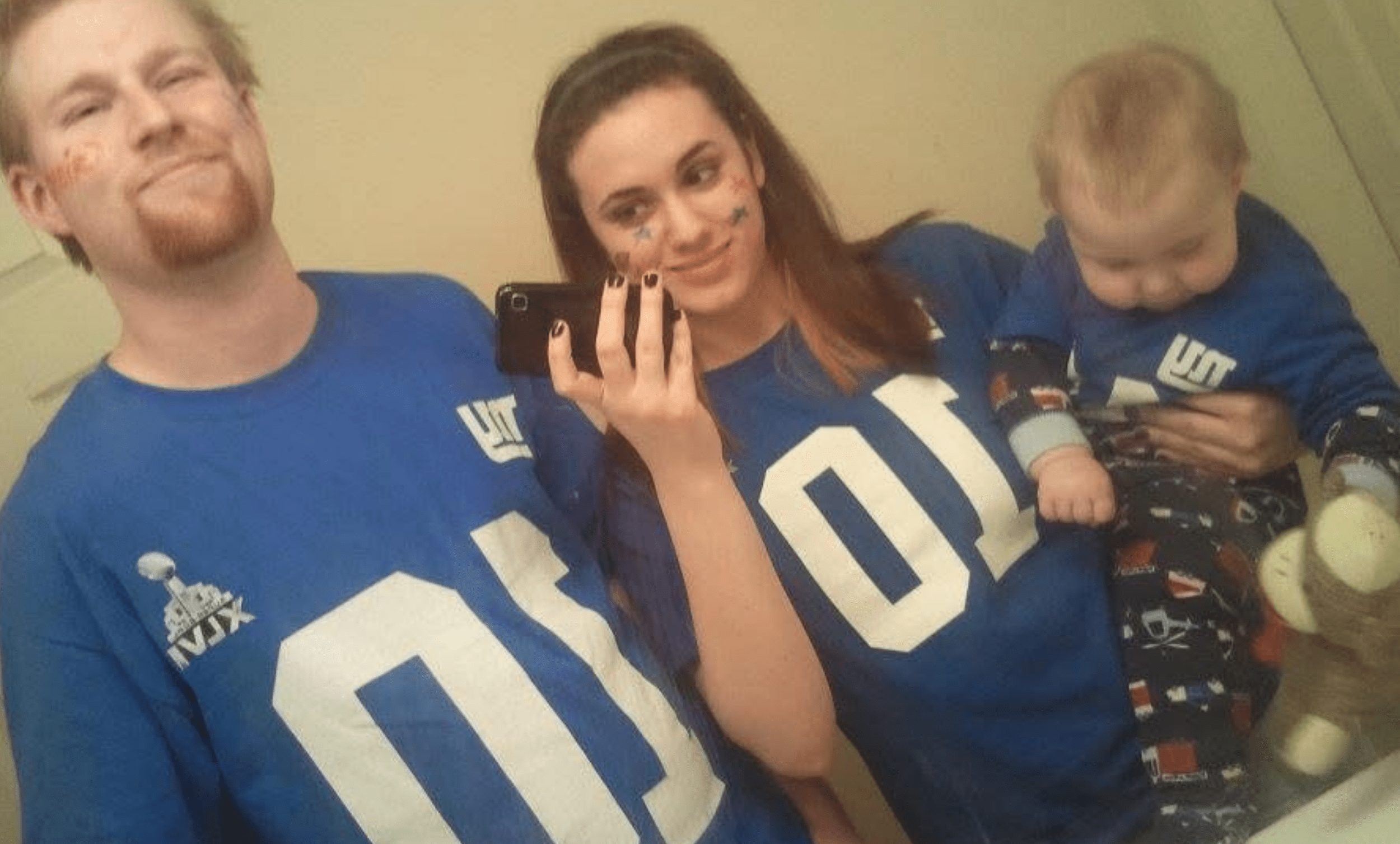
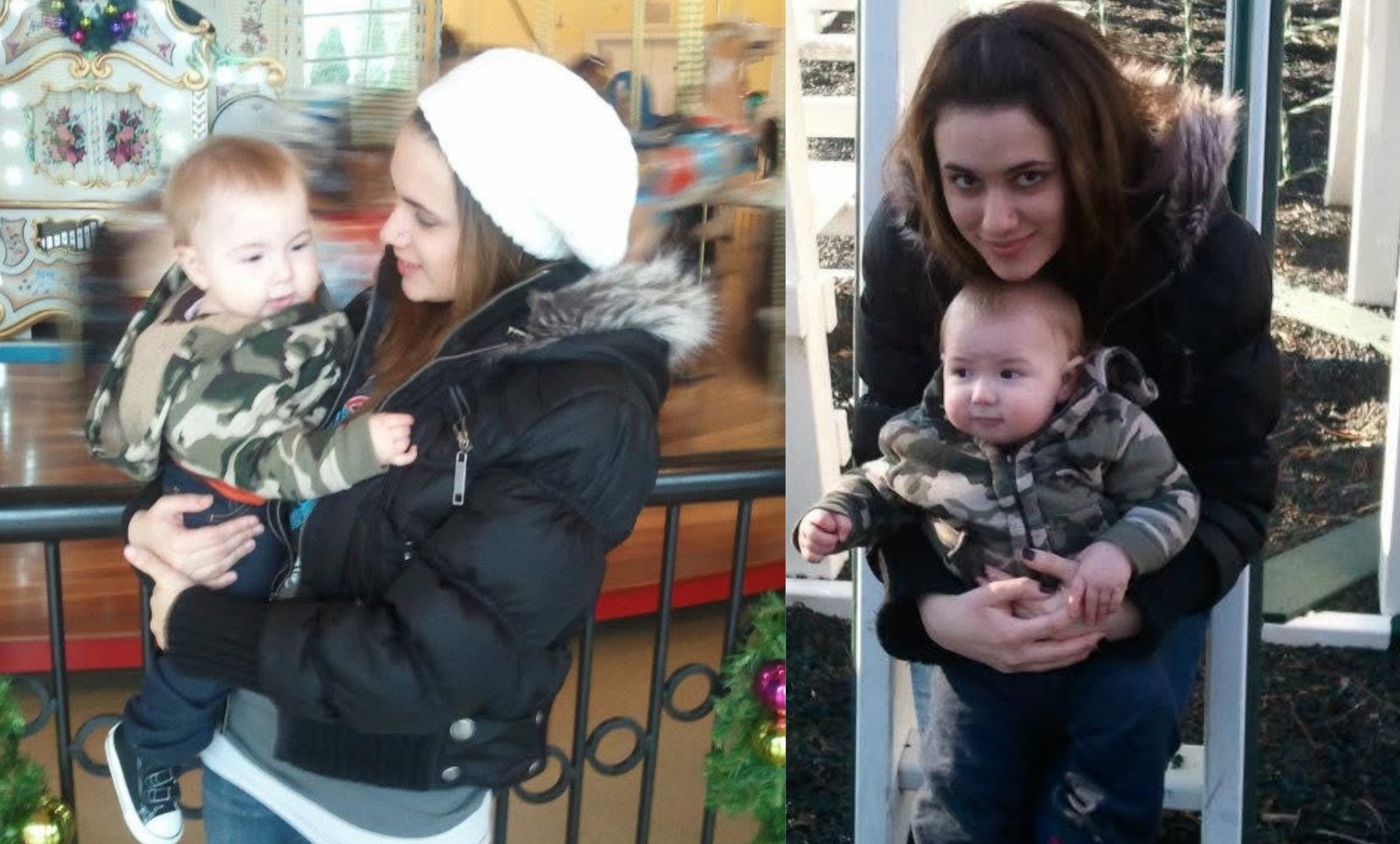
I could hardly function, but I eventually had a baby to care for. My son unknowingly kept me alive and going for the first 4-6 years of his life. Getting married at 18 and pregnant by 19 isn’t the smartest of life choices. Despite this, raising my son has been one of God’s biggest blessings in my life.
Looking back, I know moving out two months after my high school graduation and immediately starting a family with my equally young & inexperienced husband was my way of chasing after the connection the couple in my stories had. With my background, of course I lacked the life experience necessary to raise a baby successfully and choose a healthy partner (much less be a healthy partner myself). What should’ve statistically happened, was another full spin of the generational cycle of abuse and a life of trauma and debilitating mental illness for my son.
BPD and Jesus: A Renewed Family
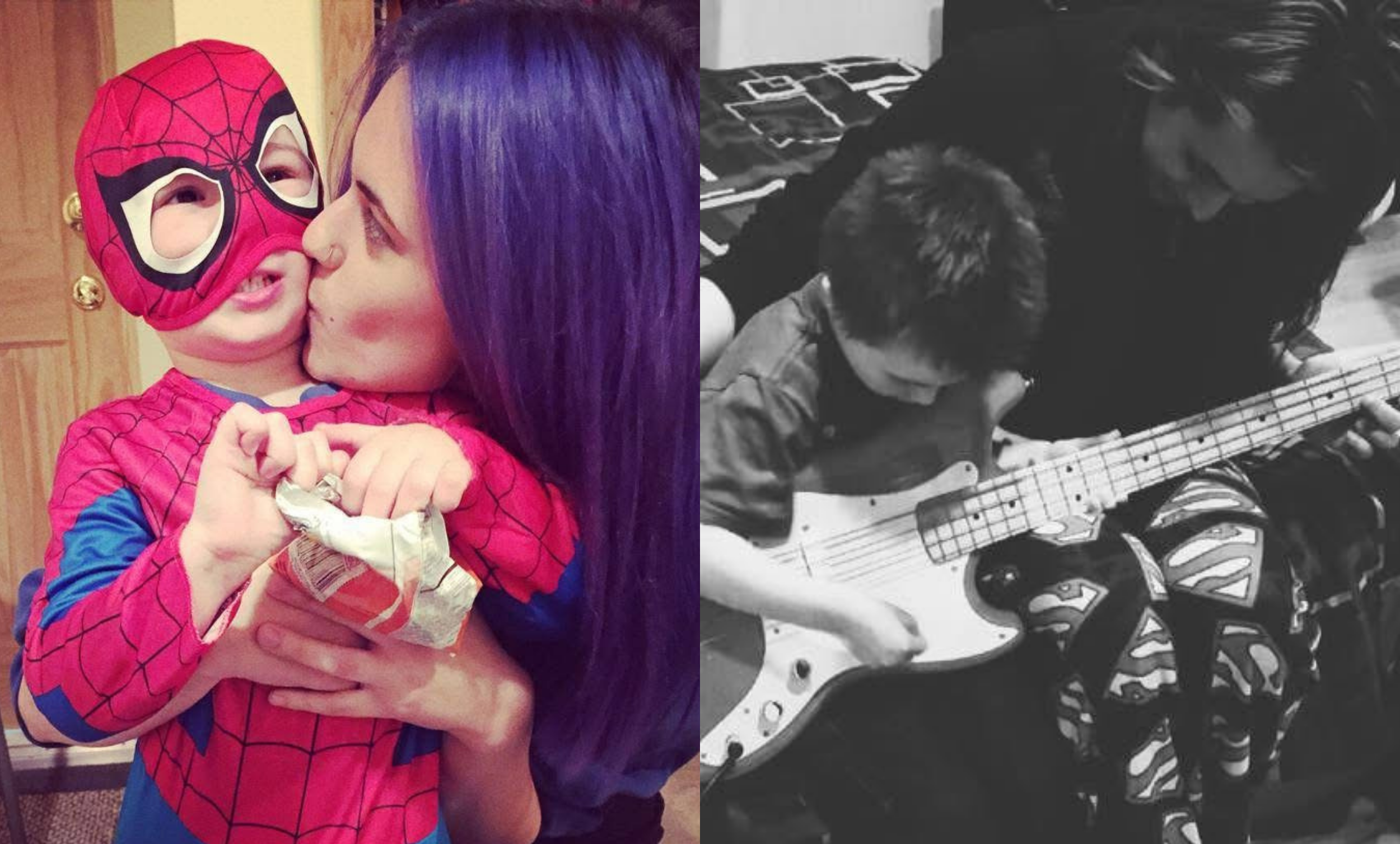
I met my son’s father at 15. We divorced when our son was a toddler, but the way he’s been able to forgive me, the way we’ve been able to communicate and mutually respect each other ever since is a huge blessing for our son and for our blended family. By His grace, in spite of my sin (an emotional affair, a form of adultery), we’ve managed to break the cycle of abuse and show our son what a loving family looks like. Both his father and I come from traumatic, broken homes—neither of us had the tools nor did we have the foundation necessary to build a healthy, loving co-parenting relationship like the one we have today.
It doesn’t change the fact that I hurt him, I just think it’s important to note that my son’s father found Jesus during our short marriage, and that we got baptized together when I was pregnant. While the marriage ended in heartache and betrayal, and I regrettably was not a good wife—God ultimately turned my failures & sin around for good and used it as an opportunity to teach and rebuild us both, so it could eventually be used as a testament of forgiveness and redemption.
My son’s father has since remarried a woman of faith, and together they’ve had two sons. They call me “aunt” (I’ve always wanted to be an aunt!). We spend Thanksgiving mornings together every year, attend each other’s family gatherings and sit together at school functions. We’re family. Having suffered from over two decades of untreated BPD—I never thought I’d be the type of person secure enough to have a setup like this. Or say something like this, and wholeheartedly mean it: I am thankful for my son’s stepmother & brothers, and for the joy and love they provide him and his father. I thank God for each of them and love them all. (their photos will not be shown for safety reasons, photos of my son’s father have been posted with permission)
God could have ended the blessings there, and it would’ve been more than enough. But He was just getting started.
And we know that in all things God works for the good of those who love Him, who have been called according to His purpose.
Romans 8:28
BPD Christians: BPD Beautiful, Made Possible
I didn’t go to college. I almost failed high school. I was an unmotivated student, and later, an unmotivated employee. I had no career plans and no realistic long term goals. There was a strong pull inside me to do something. Something important. I just couldn’t figure out what that was, much less how. By the time of my separation with my son’s father, I had no money. I was standing on a food line for free groceries and picking up freelance gigs wherever I could find them. By textbook standards and society expectations, I shouldn’t have the experience, the resources, the drive nor the technical ability to build and run a platform like BPD Beautiful. We’re a hub backed by a small team, and we provide self-help recovery resources to thousands impacted by borderline personality disorder every month.
To glorify Him (not me), here is some feedback we’ve received from the BPD community since our inception:
- “BPD Beautiful is filled with information and personal stories that I have related to consistently and used to propel my own recovery.” —Melody
- “Thank you for sharing your story and being vulnerable with us. You are helping so many people!” —Facebook Follower
- “I appreciate you and your website so much. The Lord is using you in super mighty ways. My life will never be the same because of your obedience to Him. You publishing my post last year opened up doors for me. It’s been so beautiful and healing. Thank you so much.” —Brianna
- “I’ve been struggling for more than a decade with mental health challenges, and their reaction to my Christian faith, and it’s been exhausting to say the least. I’ve read [BPD Beautiful] when seeking to better understand. Thank you for your openness and for offering a connection space.” —Website Visitor
- “Thank you so much for all of your insights. They are so helpful, and so validating. Thank you for sharing your experiences. This page is invaluable!” —Instagram Follower
- “Love your website and videos, it’s really helped me in my battle against BPD.” —YouTube Subscriber
- “Wait…this is actually helpful.” —Instagram Follower
- “BPD Beautiful has been a huge source of inspiration and uplift when I really need it.” —Website Visitor
- “This is THE BEST content regarding BPD.” —Claire
- “I love your page. All the posts aren’t ‘downers’ or depressing like a lot of BPD pages are. Thank you for that!” —Diane
- “Without your website and vulnerability, I would have never had the courage to write [a guest post], let alone submit it. You’ve inspired me to turn [an] idea into a nonprofit. Thank you so very much!” —Corey
This is because of God’s grace and goodness. Jesus has empathy for those inflicted with mental illness, and He weeps with those who suffer. He loves us all so much and wants to pull us out of the darkness. While BPD Beautiful has always been faith-based but secular (in order to be welcoming to all, the way Jesus is), the platform and mission belong to Him, and He cares deeply for you.
BPD Beautiful didn’t get here by chance.

God blessed the path when He introduced my mother to her now husband. It was my stepfather who had gotten me an entry level job without an interview, and into the world of marketing and web development back in the 2000’s. I wanted to be a film director, but God had other plans. At first, I edited tutorials and webshow content (oh how I miss the older, simpler days of the internet). I complained, dragged my feet and resented the process.
Then I was mentored by a different family member, furthering my skills for another 4 years. I again kicked and complained, hating the job and not seeing the blessing I was living in real time. At the same time, I cofounded a band and gained even more technical and creative experience. I thought maybe music was a part of my calling, and I guess in a way, it kind of is.
Come to me, all you who are weary and burdened, and I will give you rest. Take my yoke upon you and learn from me, for I am gentle and humble in heart, and you will find rest for your souls. For my yoke is easy and my burden is light.
Matthew 11:28-30
Christians with BPD: From Ego to Humility
During all this, I fell in love with another man and lost myself to him. Too blind from the intoxicating idealization and the honeymoon period to see the manipulation and abuse for what it was, I plunged head first and did whatever I could to appease and keep him—as if he held the key to my soul and could save me. In my hopeless quest for a relationship like the one in my childhood stories, I stuck around for much longer than I should have.
I took on the blame and did everything I could to fix my mental health, so our relationship could finally work. I couldn’t shake the urgent need to provide a more stable life for my son. So I dove head first into therapy, and slowly learned healthier communication skills & coping skills. I spent my free time filling out therapy worksheets and obsessively reading about mental health, healthy relationships and personal development.
I wasn’t too focused on Jesus during all this, but He kept calling me. I took my son to a couple of nondenominational churches, too shy for fellowship and too shy to settle into a single church home. We kept up with the dinner and bedtime prayers. I told my son what I knew about Jesus and read him a children’s bible at night. I took some steps, but I still wasn’t living the way a follower of Jesus really should.
I wasn’t trusting Him, so I wasn’t submitting. There were too many times I thought I knew better, or over planned in order to compensate for my lack of control and understanding. I was once so arrogant, I vividly remember saying—after achieving an accomplishment, “God didn’t get me here. I got myself here.”
Not surprisingly, I lost the benefits of that accomplishment within months of boasting. I’m thankful that experience humbled me, instead of hardening my heart.
It wasn’t long after, that I started reaching out more to Jesus. He should have turned me away for my arrogance, but He welcomed me home with open arms. I prayed a lot in the car, and worshipped Him alone in the late hours of the night. Not only did I feel His love for me, but I gradually began to wonder how I showed my love to Him. I suppose all of that obsessive reading about healthy relationships over the years helped me realize that a relationship with Jesus requires just the same: communication, respect, trust, humility. Was I loving and honoring Him in ways that mattered?
A couple of years later, I got diagnosed with BPD and started BPD Beautiful to document my treatment. It was then that I ran into yet another hidden blessing: an opportunity to do dialectical behavior therapy (DBT). My therapist had just switched to a private therapy practice. Instead of staying in the low-cost clinic she was leaving, I felt compelled to follow her—even though I was worried about the increased cost.
Within months of switching, my therapist told me the practice was offering a DBT group, something they didn’t typically offer. The best and almost unheard of part? The group was completely free for existing clients.
That DBT group went on to become a life changing tool, and it’s inspired a lot of our content. Consistently practicing the skills I learned (to the point of them becoming habitual) helped me finally go into remission. I went from having all 9 symptoms of BPD to not even meeting diagnostic criteria.
(Read: 1 Year of DBT vs. 3 Years of DBT – my progress from 2020 to 2022)
But no matter what I did or how much my mental health improved, nothing in my romantic relationship changed. The abuse wouldn’t end.
BPD and Jesus: The Answer Was “No”
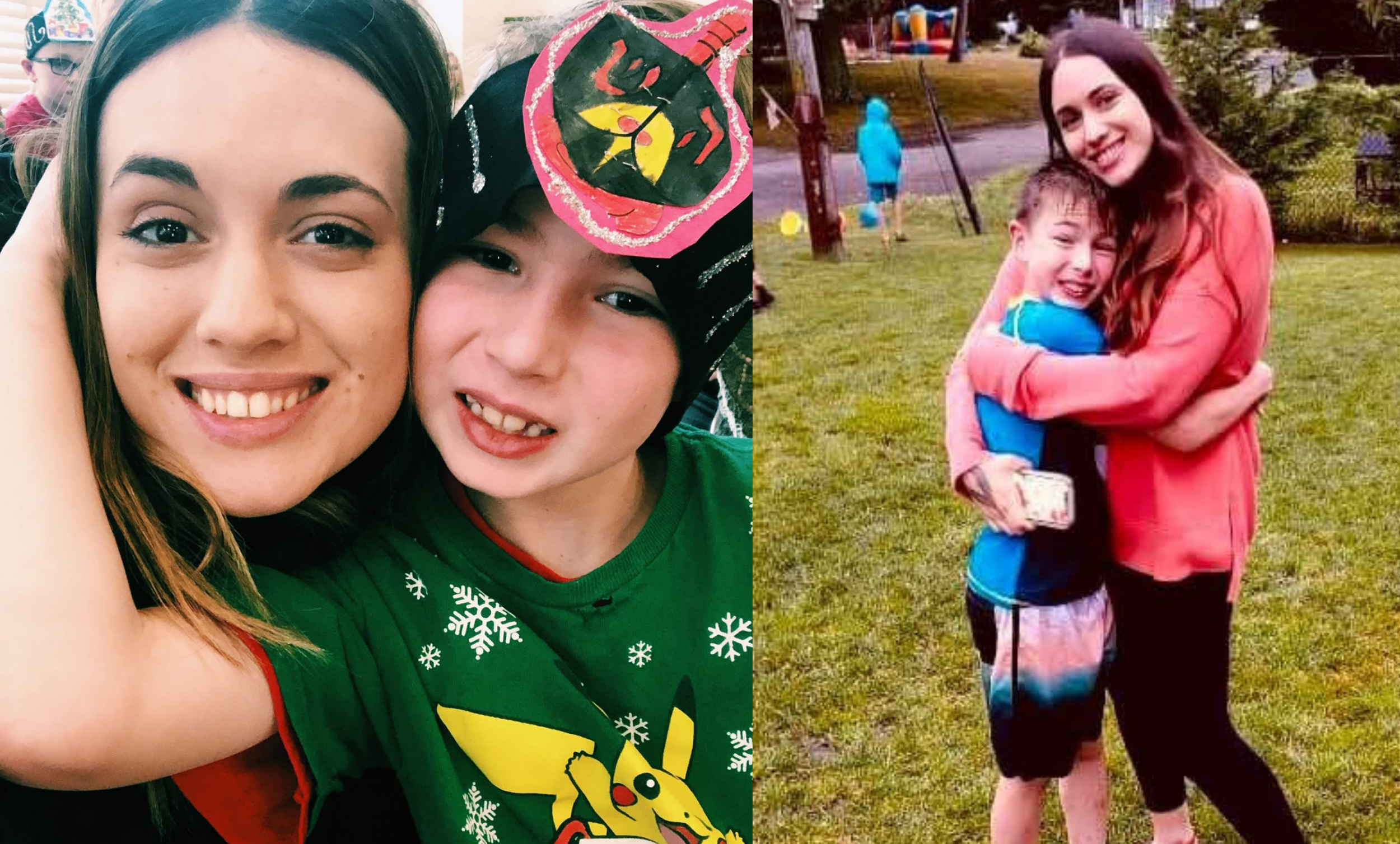
One day, I prayed for discernment and the day after, I prayed for it again. Over time, I began to feel the Holy Spirit dwelling within me—something I never seemed to notice before. I could feel myself changing. Certain parts of my life began to turn me off. I became more curious about scripture. I prayed for the man I loved, for our relationship to work and for him to have a change of heart. I prayed for that for a long time.
The answer was a resounding no.
While He didn’t save the relationship, He did give me the strength to break the trauma bond, no matter how hard. I had to do right by my son. He didn’t deserve a home full of contempt and bitterness. He didn’t deserve a home that required him to walk on eggshells. It was time to move on, and to finally stop the generational cycle of abuse mid-turn.
BPD and Jesus: A Time to Isolate
By then, years of abuse had passed and I was done looking for love. The stories I wrote as a child were something from my past, nothing but a cute fantasy made up by a young girl with an overactive imagination. At that point, I had pretty much forgotten about the characters.
I wasn’t cynical about love, just disinterested, and I found that I actually enjoyed my time alone. I re-learned who I was before the relationship and developed an even stronger sense of identity. I prayed a lot, made new friends and reconnected with people I’d neglected over the years. My son and I grew even closer, and I realized how much more peaceful things were between his father and I, without my ex’s influence. I felt fulfilled, and made new. Born again. I was a better version of myself. The version of myself I always longed to be. Most importantly, my relationship with Jesus was stronger than ever.
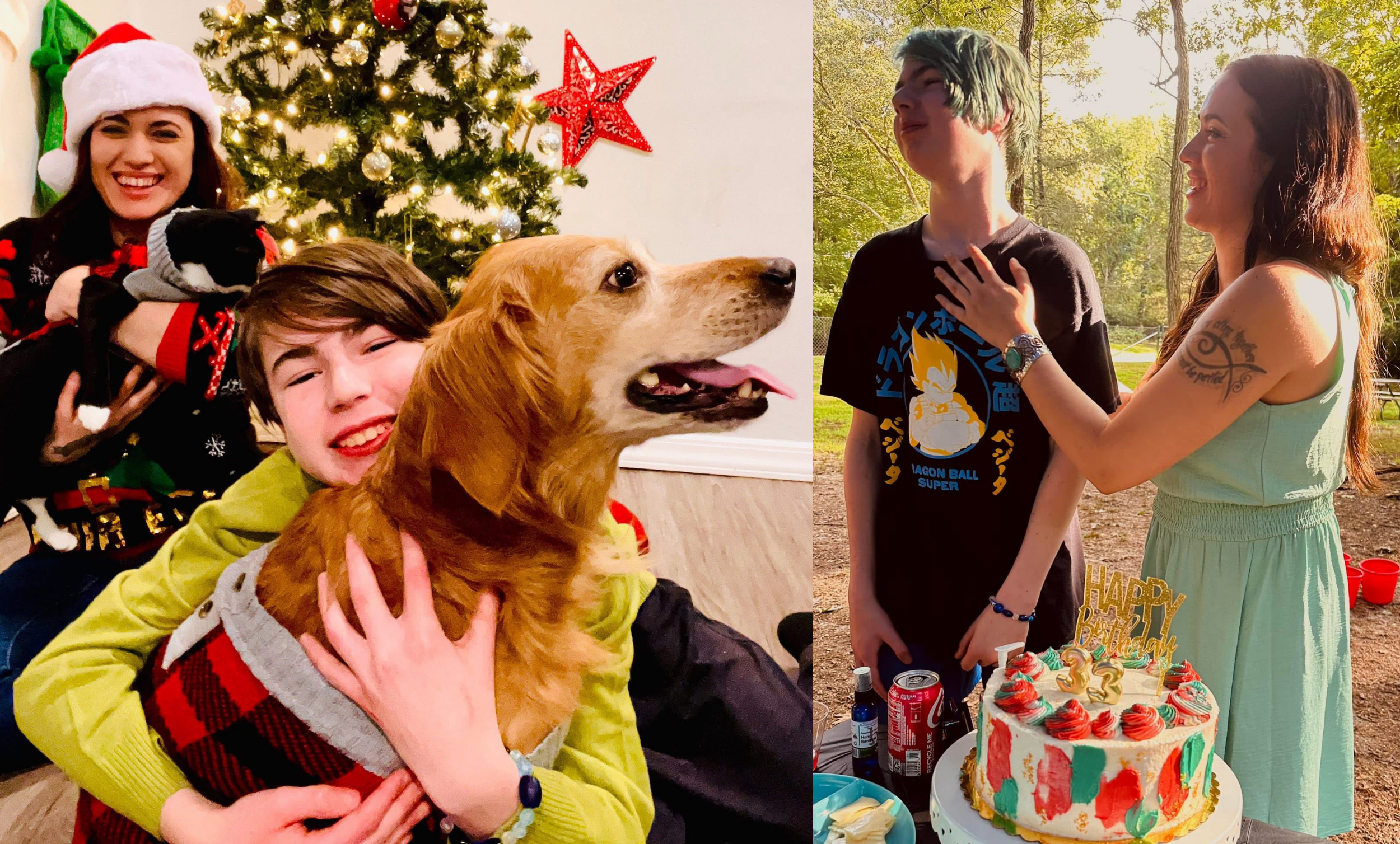
A couple of years passed, and I got a message from my best friend, whom I hadn’t seen since several months after leaving my ex. He was the drummer in the band I cofounded in my early 20’s. He’d joined the band a couple of years after it was formed, almost 10 years earlier. He was closely associated with my ex too, so after the relationship ended, I told him I needed space. He wouldn’t understand, I figured, and he was a painful reminder of a life that didn’t work out. He respected my request and didn’t probe for an explanation. Honestly, I wasn’t expecting to ever hang out with him again—not until his message, where he invited me to a show he was playing. He said he missed me, his best friend. I hesitantly accepted.
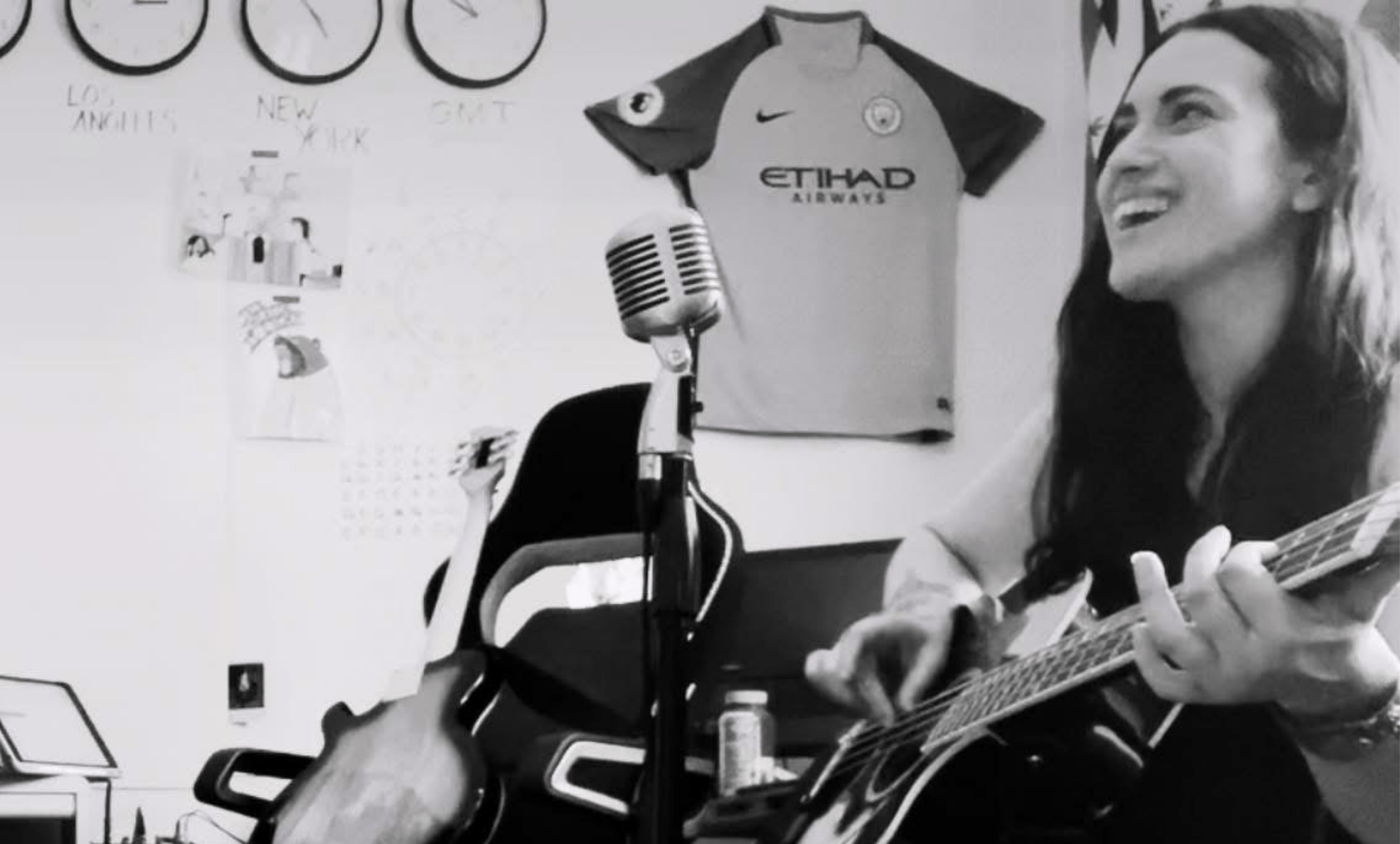
Watching him play that night relit a fire in me. I just had to get back up there. I had to sing. I had to play. I had to write. The decision was made over burgers in a diner at 1 in the morning. We were getting the band back together.
BPD Christians: A New Chapter
Six months later, on the night before our first comeback show—I woke up gasping for air, unable to take a full breath as my heart pounded and skipped. After nearly passing out driving myself, I was taken by ambulance to the hospital. Once I was given oxygen and better able to breathe, I texted the guys. It was possible we would have to cancel the show.
My best friend came as soon as he could, and sat with me in the emergency room. He didn’t leave my side as they moved me to the unit, and he helped me stand up from the gurney. Visiting your friend in the hospital is touching enough, but I knew this was particularly difficult for him. It was the same hospital where he’d suffered a traumatic event five years earlier, and vowed to never step foot in again. I could see the fear in his eyes, but he didn’t say a word. “I wouldn’t have done that for anyone else,” he’d later tell me.
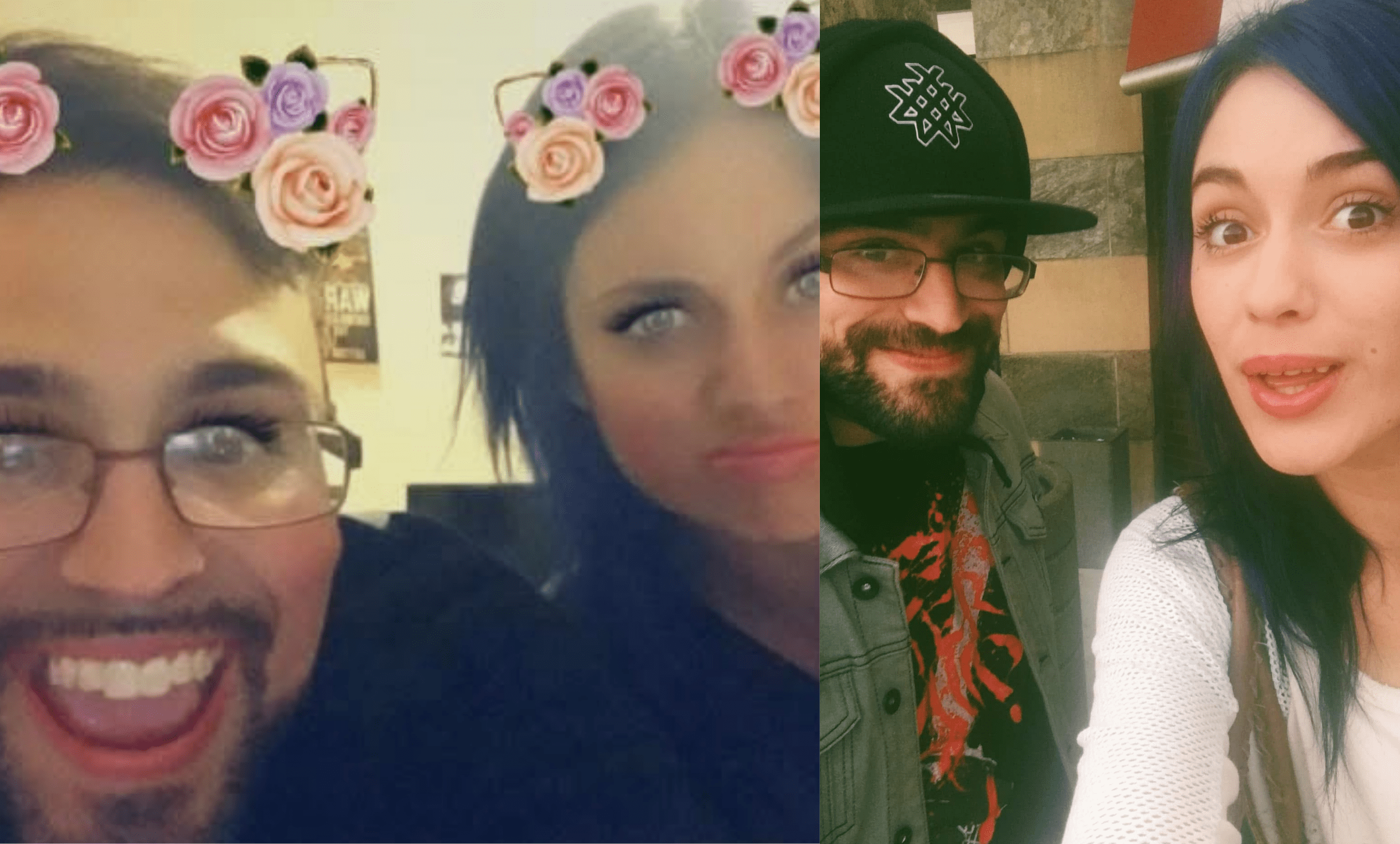
Something to know about my best friend is, he’s one of a kind. I didn’t know much of anything when I met him, but him and I had one of those rare, instant friendships—sealed by a shared love for music and common weirdness. He was quirky, a bit too emotional, prone to anger but quick to get over it, rigid with his routine, protective and loyal to a fault. He was easy to read and easy to understand.
He told me once that he was diagnosed with autism. At the time, I didn’t know how similar BPD and autism were (I hadn’t even been diagnosed yet)—but I knew he was someone I related to, and someone I cared deeply for, and felt equally protective over. He was susceptible to manipulation & abuse, and was easily taken advantage of. I recognized that in him, because I’d started seeing it in myself.
The hospital was like a dam breaking. For once, I allowed myself to be vulnerable and placed my hand over his as we sat in silence. That night and in the days that followed, feelings he kept repressed for years came to the surface. He knew I needed time to grieve, and he no longer spoke to my ex. I was, he said, “the love of his life.” Despite my worries and fears of getting hurt again—I allowed myself to accept his love, something I knew I had failed to do in the past with my son’s father.
Christians with BPD: Discern, Describe
In the weeks leading up to that hospital visit, I realized I was starting to see my best friend in a different light. He wasn’t a protective older brother. He was handsome. He was kind. My new friends, who hadn’t known him previously, openly stated how much they loved and approved of him. I realized he was being observed, silently questioned—something I had learned to do over the years. Don’t follow your heart, or blindly trust your gut. Discern. Even if it’s your best friend.
Would he respect me? Would he strengthen my faith, or lead me astray? Would he care for me if I was sick? Would he hold himself accountable? Would he step up to the plate and push himself to his limits? If it meant he could grow with me? Would he love me the way Jesus loves me, the way Jesus loves the church? Would he himself love and follow Jesus?
It turned out he’d grown a lot over the year and a half we didn’t speak, and there were sides of him I didn’t know about or had overlooked—things that made me respect him more, and further built my trust in him and his capabilities as a partner. His self awareness and emotional intelligence were impressive. I’d severely underestimated him. But it didn’t matter what I thought I knew, so I prayed for discernment. I asked God for guidance, to make His will so clear I would have no doubt one way or the other.
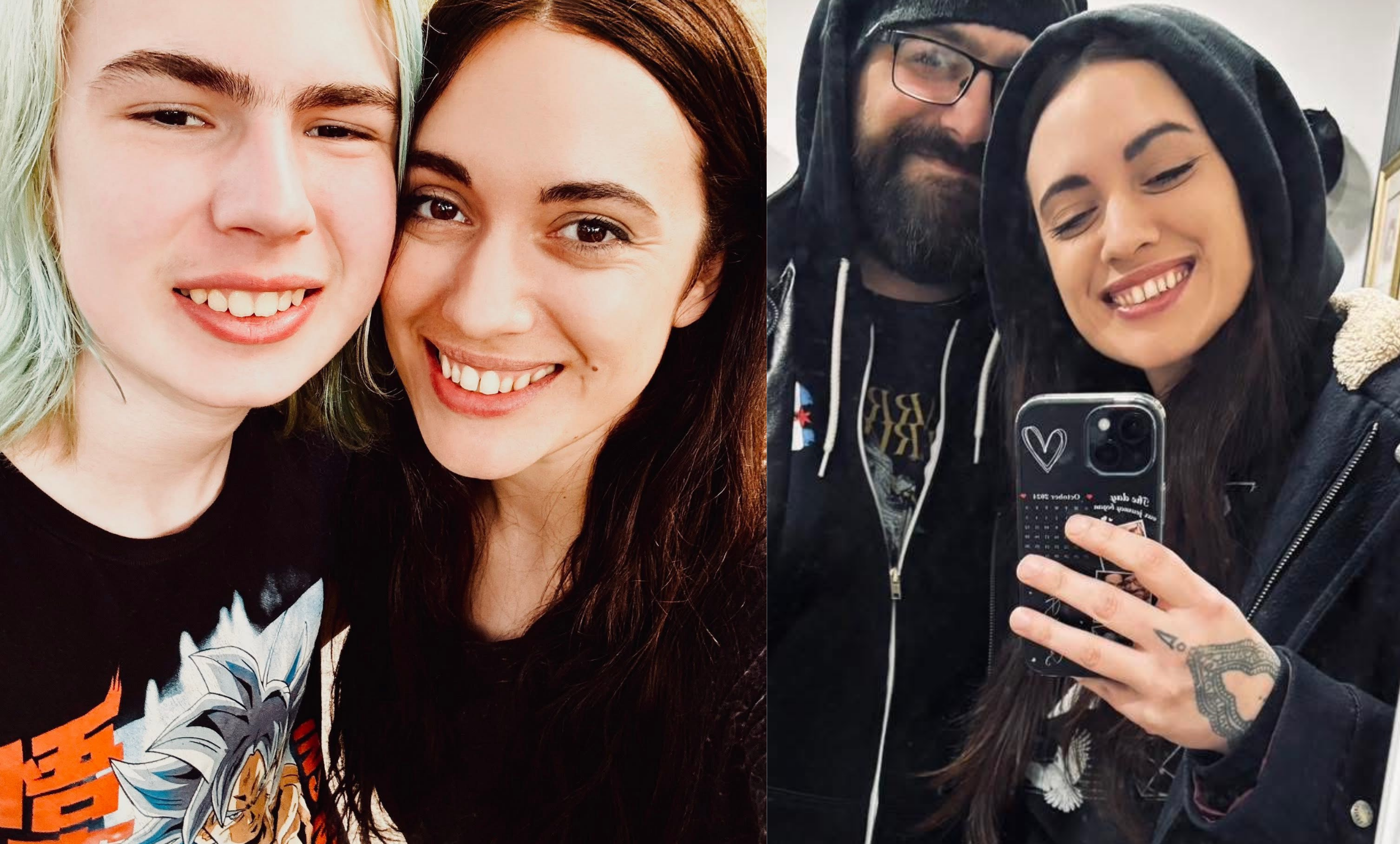
That same week he asked if he could go to church with me. And he immediately hit it up with the pastor—being his usual outgoing, eccentric self.
It was a few weeks later when I remembered. The stories. The characters. The connection. And I laughed. But that alone wasn’t proof. To avoid leaning on my own understanding and to avoid making assumptions—I didn’t react or base all of my decisions on it, the way I would have in the past. Instead, I observed and enjoyed the ride.
He kept coming to church with me, and soon with my son as well (his long term “nephew”). Following his lead, I found myself coming out of my shell—something I still struggle to do in a church setting.
This relationship was different, and not in an idealistic way. It was the first relationship I had where I no longer met criteria for BPD. From the start, I didn’t fear his abandonment. Instead, I felt unusually secure in his love (If I was still struggling with BPD, our long history together would not have stopped the triggers or the emotional fallout of episodes). I wasn’t splitting on him, or losing my identity to him. I continued my work and focused on my son.
We both got re-baptized. This time, it felt different. I was truly changed. Wiser. Emotionally Stable. Closer to God. I saw, and still see, the same change happening to my best friend. It’s been truly miraculous to witness his growth & healing, especially in the aftermath of something unimaginable.
BPD and Jesus: A Secure Home
The day we got re-baptized was only two weeks after we found out some very bad news. This revelation shattered our plans, and forced our new love merry-go-round to come to a complete halt. Would we have what it takes to succeed, in spite of the clear opposition and tough, unfamiliar road ahead? I can’t go into specifics, because of an active court proceeding, but I can say it involves an intricate betrayal and abusive family dynamics. The heartbreak and hopelessness we felt in the months after made it clear: we were in a battle—both legal, and spiritual.
That phase of our story is on track to being finished. There’s finally a light at the end of the tunnel. We don’t know what’s to come in the months ahead, but we’re trusting our Lord Jesus to keep us safe. My best friend is not yet my husband, but he will be within weeks of publishing this. He shows signs of being equipped to lead me spiritually: he helps me keep myself grounded when I’m overwhelmed, he relates to me and validates me, he pushes me to go to church when I’d rather isolate, and he reminds me to lean on and trust in God when I worry.
That’s not to say we don’t have our struggles. Placing two neurodivergent people with CPTSD symptoms together is bound to result in turbulence. We both get flashbacks, and sometimes they impact how we view each other. We both have periods of rage, and sometimes we’re not that great at controlling it. We were never promised a life without hardship, and spiritual warfare is real. Some days we’re too detached to do anything but sit in silence, other days we need to remind each other that we were prepared and refined to be stronger together. But usually things are pretty calm, peaceful and steady. Most importantly, my BPD has not come back. Healing from trauma can feel impossible sometimes, and relationships always take joint effort and hard work, but with Him all things are possible.
Ultimately—I feel God’s love for me through my fiancé and our relationship, and that’s what marriage is supposed to be: a reflection of His love for us.
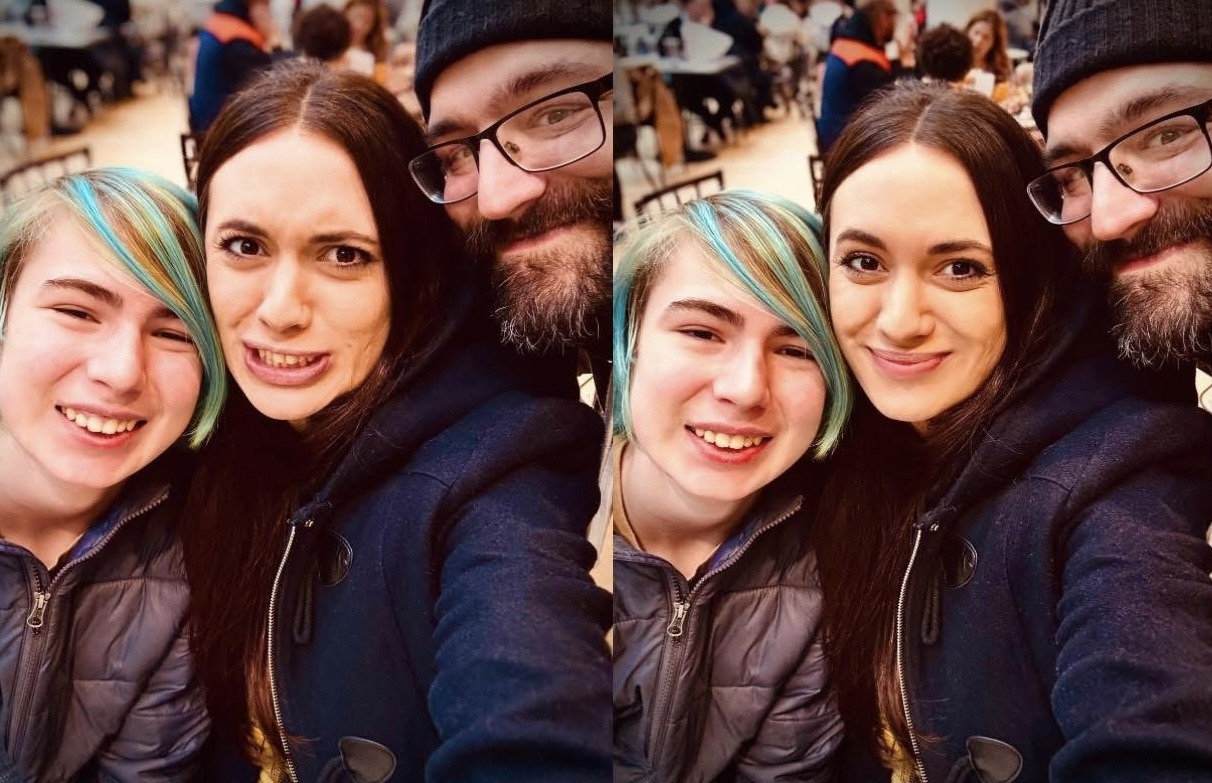
I can’t explain the “coincidences” between my childhood stories and present day relationship. My lifelong habit of pattern recognition has caused me to make poor assumptions and bad decisions in the past, so I’m not looking for an explanation. What I do know is: #1 – I do not deserve to have any version of my childhood dreams come true. #2 – It wasn’t good works that healed me, nor was it obedience. #3 – It was by His grace, that I was saved.
It can be very difficult to lean on God’s understanding, to deny yourself in order to follow Him. It’s a daily battle but I’ll keep trying, because I trust in His promises and know that His commands are in place not to be a ruling dictator, but to keep us safe from the enemy.
My fiancé is 4 years older than me, so he was 15 when the character he reminds me of was first written into existence. Whatever the reason for the coincidences—it’s still nice to think that as he was navigating his abusive family as a teen, feeling like an outcast and being dismissed as “not enough,” I was out there coping with my own trauma by writing. We didn’t know each other yet, but one day we would. It just reminds me that God is always with us. We have to trust the Creator’s plan with our lives, both through the struggles and the good days. He knows significantly more than all of us combined.
Lastly, out of all God’s blessings, one of my favorites is the fact that my fiancé and my son’s father get along so well. My son’s father told me once that he’s always wanted a brother. My fiancé seems to have stepped into that role. He had to go No Contact with his family once things were set in motion. Anyone who’s had to crawl out of the family abuse cycle knows how heartbreaking it is to figure out the truth, and how bad the grief hits you on your way out. I’m so thankful the Lord Jesus gave my fiancé a path to walk away, and a safe place to heal and reclaim his life. I’m grateful our family could help give him the familial support & community he so desperately needed. And how great is it for our son to see and normalize this kind of love and respect?
All I can say is—Thank you, Jesus. King of Kings. Lord of Lords. Name above names.
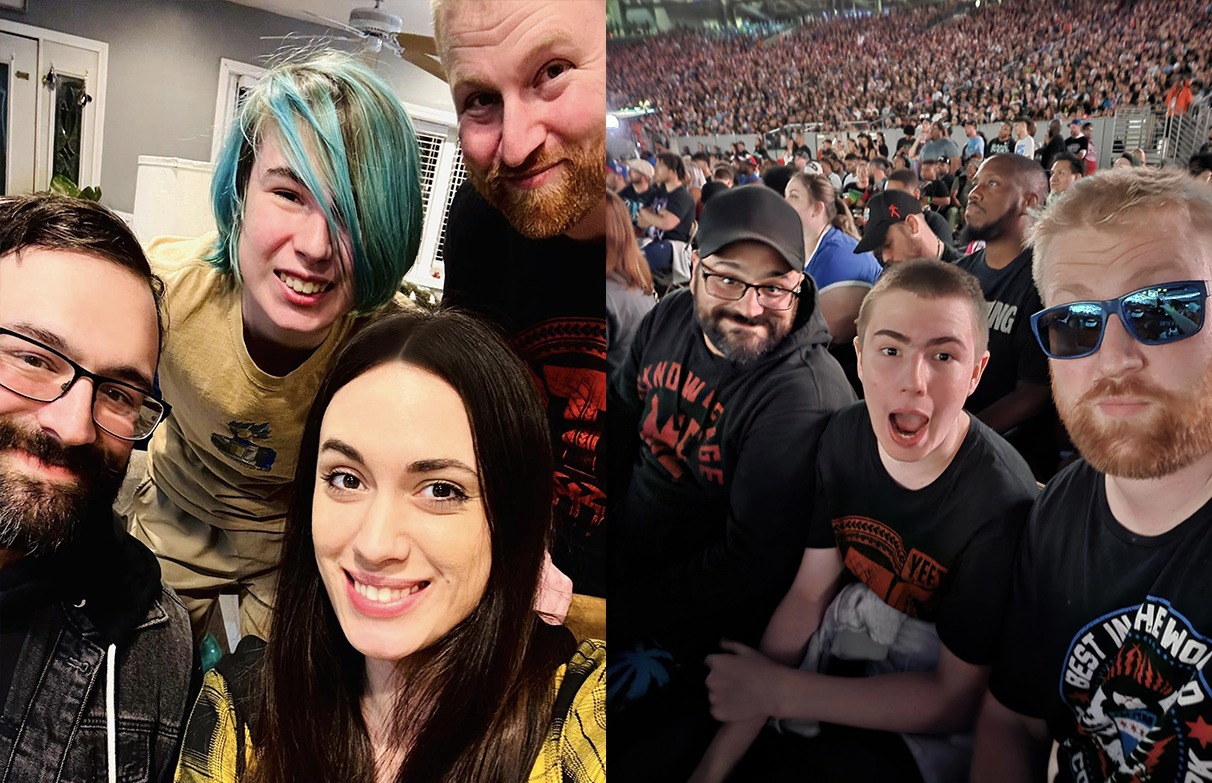
BPD and Jesus: Thank You, Thank You
Even though my childhood and early teen years resulted in BPD and CPSTD, I’m thankful I was introduced to Jesus right away. I am wholeheartedly His. My life belongs to Him. I’m thankful I had a couple of key figures who modeled what it meant to be an authentic follower of Christ, so I would one day notice the flaws in how I practiced my faith. I’m glad He’s built me up to become a role model for others, in ways I never would have accomplished on my own. I don’t take that responsibility lightly—it honestly supersedes my abilities on a regular basis, which makes me lean on Him even more, especially when I know I’ll fall short for those who have turned to me for answers.
And as odd as it sounds—I’m also thankful that I was exposed firsthand to the reality of abuse and it’s effects outside the church, because it gave me understanding and a keen compassion for those who have been harmed under the guise of God.
UPDATE: We tied the knot! Thank you, God, for drying every tear and for answering every prayer (even when Your answers weren’t how I wanted You to answer).
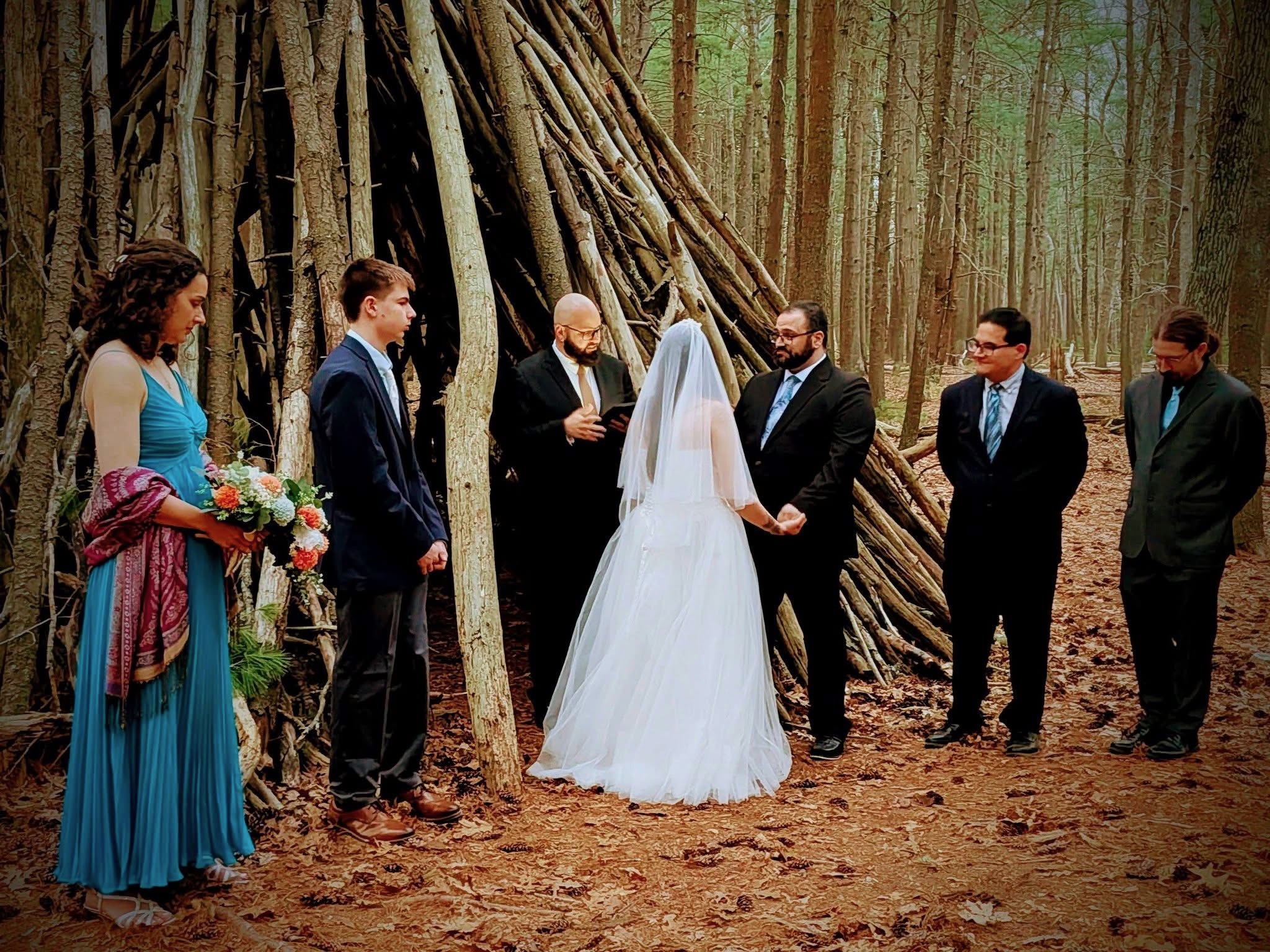
I feel a need to write this next part out on BPD & Religious Trauma, in case it hits home for someone. I pray it reaches whoever it needs to.
BPD & Religious Trauma – Your Pain is Valid
Religious trauma is real, and it’s especially prevalent among the BPD community—so if that’s you, reading this…I want you to know that abuse (especially abuse done in the name of God) goes against every teaching of Jesus. God loathes wickedness. He does not condone abuse. In fact, the oppressive and hypocritical religious leaders of Jesus’ time were the ones He called out the most.
(Read ‘What Does the Bible Say About Abuse?’)
Whatever evil happened to you and whatever pain you suffer as a result—please know that the Lord Jesus stays with the oppressed, He heals the brokenhearted and He loves you more than you could ever begin to imagine. Your pain is valid, and He knows that. He wants to take you from it, the way He did for my fiancé. He wants to rebuild and refine you, the way He has with me and my family.
Not everyone in the church will have a heart that is close to Him, and some are only there to stroke their ego or prey on the vulnerable. The enemy does what he can to infiltrate the church—the same way two abusive parents work to divide their children. That does NOT mean all hope is lost. No. Our hope is found in Jesus Christ. So please, don’t let the people who’ve harmed you keep you from getting to know the real Him—the one who gave His life, so we could be saved from the curse of sin and death on the world. He’s holding out His hand. Please take it.
Some Christians will hurt and disappoint you, and let you down the most. God knows I’m not perfect. You’ve read some of it here. I’ve done my share of harm to others—either out of unchecked anger, unchecked selfishness, unchecked ego, unchecked trauma or just plain ignorance. We’re called to take accountability and repent, but that doesn’t mean every Christian will. We’re called to walk in the spirit, but that doesn’t mean every Christian does.
These are human failures based on the sinful nature of human flesh, and are not a representation of our perfect, loving God. No one is elevated above the rest, but Him. The fact that we, as a society, can’t be holy without Jesus is the very reason we need Him. He loves you. He’s calling you. Call upon Him, and be saved.
Christians with BPD: Other Testimonies
Here are more posts on BPD Beautiful with testimonies from other brothers & sisters in Christ, all struggling with BPD.
BPD Christians: A Faith-Based Story
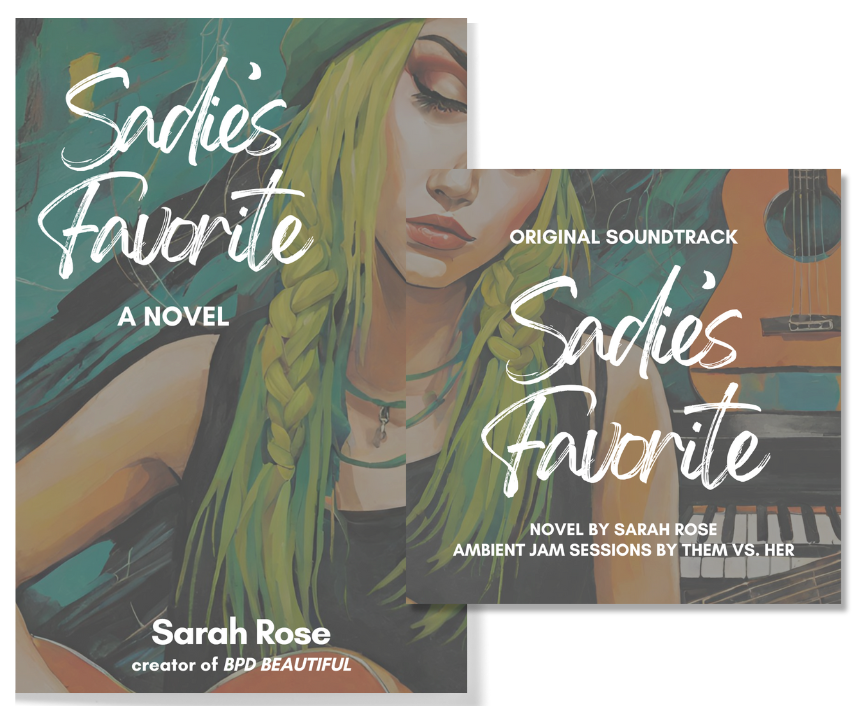
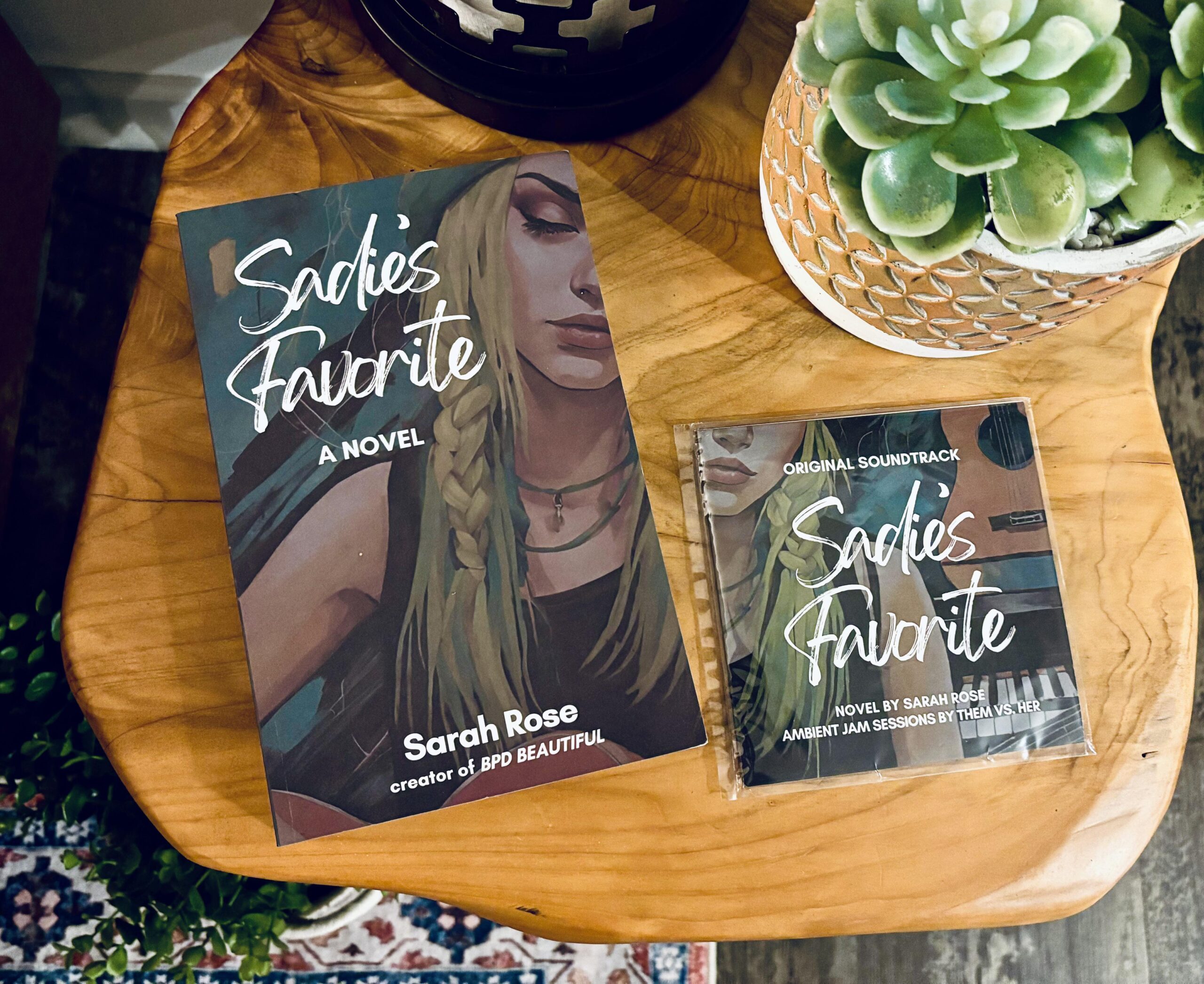
If you would like to explore the topic of BPD and Jesus in more depth, I encourage you to check out my novel Sadie’s Favorite. It’s a BPD fiction novel that covers recovery and abusive “favorite person” (FP) relationships, but it also shows the protagonist’s walk with Jesus. It’s loosely based on my own testimony and includes an original soundtrack from our band, Them vs. Her. I prayed extensively over this project and I pray it reaches whoever it needs to.
In case buying a physical or digital copy is not possible for you, here is a link to a PDF of the full book for FREE. You are welcome to share this link on your social media pages or with anyone who may benefit.
A Closer Look at BPD
Sadie’s Favorite: A Novel + Original Soundtrack explores BPD recovery, favorite person relationships and healing from trauma bonds.
BPD Resources
BPD in Fiction: Sadie’s Favorite by Sarah Rose is a Novel + Original Soundtrack that touches on BPD recovery and abusive “favorite person” (FP) relationships.
Jesus is Calling: “How God Healed Me From BPD & Helped So Many Others” — Read the testimony.
Recovery Merch: Help support BPD Beautiful’s mission by visiting our Official Store. Features DBT inspired shirts, pillows, mugs and more.
Peer Support: Get support from someone with lived experience of BPD and remission by booking a call.
Manage your BPD symptoms with a printable workbook.
See our recommended list of books about BPD.
Start a Discussion
Due to the sensitive nature of this post (BPD and Jesus) and the potential for heated debates that could be triggering for some, comments have been turned off.
Pin This Post
Liked this post? Want to spread awareness of BPD and Jesus? Help support BPD Beautiful by pinning it on Pinterest.