

In healthy families, love is unconditional, individuality is celebrated, and boundaries are respected. But in a narcissistic family these principles are often absent. Instead, control, manipulation, and enmeshment dominate, creating an environment that closely resembles the dynamics of a cult.
This article explores how narcissistic family systems mirror cult-like structures, the psychological impact on members, and steps toward healing and autonomy.
Understanding Narcissistic Family Structures
A narcissistic family is typically centered around one or more individuals who exhibit narcissistic traits or Narcissistic Personality Disorder (NPD). These individuals prioritize their own needs and desires above all else, often at the expense of other family members. The family operates under a hierarchy where the narcissist holds power, and others are assigned roles that serve the narcissist’s agenda.
Common Roles in Narcissistic Families:
- The Golden Child: Idealized and expected to uphold the family’s image.
- The Scapegoat: Blamed for family problems and subjected to criticism.
- The Enabler: Supports the narcissist’s behavior, often out of fear or codependency.
- The Lost Child: Withdraws to avoid conflict, often neglected emotionally.
These roles are rigid and discourage individuality, fostering an environment where members suppress their true selves to maintain family harmony.
Parallels Between Narcissistic Families and Cults
The dynamics within narcissistic families often mirror those found in cults. Both systems are characterized by authoritarian leadership, manipulation, and control over members’ thoughts and behaviors.
Key similarities include:
- Authoritarian Control: The narcissist dictates rules and expectations, often arbitrarily changing them to maintain dominance.
- Manipulation and Gaslighting: Family members are made to doubt their perceptions and feelings, leading to confusion and dependency.
- Isolation: Members are discouraged from forming relationships outside the family, limiting external support and perspectives.
- Enmeshment: Personal boundaries are blurred, and individual identities are suppressed in favor of the family identity.
- Fear and Punishment: Dissent is met with emotional, verbal, or even physical punishment, reinforcing conformity.
These tactics serve to maintain the narcissist’s control and prevent challenges to their authority.
Psychological Impact of a Narcissistic Family on Members
Growing up in a narcissistic family system can have profound and lasting psychological effects. Members often experience:
- Low Self-Esteem: Constant criticism and comparison erode self-worth.
- Anxiety and Depression: Living in a volatile environment leads to chronic stress and emotional instability.
- Identity Confusion: Suppression of individuality results in uncertainty about one’s own beliefs and desires.
- Difficulty with Boundaries: Lack of modeled healthy boundaries makes it challenging to establish them in other relationships.
- Codependency: A tendency to prioritize others’ needs over one’s own, often stemming from enmeshment.
These effects can persist into adulthood, impacting personal relationships, career choices, and overall well-being.
Breaking Free: Steps Toward Healing from a Narcissistic Family
Escaping the grip of a narcissistic family system requires intentional effort and support. The following steps can aid in the healing process:
1. Acknowledge the Abuse: Recognize the dysfunctional patterns and accept that the behavior was abusive, even if it wasn’t overtly violent.
2. Seek Therapy: Work with a mental health professional experienced in narcissistic abuse to process trauma and develop coping strategies.
3. Establish Boundaries: Learn to set and maintain healthy boundaries to protect your emotional and mental health.
4. Build a Support Network: Connect with others who understand your experience, such as support groups or trusted friends.
5. Reclaim Your Identity: Explore your interests, values, and beliefs to rediscover who you are outside of the family system.
Healing is a gradual process, but with persistence and support, it is possible to overcome the effects of a narcissistic family.
Conclusion
Narcissistic family dynamics can closely resemble cult behavior, characterized by control, manipulation, and suppression of individuality. Understanding these parallels is crucial for recognizing the abuse and taking steps toward healing. By acknowledging the dysfunction, seeking support, and rebuilding one’s identity, individuals can break free from the cycle and lead fulfilling, autonomous lives.
Note: If you or someone you know is struggling with the effects of narcissistic family dynamics, consider reaching out to a mental health professional for support.
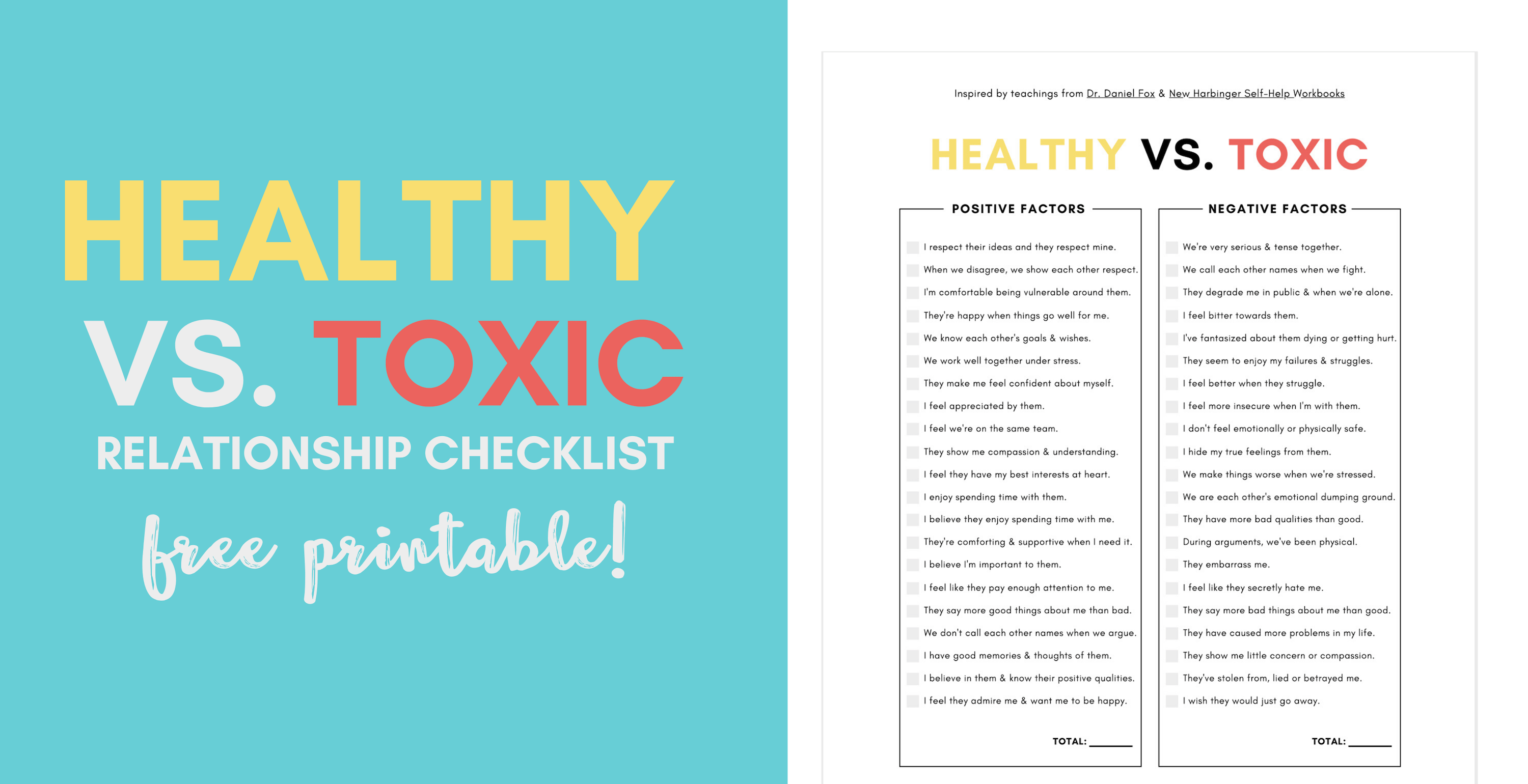
DOWNLOAD FREE PRINTABLE
BPD Resources
BPD in Fiction: Sadie’s Favorite by Sarah Rose is a Novel + Original Soundtrack that touches on BPD recovery and overcoming toxic “favorite person” (FP) relationships.
Join a Support Group: Study healthier coping skills with others. For people with BPD 18+ worldwide. Secure your spot! Join now.
Private Coaching: Get 1-on-1 support from someone with lived experience of BPD and remission by booking a call.
Manage your BPD symptoms with a printable workbook.
See our recommended list of books about BPD.
Start a Discussion
Have you tried DBT and didn’t see the results you were hoping for? Share your experience in the comments.
Pin This Post
Liked this post? Please help support BPD Beautiful and spread BPD awareness by pinning it on Pinterest.










Leave a Reply
You must be logged in to post a comment.