
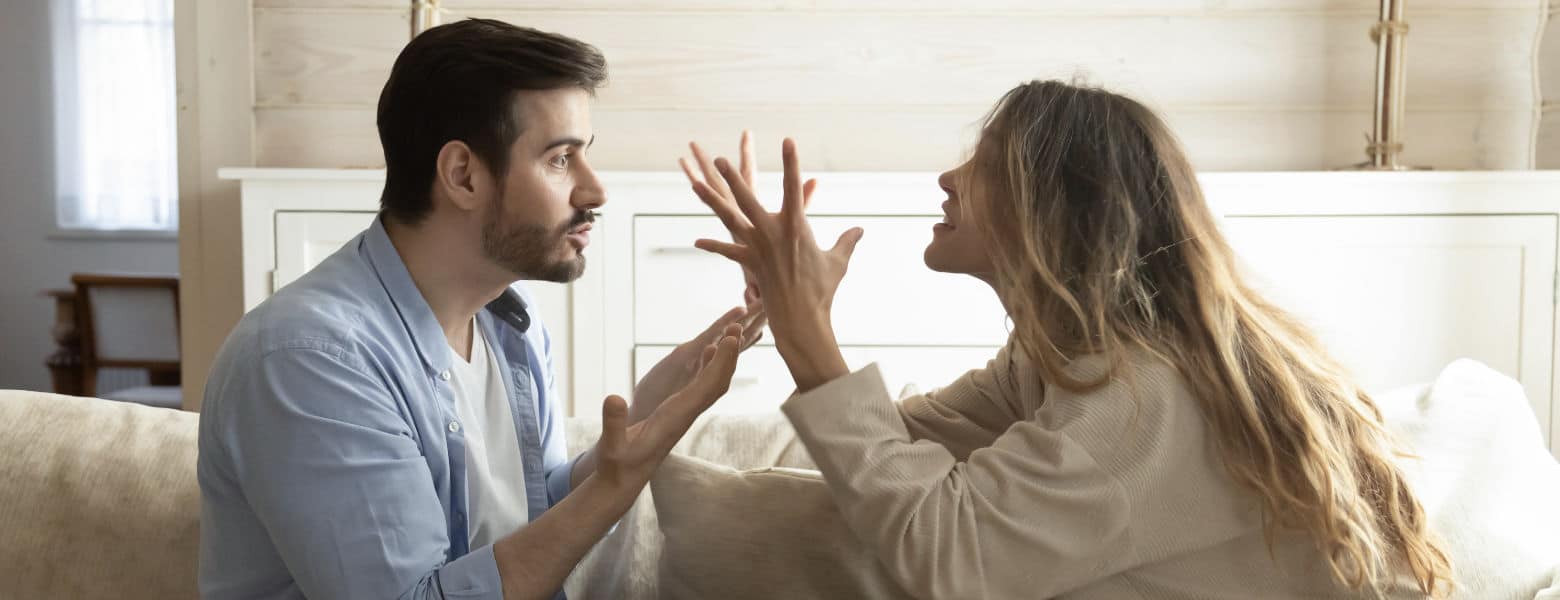
For a long time, I didn’t know what healthy love looked or felt like. I was trapped in a cycle of BPD and abuse. I knew the intensity of a typical “favorite person” relationship. I knew chaos and an unhealthy need for control—because back then, control over my “favorite person” was the only way I knew how to keep my BPD symptoms in check, not even knowing what boundaries were or why they were important.
After that relationship inevitably failed and I fell in love with a narcissistic abuser, I knew trauma bonds. I learned about the kind of relationship that pulled me in with Hollywood type passion but left me hollow and unraveling and worse off than before. That was when I thought love meant walking on eggshells and being the emotional caretaker. I had to make sure I didn’t ask for too much. Or show too much emotion. I had to make sure he was happy and comfortable and I wasn’t being unstable or “crazy.” So I could get breadcrumbs and convince myself it was a meal.
I thought that was just how love worked: you were either controlled, or controlling. You either loved each other and lacked boundaries, or you had boundaries and the love just wasn’t as genuine. There was no in-between.
But that’s not how love works. That’s not how love works at all.
Love Is Not Meant to Break You
Love isn’t supposed to silence you. It’s not supposed to control or belittle you. It’s not supposed to make you feel like you have to earn basic respect. It’s not supposed to leave you consistently triggered, afraid or apologizing for your very existence.
And if that’s all you’ve ever known—especially if you live with borderline personality disorder—you are not alone.
BPD and Abuse Statistics
People with BPD are far more likely to experience trauma and abuse than the general population. While society and the media often paints people with BPD as manipulative abusers, studies show something different:
- Over 80% of individuals with BPD have experienced childhood trauma or abuse (Zanarini et al., 2002).
- Adults with BPD are three times more likely to experience intimate partner violence than those without BPD (Kolla et al., 2016).
- Meanwhile, people with BPD are not significantly more likely to perpetrate abuse unless they are also in abusive, high-conflict, or triggering environments. (source)
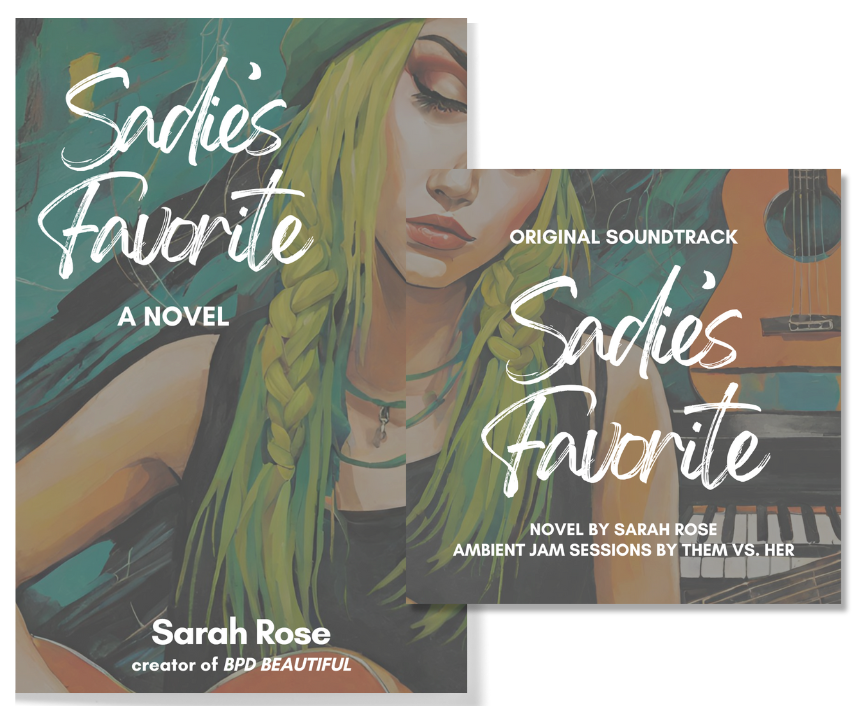
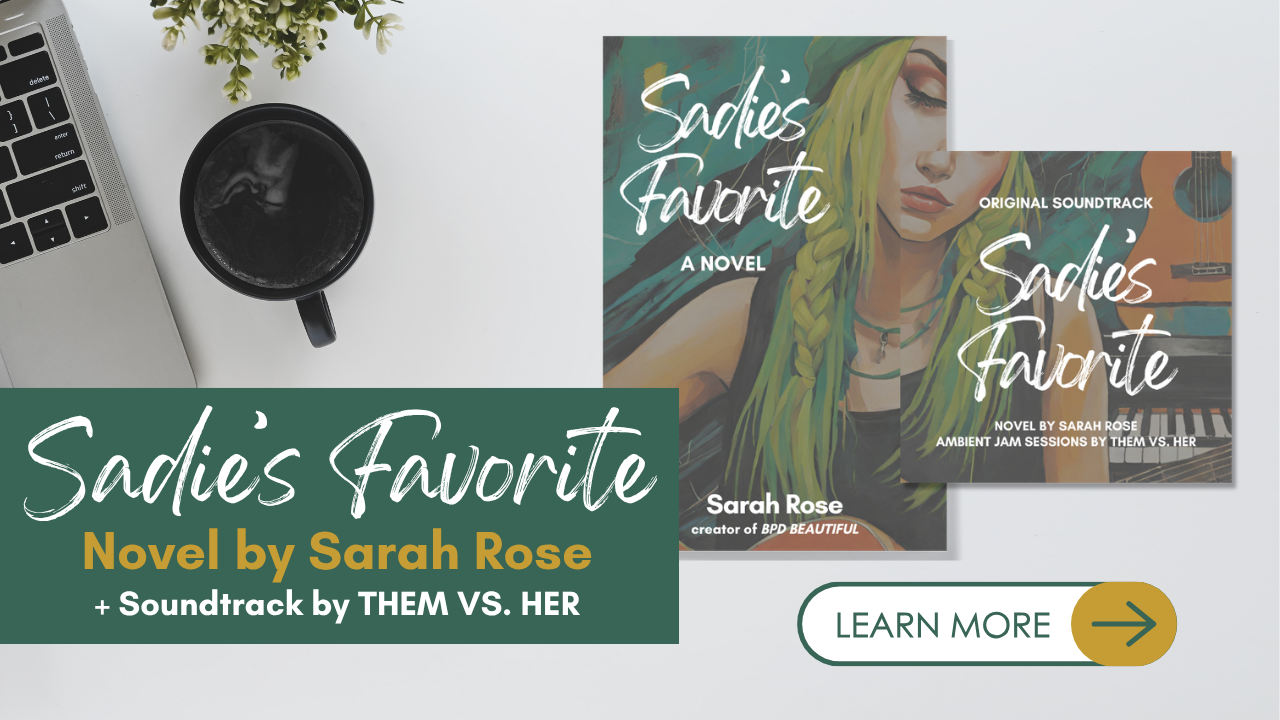
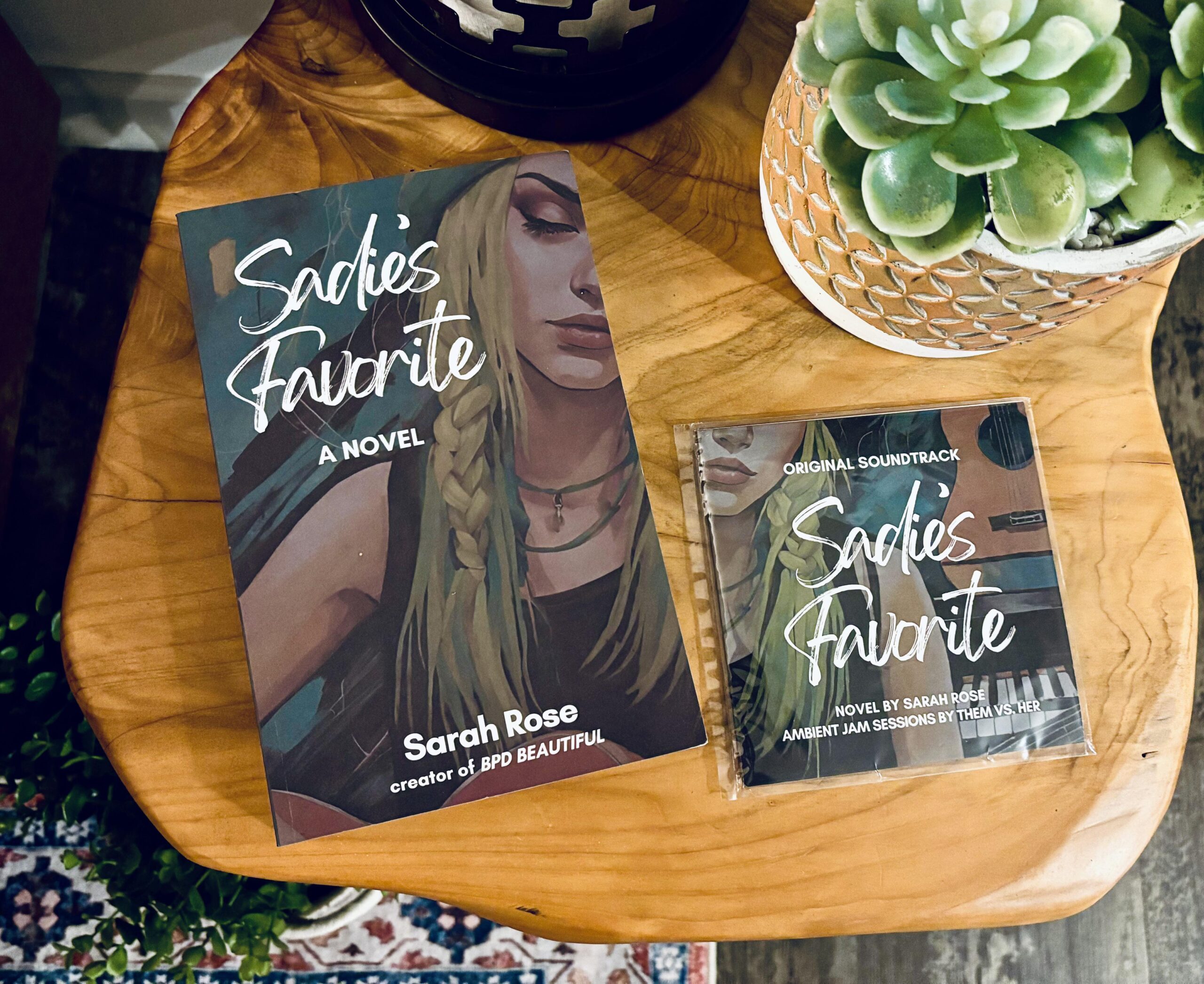
Sadie’s Favorite: A Novel + Original Soundtrack is a character-driven story about BPD recovery, trauma bonds and breaking away from abuse.
So what does this mean for BPD and Abuse?
People with BPD are often painted as the villain, but in reality, many of us are or have been abuse victims. Yes, BPD traits like emotional dysregulation, BPD splitting and rage can lead to abusive behavior (which is wrong and needs to be addressed). However, a lot of times, people with BPD are responding to invalidation, gaslighting, abandonment or trauma histories that have gone unacknowledged or haven’t been properly treated.
Signs You Might Be in an Abusive Relationship
If you’ve grown up in dysfunction, it can be hard to recognize what abuse actually looks like—especially when it’s masked as “love.” Here are signs to watch for:
Abusive or Toxic Relationships:
- You feel afraid to express your needs or emotions
- You’re constantly apologizing or trying to make peace
- Your partner denies your reality or uses your BPD diagnosis against you
- There are frequent threats of abandonment or control
- You feel like you’re walking on eggshells
- Your partner isolates you from others – outwardly or subtly (ie: constant excuses on why you can’t go, feigning social anxiety or sickness to get you to stay home, criticizing your friends or loved ones so you feel foolish for wanting to spend time with them, picking fights before you’re scheduled to leave, etc)
- You’re regularly blamed for their actions or moods
- There are cycles of extreme highs followed by intense conflict and devaluation
- You’re afraid of what will happen if you leave (without other signs, this could just be a typical BPD trigger)
Healthy, Attuned Relationships:
- Both partners feel safe calmly expressing their thoughts and feelings
- Disagreements are handled with respect, not fear
- Accountability goes both ways—there’s space for apology and repair
- Both partners are allowed to be their full selves and feel accepted by the other
- Overall the relationship feels calm, not chaotic
- Boundaries are respected, no means no
- There’s mutual trust, support and encouragement
- Your nervous system feels more regulated with them, so your BPD symptoms are generally easier to manage (this is more likely if you’re already in treatment. Whether you have an emotionally healthy and attuned partner or not, managing BPD symptoms without any treatment is much harder.)
Safety Plans for Relationships with BPD and Abuse
Whether the abuse is emotional, physical, financial, sexual or psychological—you deserve safety. Here’s a basic safety plan to help you begin navigating your exit. Please use the utmost caution if you decide to follow these steps. Leaving an abuser, even one who’s never been physical, can be dangerous:
- Document Everything (safely): Keep records of threats, incidents and patterns of control—preferably in a hidden cloud folder or device your partner doesn’t have access to.
- Secure Support: Confide in a trusted friend, family member or therapist. You don’t have to do this alone, and you shouldn’t.
- Save Cash: Whatever you can save is better than nothing. If your abuser tracks your accounts, make small withdrawals over time that can be easily explained without raising suspicion. Open a new account (if you have to) and store your savings in there. Alternatively, secure cash in a safe place your abuser won’t stumble upon.
- Gather Essentials Quietly: Collect important items like your ID, birth certificate, social security card and medication (if applicable).
- Know Where to Go: Have a list of emergency shelters, hotlines or friends’ homes you can go to in a crisis.
- Create a Safe Exit Strategy: If you live together, plan a time to move out when they won’t be home. Have someone with you as you leave. If you don’t have someone who can come, call the police and ask them to do a civil standby.
- Change Passwords and Devices: After leaving, update your important passwords, block them everywhere and consider changing your number. Don’t forget to stop sharing your location (to the abuser’s phone, SnapChat, etc), if necessary.
- Expect Emotional Whiplash: Leaving is hard and the most dangerous time for an abuse victim (be careful!). You will likely feel a mix of grief, guilt, anger, heartache and confusion. It’s very possible, if your abuser has a way to contact you, they will attempt to win you back with lovebombing. The emotions you might feel in response to that do not make the abuse okay. They just make you human. Stay strong and do not engage with the abuser.
Why It’s Important to Spend Time Single After Abuse
If you’re someone with BPD–the pull to find another relationship or favorite person (FP) after leaving can feel overwhelming, but rushing into another relationship before you’re ready often results in repeating old, unhealthy patterns and staying stuck in the cycle of abuse (just with a new abuser).
Spending time on your own gives you space to:
- Reconnect with your identity outside of a relationship (which is especially important for those with BPD, since we often struggle with shifting identities)
- Learn to self-validate and self-soothe
- Heal your nervous system from trauma
- Identify what your needs and boundaries really are
- Build the life you want before inviting someone else into it
People who attract emotionally healthy partners are people who are emotionally healthy themselves. If you get your mindset to a healthy place and learn to enjoy singlehood—you increase your chances of being in a healthy relationship in the future. Don’t rush the healing process!
Singlehood doesn’t have to equal loneliness. It can also equal liberation. It’s a time where you rediscover your voice and figure out who you are.
Honestly, I had some of my best life experiences in the years after leaving my abuser. I wasn’t looking for love and I certainly wasn’t on any dating apps. I just enjoyed time on my own, with my son or with my family & friends.
What If You Have BPD & Struggle with Possessiveness or Abusive Behaviors?
Even though people with BPD are statistically more likely to be victims of abuse, it does not mean we can’t also fall into toxic, unhealthy or downright abusive behavior patterns–especially if we’re not seeking treatment, utilizing healthy coping skills or managing our BPD triggers.
Full disclosure: I was the abuser in the relationships I had during high school and in my early 20’s (if you couldn’t already tell by my first paragraph). I didn’t set out to abuse anyone, and I certainly didn’t realize my behavior was abusive until years after the fact, but my behavior was still wrong and I needed to change. To do that, I had to take accountability, take treatment seriously, learn the importance of maintaining boundaries (my own & others) and consistently make an effort to manage my reactions to triggers using skills I learned in therapy.
If you’ve been controlling or possessive in relationships—it doesn’t mean you’re inherently abusive or beyond repair. It means you need tools and coping skills to help you better manage your BPD symptoms. Doing so could help you improve your relationships with others and show love in a more genuine, healthier way.
Therapy can be a helpful tool to learn better coping skills and improve your relationships, but the son of God – Jesus, is the only road to everlasting peace and fulfillment. If you feel Him calling you, please read BPD Beautiful creator Sarah Rose’s testimony and the testimony’s of others with BPD below.
(Read ‘How Jesus Turned My Pain Into Purpose & Helped Thousands of Others‘)
Ways to Show Love Instead of Control:
- Practice radical self-responsibility: remember it’s not your job to manage your partner’s emotions, nor is it their job to manage yours
- Practice acceptance: accepting your loving partner’s flaws & shortcomings is essential
- Be willing to face BPD triggers and work on symptoms with a therapist or other mental health professional
- Be willing to take control of your treatment by utilizing self help books, online resources &/or support groups outside of individual therapy
- Use DBT skills like “Wise Mind,” “Check the Facts,” and “STOP” whenever triggered
- Prioritize emotional regulation and taking time for yourself & outside friendships, family or personal hobbies
- Allow your partner to have time for themselves and their own hobbies
- Communicate your needs vulnerably, not defensively
- Reflect before reacting—journal, pause or pray
- Apologize when needed, and repair with action (do what you say, say what you mean)
Because gaslighting can cause you to question everything…
Ask Yourself if this is BPD and Abuse:
- Are my reactions primarily in response to invalidation, threats or accusations (by my partner)?
- Do I regularly feel like I have to “get big” in order to be heard or seen by my partner?
- Does my partner often twist the truth, punish me emotionally or threaten to leave?
- Am I being triggered and subsequently disregarded on a regular basis, almost as if my partner is weaponizing my diagnosis?
- Does my relationship seem to regularly exacerbate my BPD symptoms?
Be mindful of splitting when asking yourself the above last 2 questions—look for the gray, middle areas. If you’re triggered by your partner’s actions more often than not (or if your attempts to communicate how a certain behavior makes you feel aren’t acknowledged), it’s worth reflecting further on.
If the answer to any of the above questions is yes—then your behavior may be more of a reaction to abuse than just BPD. You might want to reflect on the healthiness of your relationship and extend yourself some compassion, not blame or shame.
You Deserve Love That Feels Safe
Several years after leaving my abuser, I opened my heart up to someone who truly saw me—my best friend of 11 years (& drummer), Anthony. He was someone who didn’t need me to shrink or perform or over-function. He was someone I knew had empathy, respect and compassion for others. Finally, I could fall apart without being punished. I could speak without being silenced. I could learn without shame. And I could love without fear. This is the healthiest relationship I’ve ever had and it wouldn’t have been possible if I stayed with my abuser, someone I once believed I couldn’t live without.
Healing is possible. Healthy love is real. You are not too broken to receive it. You are not too far gone to give it.
For Anyone Who’s Loved Through the Pain and Experienced BPD and Abuse
If this post resonated with you, you’ll find even deeper healing in Sadie’s Favorite—my new novel written specifically with the BPD recovery and abuse recovery communities in mind. The story follows a young woman with BPD navigating trauma bonds, abuse and emotional volatility. Every page is layered with themes of survival and self-discovery. It’s been described as “deeply validating” and “relatable.”
If you’ve ever felt broken by love, Sadie’s Favorite was written for you. You can learn more at sadiesfavorite.com
Discover empowering resources and authentic recovery stories at BPD Beautiful, offering practical tools and a compassionate community.
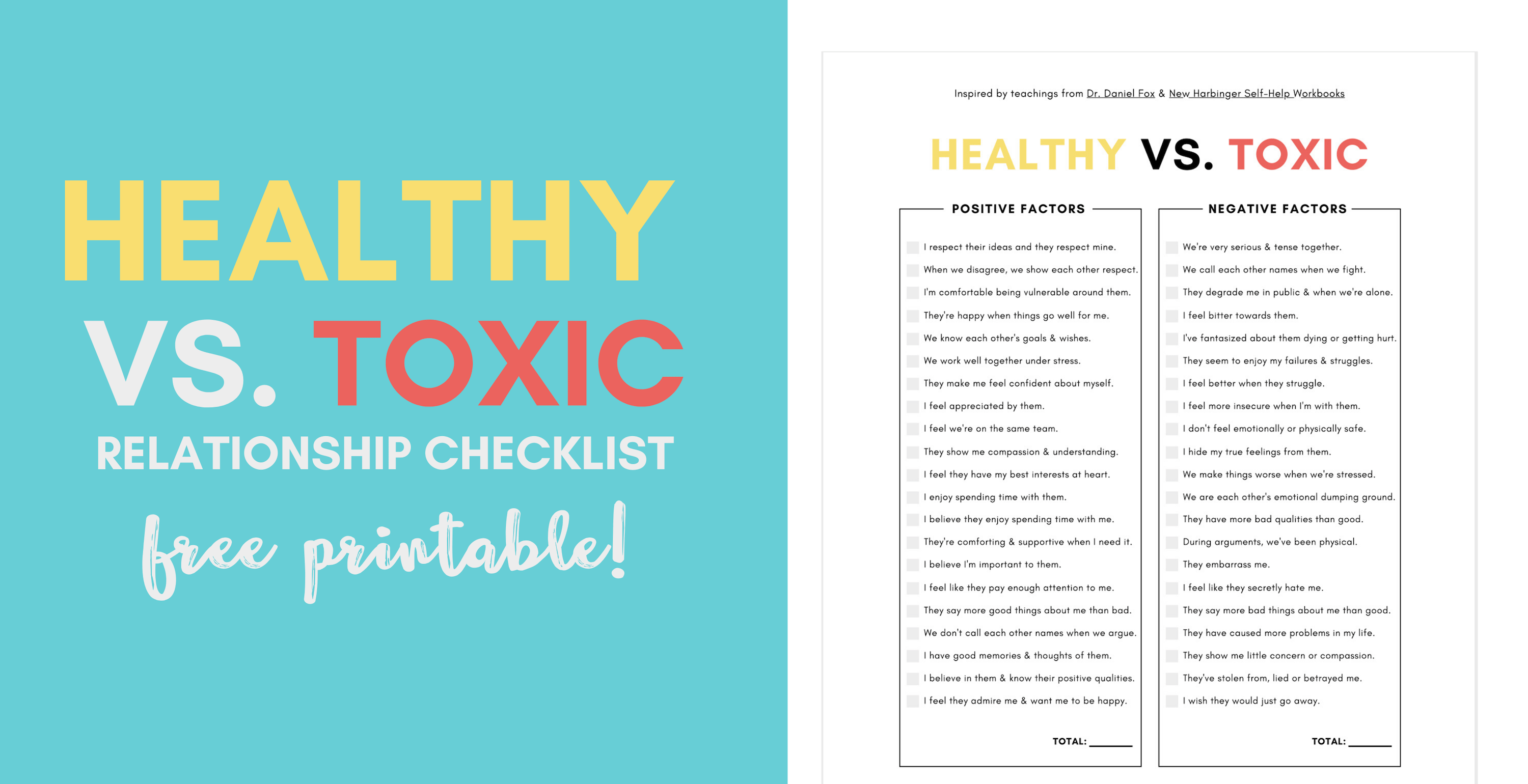
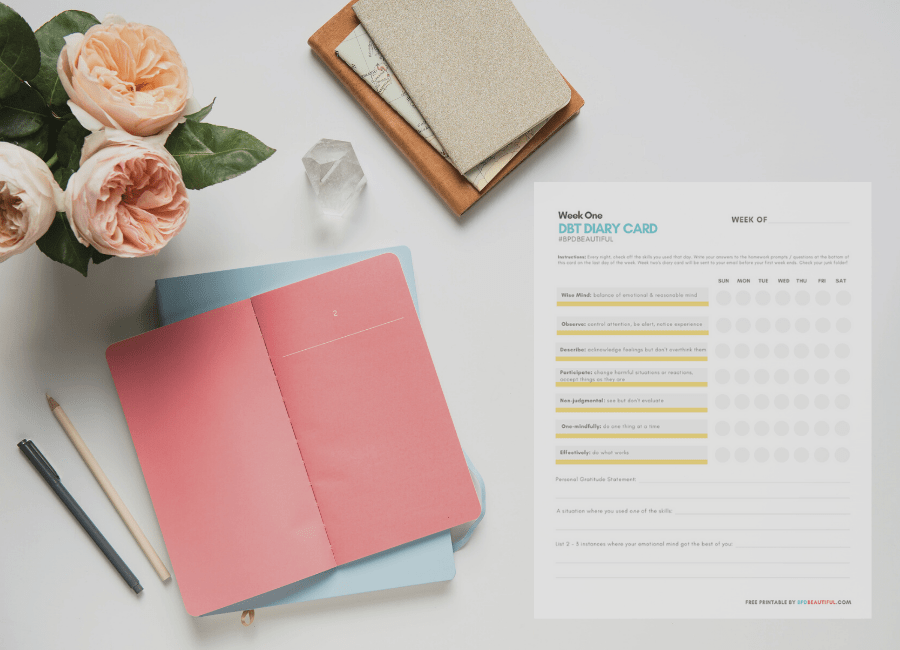
DOWNLOAD FREE PRINTABLE
BPD Resources
BPD in Fiction: Sadie’s Favorite by Sarah Rose is a Novel + Original Soundtrack that touches on BPD recovery and overcoming toxic “favorite person” (FP) relationships.
Join a Support Group: Study healthier coping skills with others. For people with BPD 18+ worldwide. Secure your spot! Join now.
Private Coaching: Get 1-on-1 support from someone with lived experience of BPD and remission by booking a call.
Manage your BPD symptoms with a printable workbook.
See our recommended list of books about BPD.
Start a Discussion
Have you tried incorporating these tips to help you in managing the intense emotions that come from having BPD &/or anxiety? Tell us about it in the comments.
Pin this Post
Liked this post? Please help support BPD Beautiful and spread borderline personality disorder awareness by pinning it to Pinterest.


Leave a Reply
You must be logged in to post a comment.