
This post is sponsored by Loosid
Living with BPD can be so intense. Emotions hit fast and hard. Relationships feel fragile. Fear of abandonment shows up even in stable situations. Stress sticks around longer than you want it to.
Alcohol and drugs often enter the picture as a way to quiet all of that.
You might drink after conflict to calm down, or use substances to escape emotional pain when things feel unbearable. For a while, the pressure lifts and your mind slows down. It feels like relief.
Then the relief fades. Anxiety creeps back in, regret shows up, relationships suffer, and the shame spiral starts again. You promise yourself things will change next time, but the next emotional hit arrives and the cycle repeats.
This pattern happens to many people living with BPD. Substance use becomes a survival tool, even when it creates new problems. Breaking that cycle rarely comes from willpower alone. It comes from connection, support, and people who understand what recovery actually looks like.
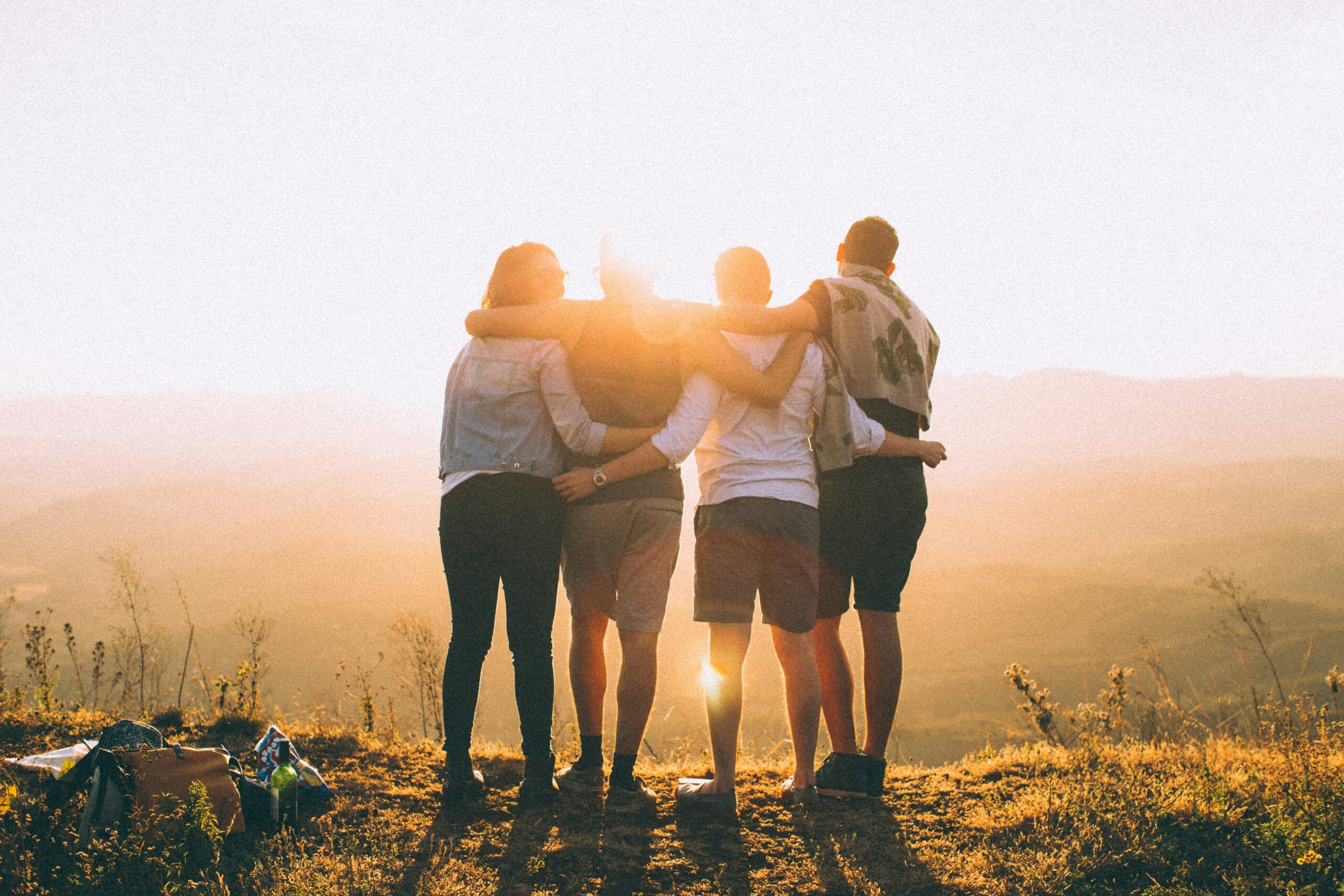
Recovery becomes easier when you stop trying to carry everything alone.
Why BPD and Substance Use Become So Connected
BPD makes emotional regulation harder, so feelings rarely show up quietly. Anger spikes. Sadness overwhelms. Emptiness lingers longer than expected. Fear of rejection can feel urgent even in stable situations, and relationships can swing between closeness and conflict before you fully understand what happened.
Substances seem to help in the moment. Alcohol slows things down. Drugs create distance from emotional pain. For a few hours, everything feels quieter.
But substances also lower impulse control and intensify emotional swings. Sleep worsens. Anxiety increases. Arguments escalate. Decisions you regret become more common. Soon the thing you leaned on for relief starts making life harder.
Relationships break down, loneliness grows, and loneliness pushes you back toward substances. The loop tightens. Escaping it feels exhausting.
That’s where community matters.
Isolation Makes Recovery Harder
Addiction thrives in isolation, and BPD already makes relationships complicated. Choosing sobriety can shrink your social world even more because so many social spaces revolve around drinking.
Birthday parties, work events, dates, weekend hangouts. Alcohol often sits at the center.
Choosing not to drink sometimes feels like stepping outside social life entirely. Friends might not understand. Invitations slow down. Nights get quieter. Loneliness creeps in, and old coping habits start looking tempting again.
Connection interrupts that pattern.
You need people who understand recovery and friendships that don’t depend on drinking. Spaces where sobriety feels normal instead of isolating. Conversations where you don’t have to explain yourself.
Belonging changes everything.
Community Helps Stabilize Emotional Highs and Lows
Support doesn’t erase emotional intensity, but it makes those moments easier to survive. Instead of spiraling alone, you have people to reach out to before things explode. Someone answers a message. Someone reminds you that today’s crisis will pass. Someone understands cravings and hard days.
That support helps you pause instead of react. It helps you make better choices. It reminds you that setbacks don’t erase progress.
Recovery slowly shifts from constantly fighting temptation to building a life that actually feels worth protecting.
And today, community isn’t limited to where you live. Online sober spaces connect people across cities and time zones, which means support is often available right when emotions spike, even late at night when everything feels heavier.
One place this support matters more than people expect is dating.
Dating Without Alcohol Feels Different
Dating already feels emotionally intense when you live with BPD. Fear of rejection and attachment anxiety can make new relationships stressful before they even begin.
Alcohol often smooths over nerves on dates. It fills awkward pauses and lowers social anxiety, so removing it can feel uncomfortable at first.
But sober dating creates clarity.
You show up as yourself. Conversations stay real. You remember how the night actually felt instead of replaying hazy memories the next morning. Connections build on honesty instead of intoxication.
Sober dating communities also remove pressure to drink because everyone enters with similar priorities. Platforms like Loosid connect people who value sober living and want relationships that support recovery, not sabotage it.
Meeting people who respect your sobriety removes a huge source of stress and helps relationships grow on healthier ground.
Sobriety Apps Offer Support Between Hard Moments
Recovery doesn’t happen only in therapy or support meetings. It happens in quiet moments when cravings hit, after difficult conversations, or during lonely evenings when old habits try to pull you back.
Sober apps help during those in-between moments. They let you track progress, connect with others, read recovery stories, or simply remind yourself why you started. Support becomes available right in your pocket when motivation dips or emotions spike.
Loosid’s sobriety app, for example, focuses on connection and lifestyle support, helping people build social lives that reinforce recovery instead of threaten it.
Sometimes just seeing others walking the same path helps you stay on yours.
You Deserve Support, Not Shame
Shame often follows both BPD and addiction. Emotional reactions feel embarrassing. Relationship struggles feel personal. Relapse feels like failure.
But recovery grows through support, not shame.
You deserve patience while learning healthier ways to cope. You deserve people who understand emotional intensity. You deserve relationships built on honesty and stability.
Healing takes time. Some days feel strong. Others feel fragile. Progress sometimes feels invisible.
Keep going anyway.
Keep reaching for connection. Keep building community. Let people support you while you learn new ways forward.
Recovery becomes real when you stop carrying everything alone.
And you don’t have to carry it alone anymore.
BPD Resources
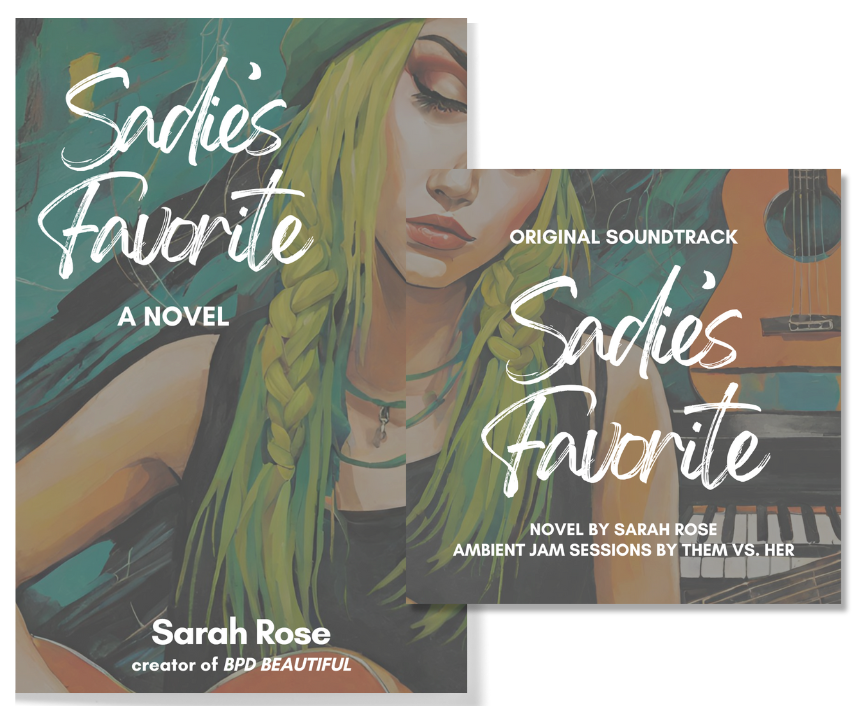
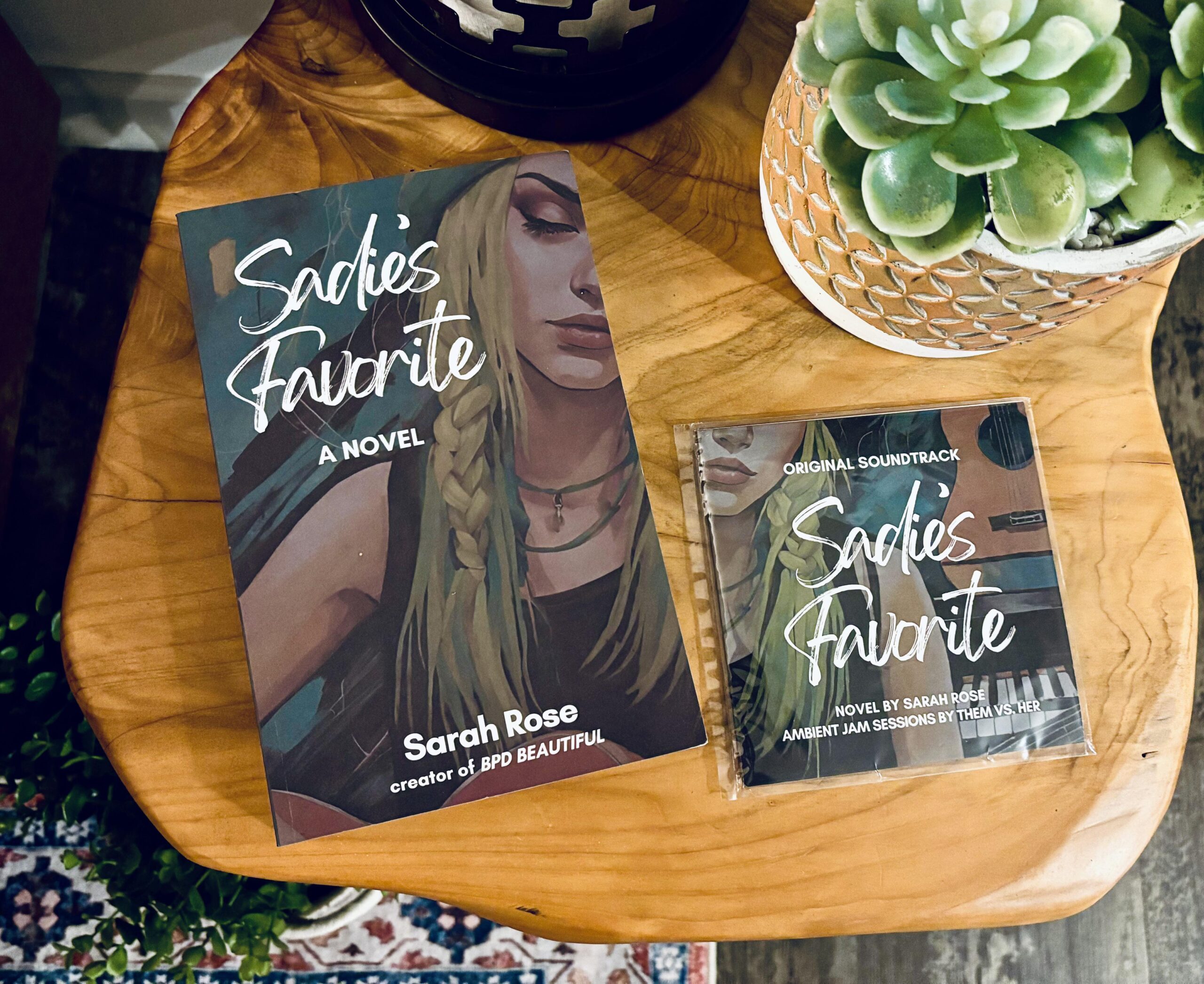
BPD in Fiction: Sadie’s Favorite by Sarah Rose is a Novel + Original Soundtrack that touches on BPD recovery and overcoming toxic “favorite person” (FP) relationships.
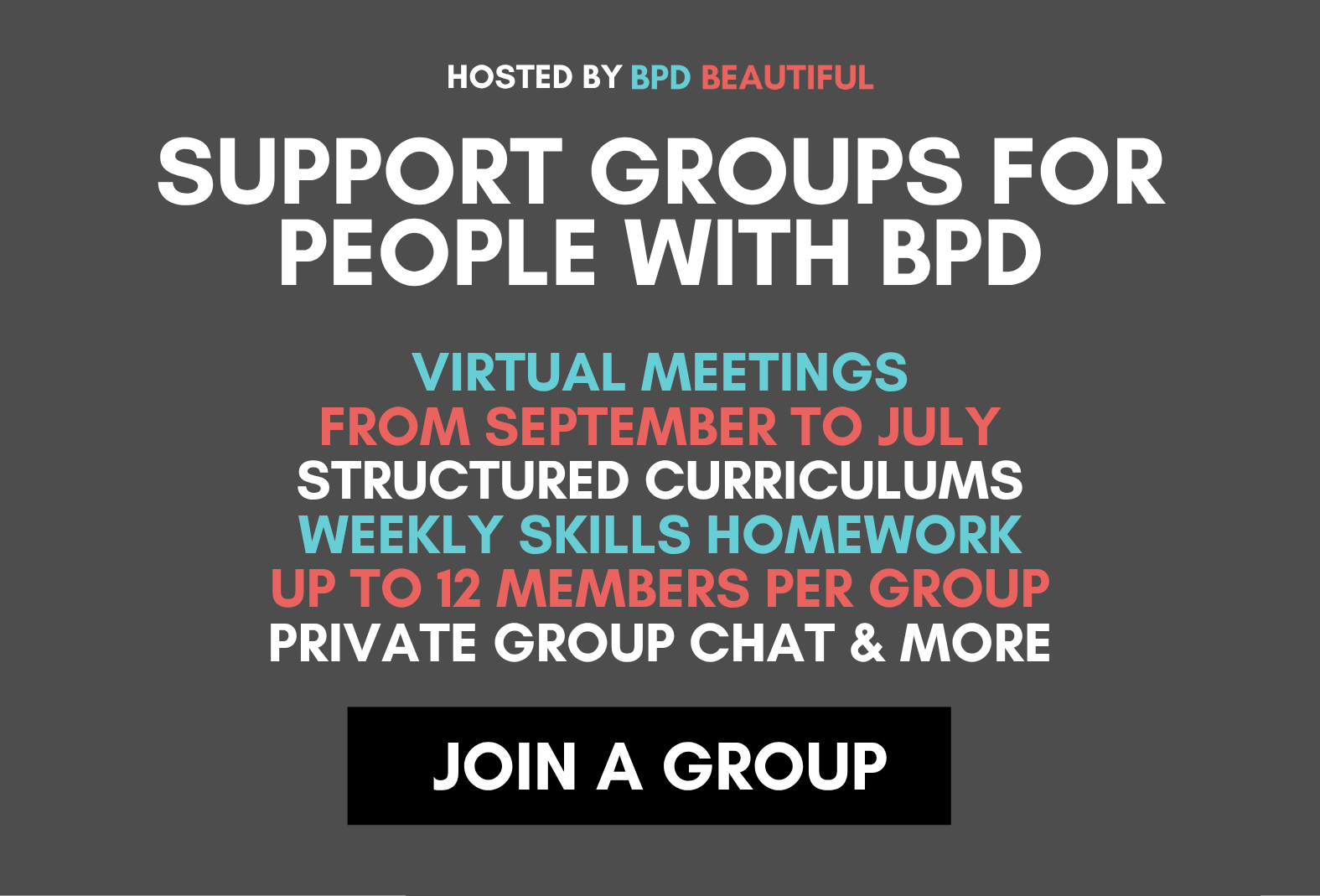
Join a Support Group: Study healthier coping skills with others. For people with BPD 18+ worldwide. Secure your spot! Join now.
Private Coaching: Get 1-on-1 support from someone with lived experience of BPD and remission by booking a call.
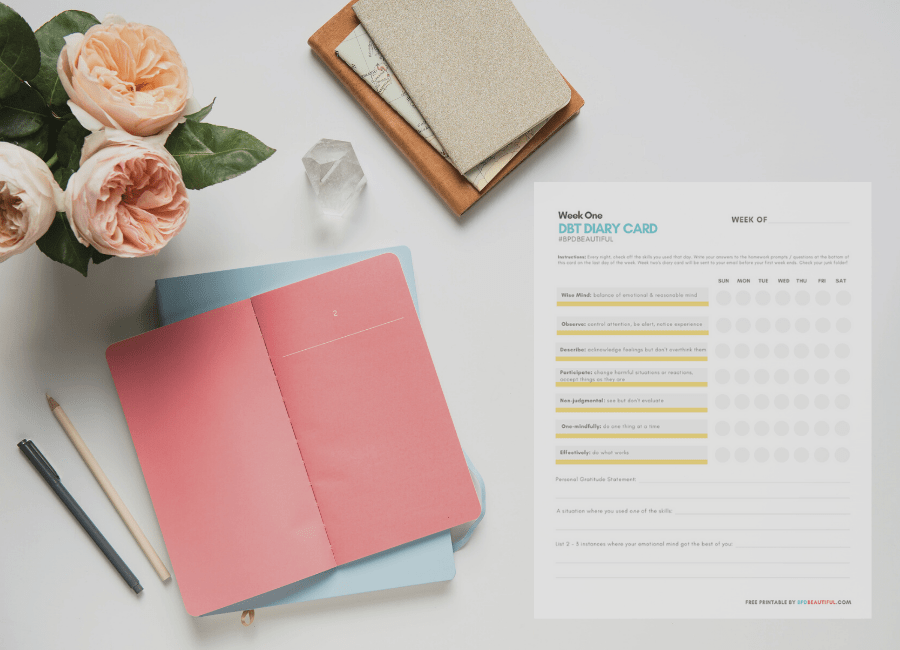
Manage your BPD symptoms with a printable workbook.
See our recommended list of books about BPD.
Start a Discussion
Share your experience with BPD & addiction in the comments. We’d love to hear from you!
Pin This Post
Liked this post? Please help support BPD Beautiful and spread BPD awareness by pinning it on Pinterest.


Leave a Reply
You must be logged in to post a comment.