
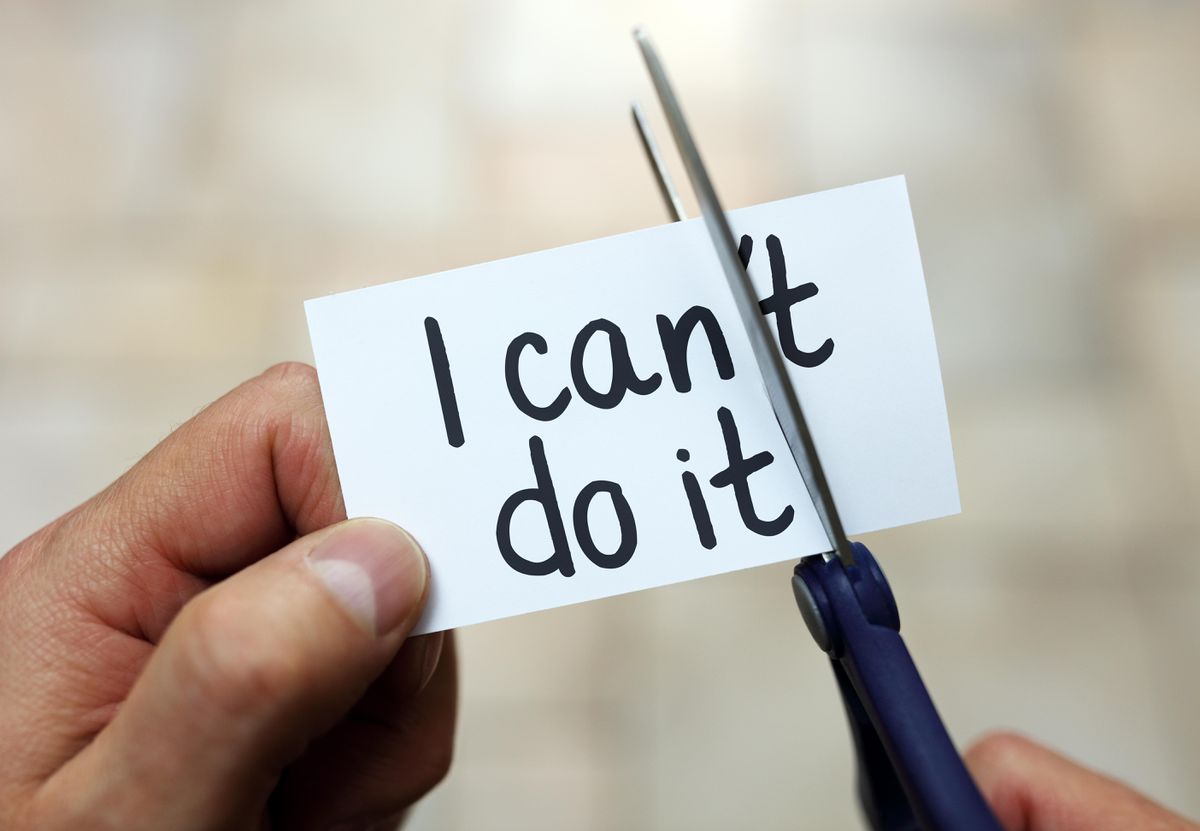
Confidence and BPD do not always go hand in hand. But confidence isn’t a fixed trait; it’s a learned practice. It grows as you take small, consistent steps toward your goals and honor the promises you make to yourself. Living your best life starts when you stop waiting for motivation and start creating momentum.
The Quick Take
Confidence is built through repetition and results. Each small win reinforces trust in yourself, creating a loop of progress. When paired with clarity, healthy habits, and compassion, that trust evolves into lasting confidence.
The Psychology Behind Confidence
Confidence comes from evidence — not luck. When you collect proof that you can handle challenges, your brain starts to believe it. Studies show that repeated exposure to small challenges increases resilience and reduces fear-based decision-making.
Rather than aiming for perfection, focus on self-trust. Confident people aren’t fearless; they’ve simply learned that courage often comes after the first step, not before it.
Building Confidence Through Structure
Let’s make this practical. Below is a table showing how certain actions translate into emotional and long-term confidence gains:
| Habit | Immediate Impact | Long-Term Benefit |
| Completing a small daily goal | Sense of control | Builds consistency |
| Journaling or reflection | Mental clarity | Recognizes growth patterns |
| Setting boundaries | Reduced stress | Stronger self-respect |
| Exercising regularly | Improved energy | Emotional resilience |
| Positive self-talk | Better focus | Higher self-worth |
When you combine structure with intent, confidence becomes a system rather than a feeling. You can explore more about forming good systems for personal growth in this habits guide, which explains why “atomic” improvements lead to exponential change.
Step-by-Step Confidence Checklist
- Clarify Your Purpose. Write down what living your “best life” means to you. Is it freedom, health, creativity, or connection?
- Audit Your Self-Talk. Replace thoughts like “I can’t” with “I’m learning to…” — a small linguistic shift that encourages patience and persistence.
- Set Micro Goals. Break large aspirations into small, winnable tasks. Check out SMART goal-setting techniques for a simple structure.
- Practice Self-Compassion. Don’t punish setbacks — learn from them. Resilience grows fastest when paired with self-kindness.
- Track Wins Daily. A five-minute review at night reinforces accountability and gratitude.
- Surround Yourself With Support. Confidence is contagious — spend time around positive, goal-oriented people.
- Repeat. Routine builds trust faster than intensity ever will.
Learning = Confidence
Confidence expands with knowledge. If you’ve been considering a career pivot or personal growth challenge, investing in education can reignite your motivation. Going back to school allows you to develop new skills, improve your job prospects, and reconnect with a sense of purpose. Online programs make this process accessible, particularly available healthcare administration degrees, which prepare you to lead in roles that directly improve the health and well-being of others. Pursuing an online degree also helps you balance learning with life’s responsibilities, reinforcing confidence through meaningful progress.
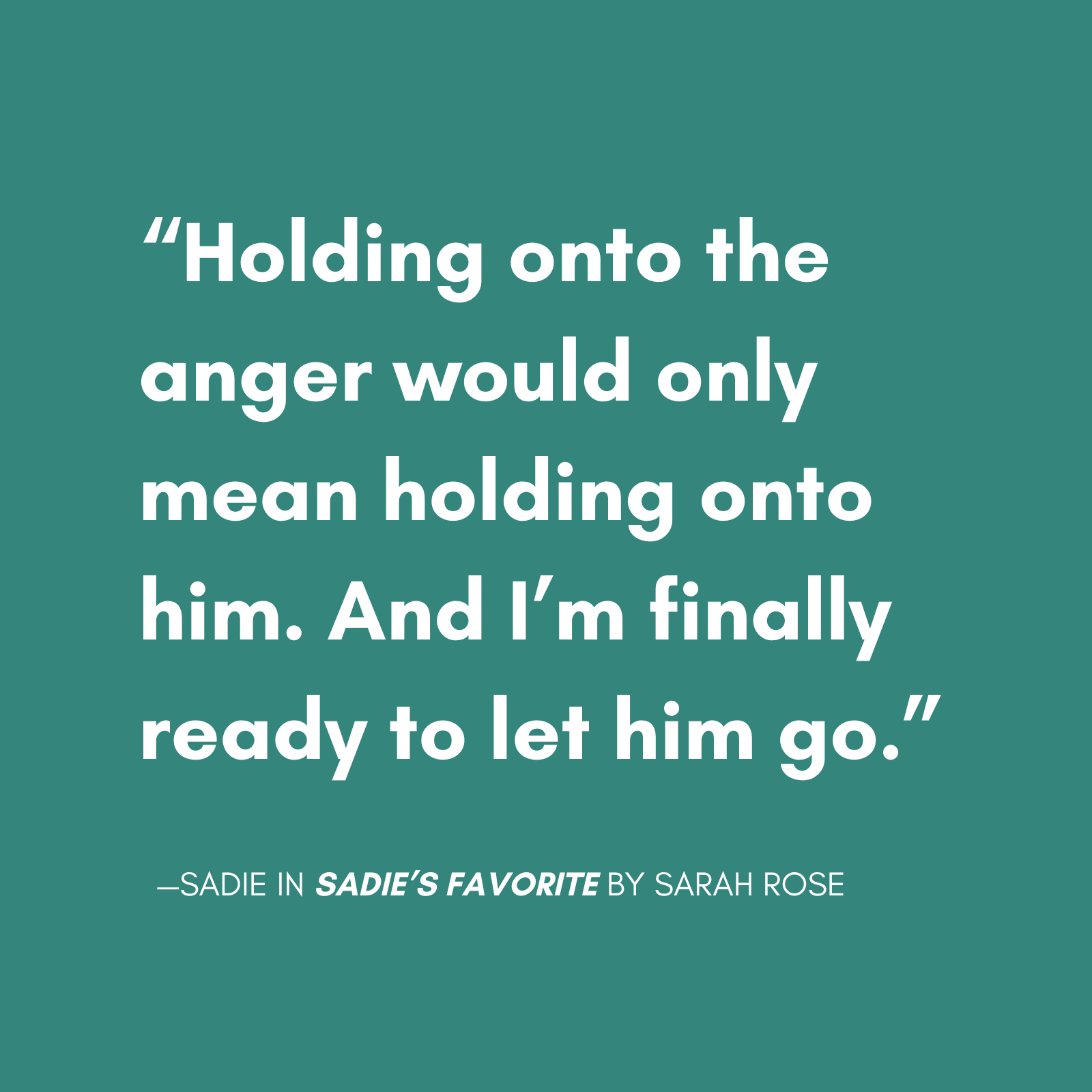


Sadie’s Favorite: A Novel + Original Soundtrack is a character-driven story about BPD recovery, trauma bonds and breaking away from abuse.
Productivity Meets Self-Belief
Confidence thrives on clarity — and few tools are more effective than structured planning. Productivity experts emphasize that scheduling your goals visually can increase follow-through by up to 42%. Whether you prefer digital trackers or physical notebooks, seeing your progress creates tangible proof of momentum. For those who love mindfulness alongside productivity, explore Mindful.org’s beginner meditation guide to balance achievement with inner calm.
Quick Myths About Confidence and BPD
Myth 1: You need to be fearless to be confident.
Reality: Courage is acting with fear, not without it.
Myth 2: Confidence means being loud or extroverted.
Reality: Quiet confidence — calm, focused, authentic — is just as strong.
Myth 3: Confidence arrives after success.
Reality: It starts before — success is the byproduct.
Myth 4: Some people just “have it.”
Reality: Confidence is learned through repetition and reflection.
FAQs
How long does it take to build confidence?
With consistent effort, noticeable improvement often happens within a few weeks — full transformation takes patience and continued self-validation.
What if I fail along the way?
Failure is information, not identity. Learn from it, adapt, and move forward.
Can mindfulness help?
Yes — mindfulness enhances emotional regulation and reduces overthinking, a key obstacle to confidence. You can read more in this Harvard Business Review feature on imposter syndrome.
Is going back to school too late?
Never. Education at any age builds capability, clarity, and connection.
Confidence isn’t about eliminating doubt — it’s about acting through it. Each time you make a decision aligned with your values, you reinforce your self-worth. By combining education, reflection, and actionable systems, you transform confidence from a fleeting feeling into a dependable skill. Small steps lead to extraordinary outcomes — and living your best life is simply the ongoing act of believing you deserve it.
Find authentic and practical content at BPD Beautiful, where warriors, survivors, and advocates unite to support your journey with BPD.
Discover empowering resources and authentic recovery stories at BPD Beautiful, offering practical tools and a compassionate community.
BPD Resources
BPD in Fiction: Sadie’s Favorite by Sarah Rose is a Novel + Original Soundtrack that touches on BPD recovery and overcoming toxic “favorite person” (FP) relationships.
Join a Support Group: Study healthier coping skills with others. For people with BPD 18+ worldwide. Secure your spot! Join now.
Private Coaching: Get 1-on-1 support from someone with lived experience of BPD and remission by booking a call.
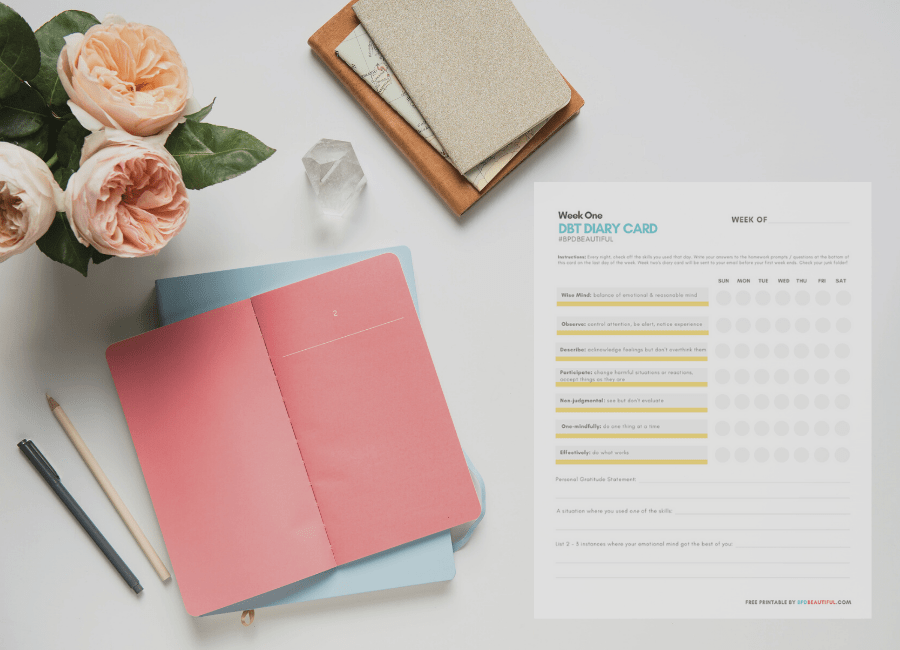
Manage your BPD symptoms with a printable workbook.
See our recommended list of books about BPD.
Start a Discussion
Have you tried incorporating these tips to help you in managing the intense emotions that come from having BPD &/or anxiety? Tell us about it in the comments.
Pin this Post
Liked this post? Please help support BPD Beautiful and spread borderline personality disorder awareness by pinning it to Pinterest.






Leave a Reply
You must be logged in to post a comment.