

Living with—or loving—someone who has Borderline Personality Disorder (BPD) can feel disorienting. One moment, the connection feels deep and secure; the next, you’re met with distance, distrust, or sudden hostility. It can leave you questioning what changed, or whether you did something wrong. This abrupt shift is called splitting, and it’s one of the core features of BPD.
If you’re here, you’re probably asking a hard but honest question:
“What do I do when my partner with BPD is splitting on me?”
You’re not imagining things—and you’re not alone in this. More importantly, you’re not helpless. This guide will walk you through what borderline splitting actually is, how it shows up in relationships, why it happens, and how to respond in ways that protect both the relationship and your own emotional well-being.
What Is Borderline Splitting?
Splitting is a psychological defense mechanism tied to black-and-white (or “all-or-nothing”) thinking. Under emotional stress, many people with BPD have difficulty holding two opposing truths at the same time—such as “this person hurt me” and “this person still cares about me.” When that capacity collapses, the nervous system looks for certainty.
(Read ‘What a Devaluing Split Looks Like for Borderline Personality Disorder‘)
In those moments, a partner—often a “favorite person”—may be experienced as either completely safe or completely unsafe, with little room in between. This isn’t manipulation or a calculated choice. It’s an unconscious attempt to regulate overwhelming emotion and protect against perceived abandonment or threat.
(Read ‘What Happens During a BPD Episode: Everything You Need to Know’)
BPD Splitting Meaning, Broken Down Simply:
One moment – “You’re the only one who truly understands me.”
The next – “You’re just like everyone else. I can’t trust you.”
It’s not about you. It’s about the way emotional dysregulation warps perception during a BPD splitting episode.
Looking for Characters with BPD? The novel + original soundtrack Sadie’s Favorite by Sarah Rose explores BPD recovery and abusive “FP” relationships. Read First 6 Chapters.
What Does Borderline Splitting Look Like in Relationships?
When splitting occurs, especially with a romantic partner (often a favorite person, but not always), the fallout can feel intense and deeply personal. Here are a few splitting BPD examples in real-world relationships:
Common Signs of BPD Splitting:
- Accusations of betrayal or abandonment after a small miscommunication
- Rewriting past events to fit the “villain” narrative
- Emotional withdrawal or stonewalling (in “quiet BPD splitting”)
- Extreme mood swings from affection to hostility
- Sudden breakup threats or declarations of worthlessness
- Rigid statements like “You never cared” or “You always do this”
These shifts can happen in minutes or over hours/days, and the intensity doesn’t always match the trigger. That’s because splitting isn’t logical—it’s emotional survival mode.
Quiet BPD Splitting: When It’s Silent But Devastating
Not all splitting is loud or obvious. In cases of quiet BPD, the person may internalize their distress. Instead of lashing out, they might:
- Pull away without explanation
- Mentally demonize you while acting “fine” on the surface
- Completely shut down emotionally
- Begin idealizing someone else silently
Quiet BPD splitting is often missed because it looks like withdrawal, but inside the person is experiencing extreme black-and-white thinking and emotional turmoil.
Why Does Borderline Splitting Happen?
Splitting is the BPD brain’s attempt to protect itself from perceived abandonment, rejection, or shame. It’s a defense that typically takes shape early in life, often in environments where care was inconsistent, unpredictable, or emotionally invalidating.
When a trigger hits—such as a disagreement, perceived criticism, or feeling emotionally exposed—the nervous system can move into threat mode. To avoid the intense grief or vulnerability that comes with feeling hurt by someone they depend on, the mind may flip the narrative: the partner becomes “all bad,” unsafe, or untrustworthy.
At its core, splitting is about self-protection, not sabotage. But understanding why it happens doesn’t erase the reality of how painful and destabilizing it can be for the person on the receiving end.


Sadie’s Favorite: A Novel + Original Soundtrack is a character-driven story about BPD recovery, trauma bonds and breaking away from abuse.
How Long Does BPD Splitting Last?
Splitting episodes don’t follow a set timeline. They can last minutes, hours, days, or—at times—longer, depending on the intensity of the trigger, the person’s level of insight, and whether they have support or coping tools available afterward.
When someone has skills—such as those learned in DBT—they may be able to regain emotional balance more quickly. When they’re emotionally flooded, unsupported, or untreated, the nervous system can stay stuck in threat mode for longer.
Some signs the episode may be resolving include:
- A noticeable shift from certainty to doubt about what they felt or said
- Expressions of guilt or remorse
- Attempts to reconnect, such as reaching out, apologizing, or seeking closeness
- Emotional softness returning, along with a willingness to revisit or revise earlier judgments
What to Do When Your Partner with BPD Is Splitting on You
This is the hardest part for most people: how do you stay grounded and protect yourself without escalating the situation—or abandoning your partner when they’re already in distress? Supporting someone through a borderline splitting episode doesn’t mean absorbing the fallout or erasing your own needs. It means responding in ways that reduce harm, preserve your sense of self, and keep the door open for repair when the episode passes.
1. Don’t Take It Personally—Even When It Feels Personal
During a splitting episode, what you’re hearing is a distorted perception—not a reliable assessment of your character or intentions. Your partner’s nervous system is dysregulated, and their interpretation of events has shifted accordingly. Meeting that distortion with defensiveness, over-explaining, or self-justification usually intensifies the spiral.
Instead, anchor yourself in what you know to be true. Pause. Breathe. Remind yourself: This reaction is coming from emotional overwhelm, not from an accurate reading of who I am. Holding onto that clarity can help you respond calmly without absorbing the impact as fact.
2. Validate Feelings Without Agreeing to Distortions
Validation doesn’t mean you agree with the story your partner is telling—it means you’re acknowledging the emotional experience underneath it. When someone with BPD is splitting, being told they’re “wrong” often lands as further rejection and escalates the distress.
Helpful responses might sound like:
- “I can see how much this hurt you.”
- “It makes sense that you’re feeling overwhelmed right now.”
- “I hear that you’re feeling abandoned.”
What tends to make things worse:
- “You’re being dramatic.”
- “That’s not true—I never said that.”
- “You’re overreacting.”
You’re not required to reinforce a distorted narrative in order to be compassionate. But you can stay grounded in reality while still validating the pain that’s driving the reaction.
3. Pause the Conversation If It Gets Too Volatile
If things are escalating:
- Step away respectfully: “I want to talk about this, but I think we both need to cool down first.”
- Use DBT skills like DEAR MAN or STOP to set boundaries without fueling the fire.
- Take a walk, splash cold water on your face (part of the DBT “TIP” skill), or journal.
It’s okay to press pause—especially if staying in the moment means saying things you’ll regret.
4. Avoid Trying to “Prove” Your Love
During a splitting episode, your partner may insist that you’ve never cared, that you always hurt them, or that the relationship has been a lie. When that happens, the instinct to defend yourself or prove your love can be intense—but it usually backfires. Over-explaining, pleading, or listing evidence often fuels the dysregulation rather than soothing it.
Instead of trying to convince, focus on consistent presence—without abandoning yourself. That might sound like:
- “I can see that you’re hurting. I’m still here.”
- “I love you, even when things feel this hard.”
- “We can talk when you’re ready. I’m not leaving.”
These responses offer reassurance without chasing approval or reinforcing the idea that love has to be proven under pressure.
5. Use Grounding & Regulation Skills for Yourself, Too
Splitting can trigger your own trauma responses, especially if you have a history of walking on eggshells. Regulate yourself before you respond.
Try:
- DBT skill: Half-smile & Willing Hands to stay calm under tension
- Breathing exercises or 5-4-3-2-1 grounding
- Repeating affirmations: “I am safe. I can stay grounded. I can hold space without taking on blame.”

6. Learn About Your Partner’s Triggers Together
You can’t prevent every trigger, and it isn’t your job to walk on eggshells. But shared awareness goes a long way. When things are calm, invite collaborative conversations about what helps before a split takes over.
That might sound like:
- “What helps you most when you feel hurt by me?”
- “Is there a signal or word we could use when you feel a split coming on?”
- “Would it help if we paused disagreements to check in emotionally first?”
Approaching triggers with curiosity rather than blame builds safety. The goal isn’t perfection—it’s reducing shame, increasing predictability, and creating room for repair.
Looking for Characters with BPD? The novel + original soundtrack Sadie’s Favorite by Sarah Rose explores BPD recovery and abusive “FP” relationships. Read First 6 Chapters.
7. Encourage Therapy & DBT Work (But Don’t Force It)
If your partner isn’t in treatment, it’s okay to raise the idea—gently and respectfully. Framing support as something they deserve, rather than something they’re failing at, makes it more likely to land.
That might sound like:
- “You deserve to feel more stable than this. Would you want help finding someone to talk to?”
- “I’ve read that DBT can really help with emotional overwhelm. Would you want to explore that together?”
If your partner is already in therapy, support the work they’re doing—but don’t step into the role of therapist, coach, or regulator. Healing requires professional support and personal responsibility. You can be a partner without becoming the treatment plan.
8. Create a Safety Plan for Yourself
Supporting someone with BPD doesn’t mean sacrificing your mental health. Have a system in place:
- A trusted friend you can vent to
- A journal for release
- Clear emotional boundaries: “I love you, but I won’t tolerate being called names.”
9. Understand the Role of the “Favorite Person”
In BPD, the favorite person (FP) dynamic can feel intense. You might find yourself carrying more emotional weight than feels safe—or being positioned as the one person who can “make or break” their stability.
That isn’t your responsibility. Being supportive is important and meaningful, but you are not their lifeline. Encourage them to develop other sources of support, practice self-soothing, and build independence. Healthy relationships involve care without placing one person in a role of total emotional responsibility.
(Read ‘Guide to BPD Favorite Person‘)
Final Thoughts: Love & Limits Can Coexist
Loving someone with BPD doesn’t mean accepting harmful behavior or erasing your own needs. It means recognizing the pain driving their patterns while staying firmly connected to your own emotional safety.
Splitting can be intense and confusing—but it isn’t hopeless. With awareness, clear boundaries, practical tools, and support (for both partners), couples can navigate these episodes more safely and build relationships that are emotionally honest, resilient, and grounded in mutual care.
BPD Resources
BPD in Fiction: Sadie’s Favorite by Sarah Rose is a Novel + Original Soundtrack that touches on BPD recovery and overcoming toxic “favorite person” (FP) relationships.
Join a Support Group: Study healthier coping skills with others. For people with BPD 18+ worldwide. Secure your spot! Join now.
Private Coaching: Get 1-on-1 support from someone with lived experience of BPD and remission by booking a call.
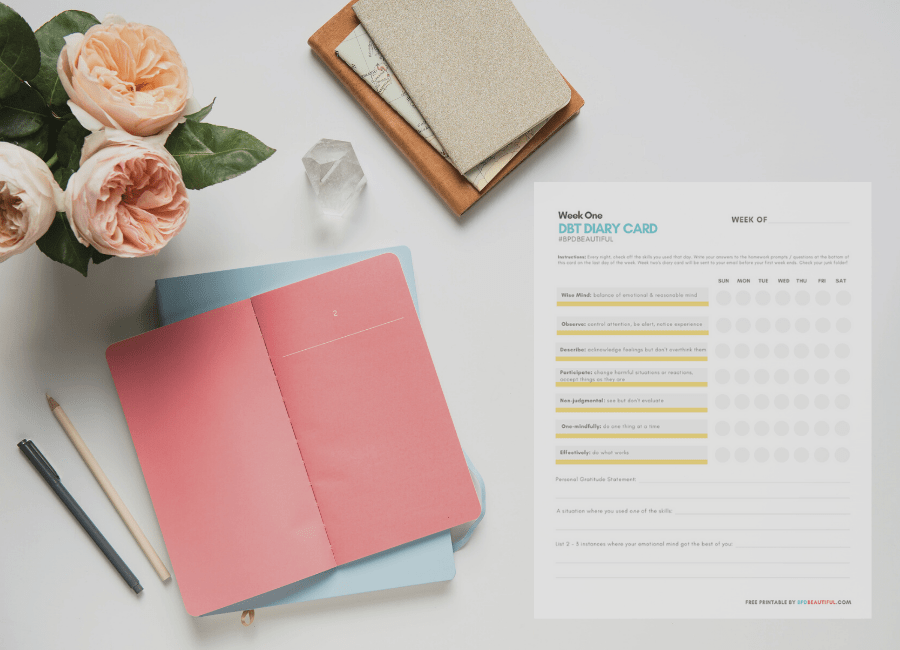
Manage your BPD symptoms with a printable workbook.
See our recommended list of books about BPD.
Start a Discussion
Share your experience with BPD splitting in the comments. Do you have trouble navigating a relationship with someone who has BPD? We’d love to hear from you!
Pin This Post
Liked this post? Please help support BPD Beautiful and spread BPD awareness by pinning it on Pinterest.







Leave a Reply
You must be logged in to post a comment.