
Introduction: Understanding Gaslighting and BPD
Gaslighting is a form of emotional abuse where someone manipulates another person into doubting their own thoughts, feelings, memories, or sense of reality. It’s subtle at first—a twisted version of events here, a minimized concern there—but over time, it chips away at your ability to trust yourself. Gaslighting and BPD can be especially confusing and devastating, because the very traits of the disorder—emotional dysregulation, identity instability, fear of abandonment—can already cause internal doubt. When gaslighting enters the picture, it becomes even harder to tell what’s real and what’s trauma-fueled perception.
According to research, chronic gaslighting can lead to symptoms of PTSD, dissociation, low self-esteem, emotional dependency, and even physical health issues (source). Victims often become isolated and emotionally paralyzed, especially in romantic relationships where the abuser alternates between idealizing and devaluing them.
This post is designed specifically for those with BPD who want to better understand if they’re being emotionally abused—or unintentionally behaving in abusive ways themselves. We’ll also explore how to tell the difference between gaslighting, trauma bonding, fear of abandonment, and classic BPD splitting episodes.
BPD Support Groups: Practice healthy coping skills & get consistent support. Groups run from Sept 2026 to Jul 2027. Secure your spot! Join now.
The Abuser vs. The Victim: Which One Are You?
Relationships involving BPD can become intense, emotional, and complex. But intensity isn’t always abuse—and abuse isn’t always easy to recognize. Let’s start with some clear patterns:
Signs That You Are Experiencing Abuse
- You walk on eggshells to avoid triggering your partner’s “bad side.”
- You fear their reactions when bringing up concerns or emotions.
- You constantly wonder how to be a better partner or make them happier.
- Most conflict resolution ends with them being comforted while your pain is dismissed.
- Compromise is one-sided—you’re always the one accommodating.
- You frequently doubt your memory, judgment, or perception of events.
- You notice your partner shifts between idealizing and devaluing you—loving one moment, cruel or withdrawn the next.
- You take on excessive emotional responsibility for your partner’s well-being.
- You’re constantly researching ways to improve the relationship while they do little or nothing.
- You feel anxious when they’re in a bad mood—even if it has nothing to do with you.
- You feel like nothing you do is ever enough.
Signs That You May Be Behaving Abusively
- You rarely reflect on how your behavior affects your partner.
- You justify your every action with reasons or blame external triggers.
- You believe your partner owes you something emotionally or physically.
- You care more about winning arguments than resolving issues.
- You use your partner’s vulnerabilities against them in moments of anger or control.
- You avoid apologizing or accepting accountability, seeing it as weakness.
- You feel entitled to special treatment, and get angry when others disagree.
- You were quick to identify with the victim checklist but dismissed this one.
- You think this post is biased, inaccurate, or not worth your time.
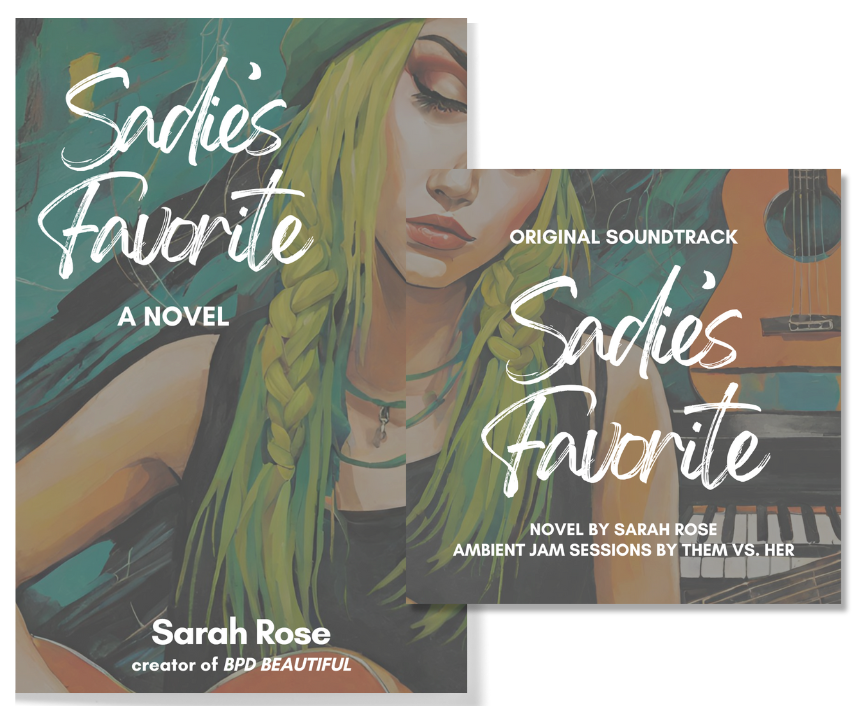
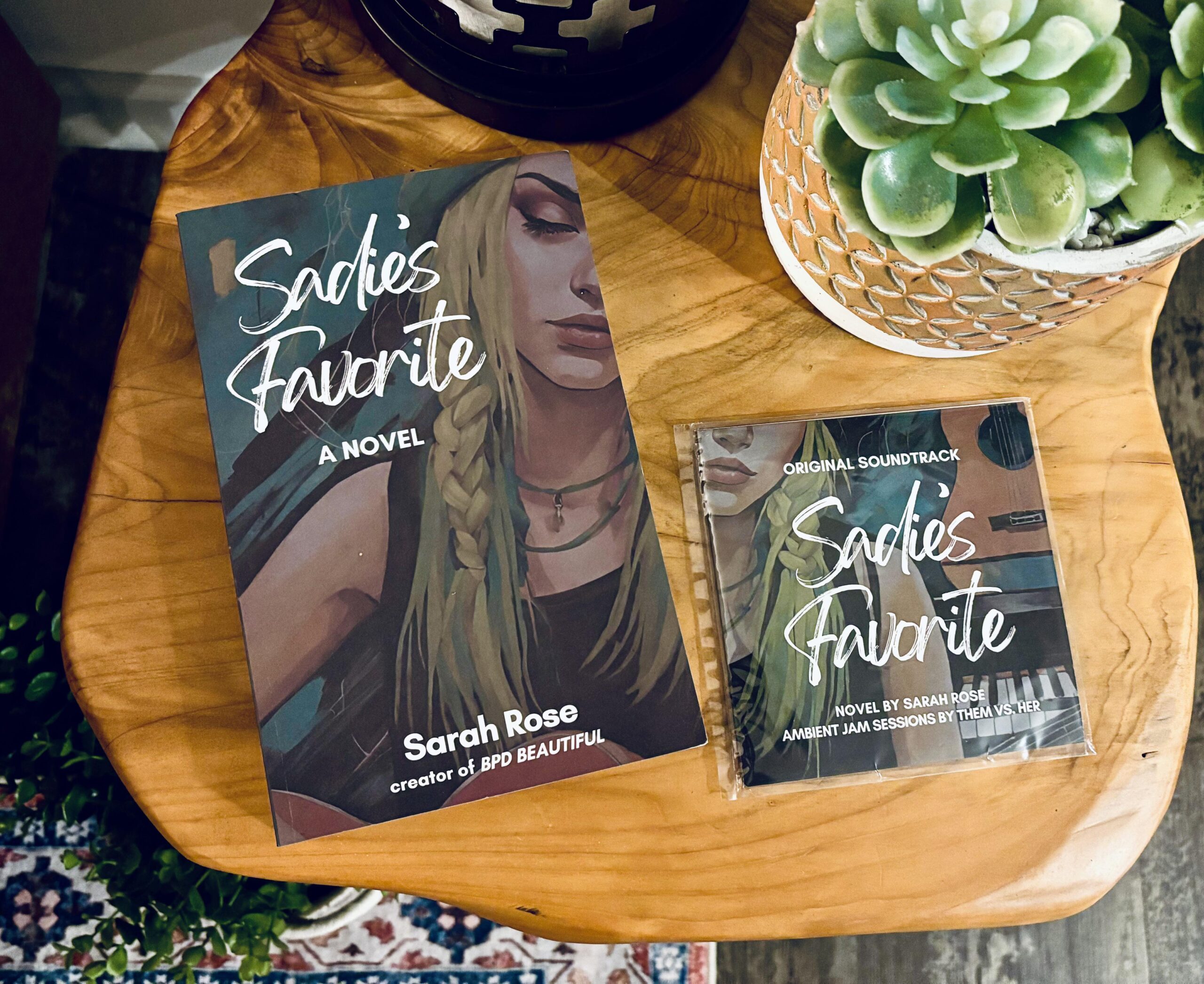
Sadie’s Favorite: A Novel + Original Soundtrack is a character-driven story about BPD recovery, trauma bonds and breaking away from abuse.
Are You Being Covertly Manipulated?
- Gaslighting and BPD; covert abuse often creates a spiral of confusion and emotional dependency. You may recognize the following symptoms:
- You feel stuck, exhausted, and unsure how to leave—even though you want to.
- You’re never sure where you stand in the relationship.
- You overanalyze everything your partner says or does.
- You frequently ask if something’s wrong, even when nothing has been said.
- You’ve become more anxious, jealous, or insecure than you’ve ever been before.
- You find yourself defending your every move or emotion.
- You feel responsible for ruining “the best relationship” you’ve ever had.
- You no longer feel like yourself—your self-worth has declined significantly.
- You feel like your partner has all the power emotionally.
- You do things you’re uncomfortable with just to keep the peace.
BPD and Gaslighting vs. Splitting vs. Trauma Bond vs. Fear of Abandonment
For people with BPD, it’s vital to differentiate between internal BPD symptoms and external manipulation. Here’s how to tell the difference:
Gaslighting and BPD (Abuse Tactic):
- Your partner repeatedly causes you to doubt your memory, feelings, or sanity.
- You are left confused and disoriented after conversations.
- There’s a pattern of you being dismissed, twisted, or blamed unfairly.
Splitting and BPD (core symptom):
- You suddenly view your partner as “all bad” after a trigger.
- The intensity is emotional, but rooted in fear, not intent to control.
- You may regret your reaction quickly and feel guilty afterward.
Trauma Bond and BPD (Abuse Response):
A Closer Look at BPD
Sadie’s Favorite: A Novel + Original Soundtrack explores BPD recovery, favorite person relationships and healing from trauma bonds.
- You feel addicted to the relationship—even when it hurts you.
- You stay because of intense emotional highs/lows and feel unable to leave.
- You excuse harmful behavior because you’re deeply attached or idealize their potential.
Fear of Abandonment and BPD (Core Fear):
- You panic when there’s perceived distance or disconnection.
- You may emotionally spiral, cling, or lash out.
- You often seek reassurance but still feel unstable afterward.
Tip: If you’re constantly questioning yourself but can clearly identify patterns of your partner minimizing, punishing, or invalidating your emotions—there’s a strong chance you’re being gaslit. If you’re reacting strongly but can acknowledge your part, want to improve, and don’t intentionally manipulate, you’re likely not the abuser.
Common Abuse Patterns That Are Often Missed
- The relationship started as “soulmates” but now feels like survival.
- They act like two different people: one in public, one in private.
- They never apologize—or when they do, it feels insincere.
- You’ve been isolated from family, friends, or support systems.
- You feel the need to monitor their behavior, web history, or texts.
- You’ve lost confidence in your ability to make decisions.
- You’ve compromised your morals, values, or needs to keep them happy.
- You’ve justified, minimized, or rationalized their actions over and over.
- They use your mental health against you in arguments.
Magical Thinking & Denial
Survivors often develop defense mechanisms to survive emotional abuse:
- “They didn’t mean it.”
- “They had a rough childhood.”
- “They just need help, and I’m the one who understands them.”
- “No one is all bad.”
- “If I just love them better, things will change.”
This isn’t love. This is magical thinking—a way your brain copes with trauma by hoping for change that never comes.
If You Think You Might Be the Abuser
This can be painful to admit—but it’s not the end of your story. People with BPD often act out of fear, panic, or trauma, not malice. That doesn’t excuse harm—but it means healing is possible.
Ask yourself: Do I listen to my partner when they express hurt? Or do I just wait to defend myself?
Learn to pause before reacting.
Use DBT skills like Wise Mind, DEAR MAN, and Opposite Action.
Practice accountability and apologize without defense.
Focus on your partner’s feelings—not just your own pain.
Find a therapist who helps you work through shame and reactivity.
The Self-Love Workbook
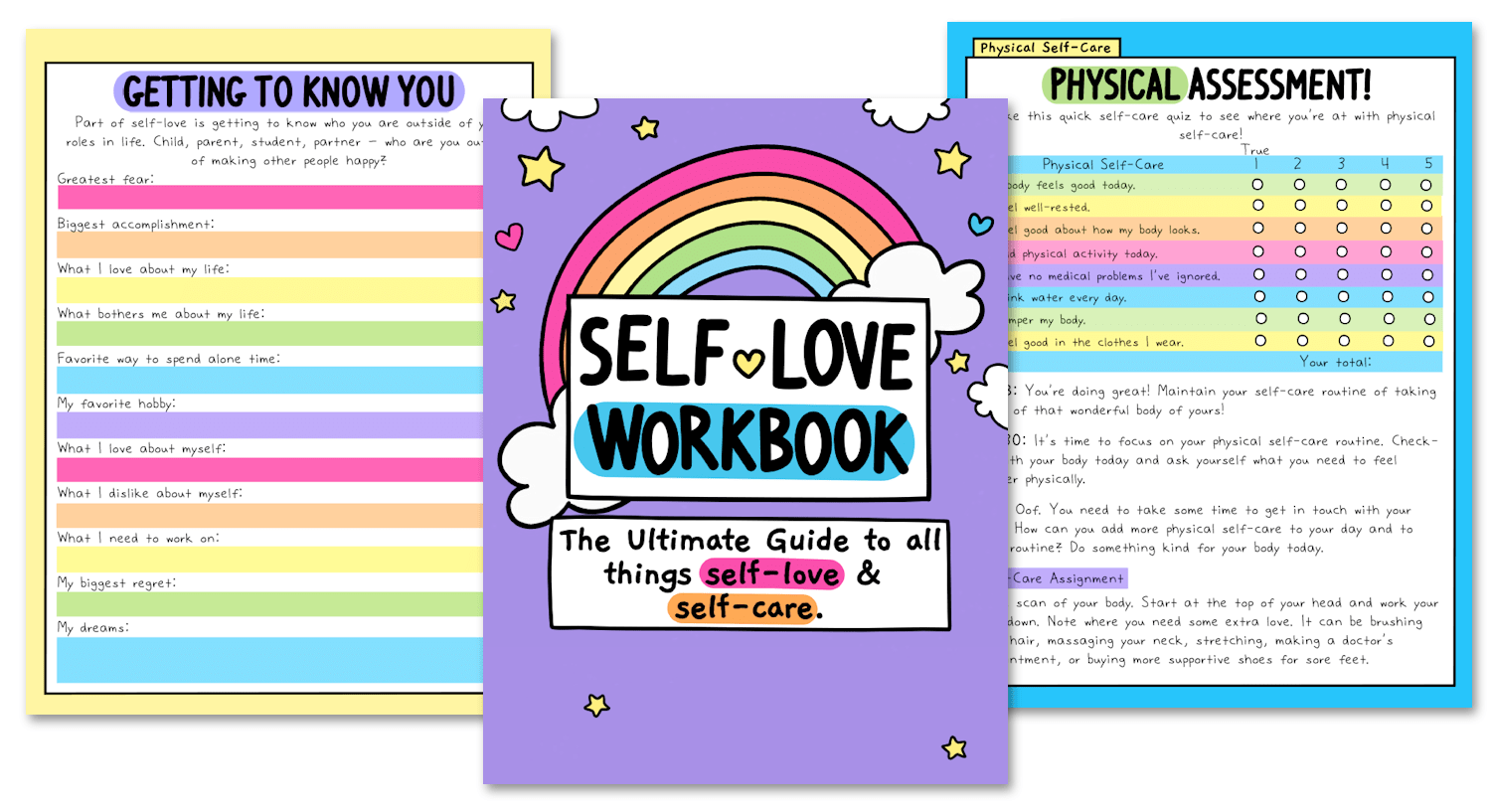
This 103 page digital workbook comes with three different PDFs – full color, a version with no color backgrounds, and a black and white version (to save on printing costs). You get access to all three and you can print whichever one works for you!
DOWNLOAD NOW FOR $10Each .pdf is capable of being filled in digitally. With Adobe on your desktop computer or on an app like XoDo for your phone, you can type your answers into the .pdf and save your progress without ever needing to print it.
Conclusion: You’re Allowed to Heal—No Matter Which Role You’ve Played
Whether you’ve been hurt, caused hurt, or feel like you’ve done both, you’re not beyond repair. Emotional abuse doesn’t always look like violence. Sometimes, it looks like confusion. Sometimes, it shows up as gaslighting and BPD. It looks like silence after speaking your truth. It looks like being punished for having needs. Or like overreacting to avoid being abandoned.
And sometimes, it looks like both partners are in pain—and neither one knows how to stop the cycle.
Start here. Start now. Learn your patterns. Ask the hard questions. And then take steps—one by one—toward the love and safety you deserve.
If You’re Healing from Abuse and Want to Feel Understood…
If this post hits close to home, you’ll find deep resonance in Sadie’s Favorite—a novel I wrote for the BPD and abuse recovery communities. It follows Sadie, a woman caught in a tangle of trauma bonds, identity loss, and emotional chaos as she tries to discern the difference between love and control.
Told through raw, immersive storytelling and layered with themes of gaslighting, c-ptsd, and healing, this novel offers what many survivors are still searching for: representation, understanding, and hope. Early beta readers called it “an emotional roller coaster” and “an accurate portrayal of BPD.” If you’ve ever doubted yourself in the aftermath of abuse, or struggled to feel seen—Sadie’s Favorite was written for you.
BPD Resources
BPD in Fiction: Sadie’s Favorite by Sarah Rose is a Novel + Original Soundtrack that touches on BPD recovery and overcoming toxic “favorite person” (FP) relationships.
Join a Support Group: Study healthier coping skills with others. For people with BPD 18+ worldwide. Secure your spot! Join now.
Private Coaching: Get 1-on-1 support from someone with lived experience of BPD and remission by booking a call.
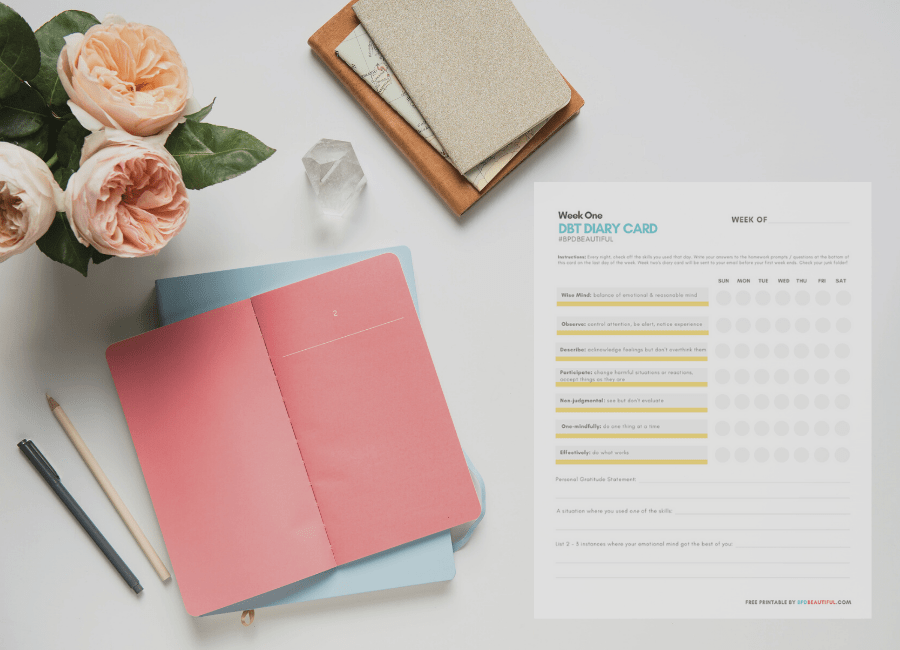
Manage your BPD symptoms with a printable workbook.
See our recommended list of books about BPD.
Start a Discussion
Have you ever experienced gaslighting? Please share your experiences in the comments.
Pin This Post
Liked this post? Please help support BPD Beautiful and spread BPD awareness by pinning it on Pinterest.





Leave a Reply
You must be logged in to post a comment.