

When it comes to quiet BPD (Borderline Personality Disorder) and romantic relationships, it can be a tricky obstacle to navigate. People with this type of BPD may have difficulty expressing their emotions and struggles, causing them to look like the perfect partner from the outside. As a result, many partners are left feeling confused and overwhelmed when quiet BPD symptoms start showing up in the relationship.
For those unfamiliar with quiet BPD, it is characterized by many of the same traits as classic BPD — fear of abandonment, emotional instability, impulsivity, intense mood swings — but individuals with the quiet BPD subtype tend to experience the intensity of their emotions inwardly and take their feelings out on themselves.
Traits of Quiet BPD can include…
- Avoidance of conflicts or conversations that could lead to arguments
- Passive-aggressiveness
- Difficulty communicating feelings
- Extreme sensitivity to criticism
- Passive even when wanting to lead
- Avoidance when overwhelmed
- Feels vulnerable, numb &/or empty
- Recurring complaints of illness, sometimes somatic
- Uses escapism to cope
- Harsh internal critic
- Hyper vigilant
- Struggles to talk about feelings
- Substance abuse
- Chronic hopelessness
- Fears being alone or pushes people away
- Implodes inward, rarely outward
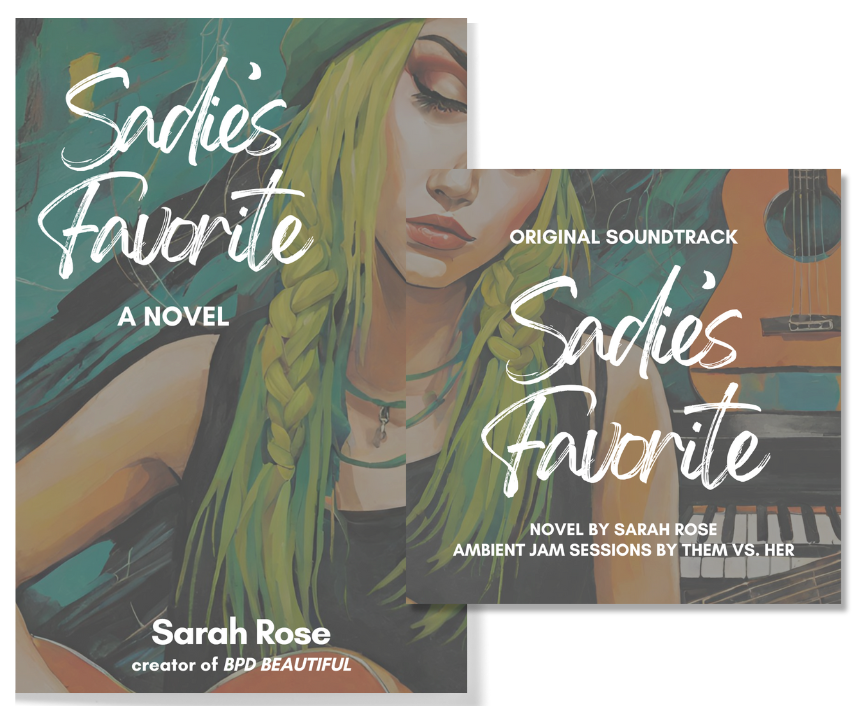
Sadie’s Favorite: A Novel + Original Soundtrack is a character-driven story about BPD recovery, trauma bonds and breaking away from abuse.
It’s important for both partners in a quiet BPD relationship to understand that it’s not their fault. People with quiet BPD are often highly sensitive and struggle to express their emotions, so they may feel more comfortable bottling up their feelings than expressing them openly. This can lead to feelings of confusion, frustration, and loneliness on the part of the partner trying to support them through it.
The best thing both partners can do is to try and be patient with each other as much as possible. It is also important for the person living with quiet BPD to learn healthy coping mechanisms for emotional distress so that they can better manage their symptoms. Additionally, couples counseling or individual therapy can be a great way to work through BPD related issues.
At the end of the day, quiet BPD can be an exhausting experience for both partners. It’s important to remember that you’re not alone and there is help available. With patience, communication, empathy, and understanding from both sides, quiet BPD does not have to define your relationship — it can even make it stronger. Together, you can overcome challenges and create a healthy, loving relationship.
If you or your partner are living with quiet BPD, remember that you are both worthy of love and support. Reach out for help if necessary — there are many resources available to help couples in quiet BPD relationships. With the right tools and attitude, quiet BPD can be managed and your relationship can thrive.
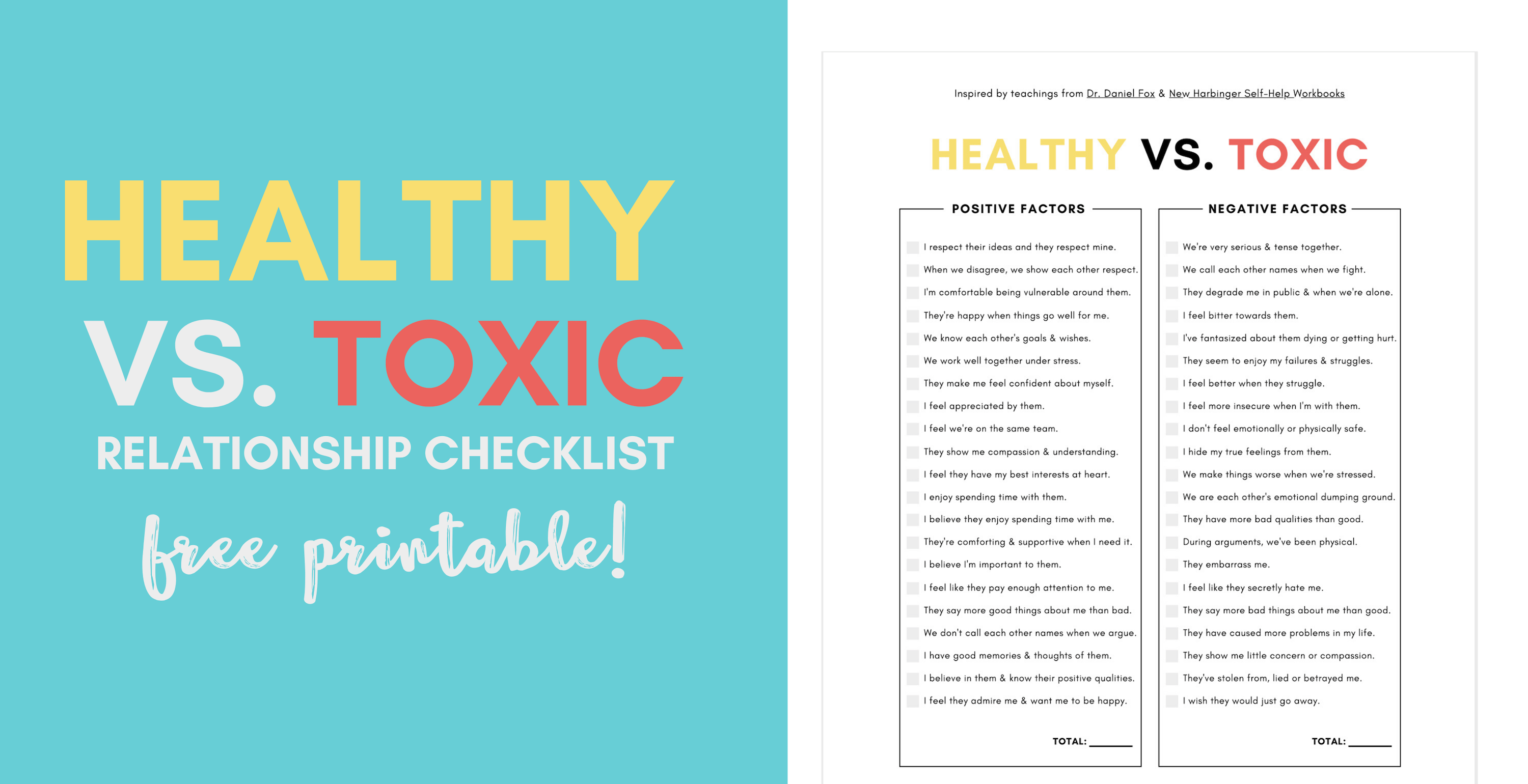
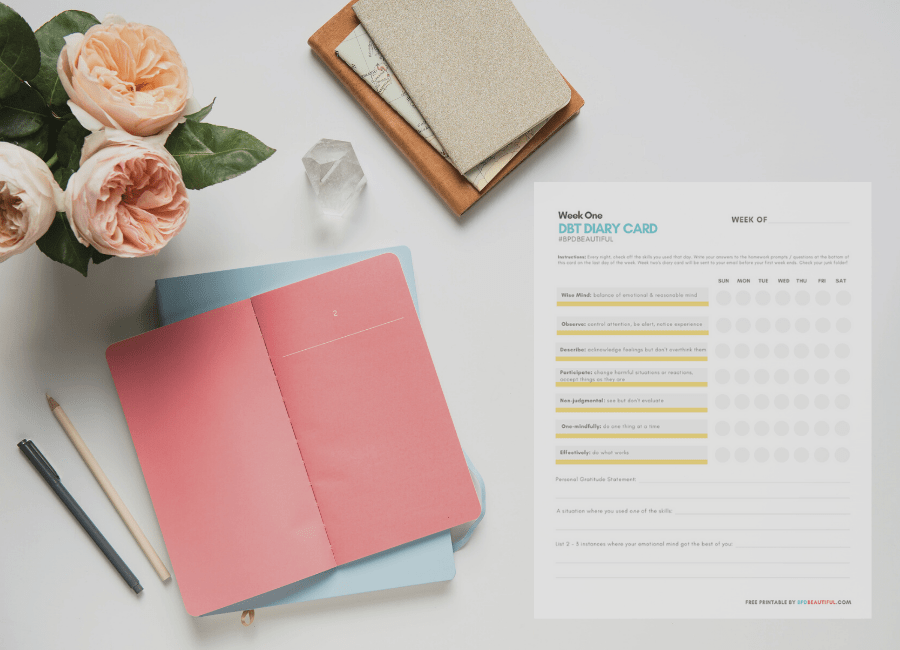
DOWNLOAD FREE PRINTABLE
BPD Resources
BPD in Fiction: Sadie’s Favorite by Sarah Rose is a Novel + Original Soundtrack that touches on BPD recovery and overcoming toxic “favorite person” (FP) relationships.
Join a Support Group: Study healthier coping skills with others. For people with BPD 18+ worldwide. Secure your spot! Join now.
Private Coaching: Get 1-on-1 support from someone with lived experience of BPD and remission by booking a call.
Manage your BPD symptoms with a printable workbook.
See our recommended list of books about BPD.
Start a Discussion
Have you tried incorporating these tips to help you in managing the intense emotions that come from having BPD &/or anxiety? Tell us about it in the comments.
Pin this Post
Liked this post? Please help support BPD Beautiful and spread borderline personality disorder awareness by pinning it to Pinterest.






Leave a Reply
You must be logged in to post a comment.