

Navigating conflict can be challenging, but when you’re dealing with someone who has Borderline Personality Disorder (BPD), these challenges can be amplified. BPD is a complex mental health condition that affects mood, behavior, and relationships. Understanding how to approach and handle conflicts in this context can make a significant difference in maintaining a healthy and supportive relationship.
Before diving into conflict resolution strategies, it’s crucial to understand what BPD is and how it manifests. BPD is characterized by intense emotional reactions, unstable relationships, fear of abandonment, and impulsive behaviors. These symptoms can often contribute to frequent and intense conflicts. By educating yourself about BPD, you can approach conflicts with greater empathy and insight.
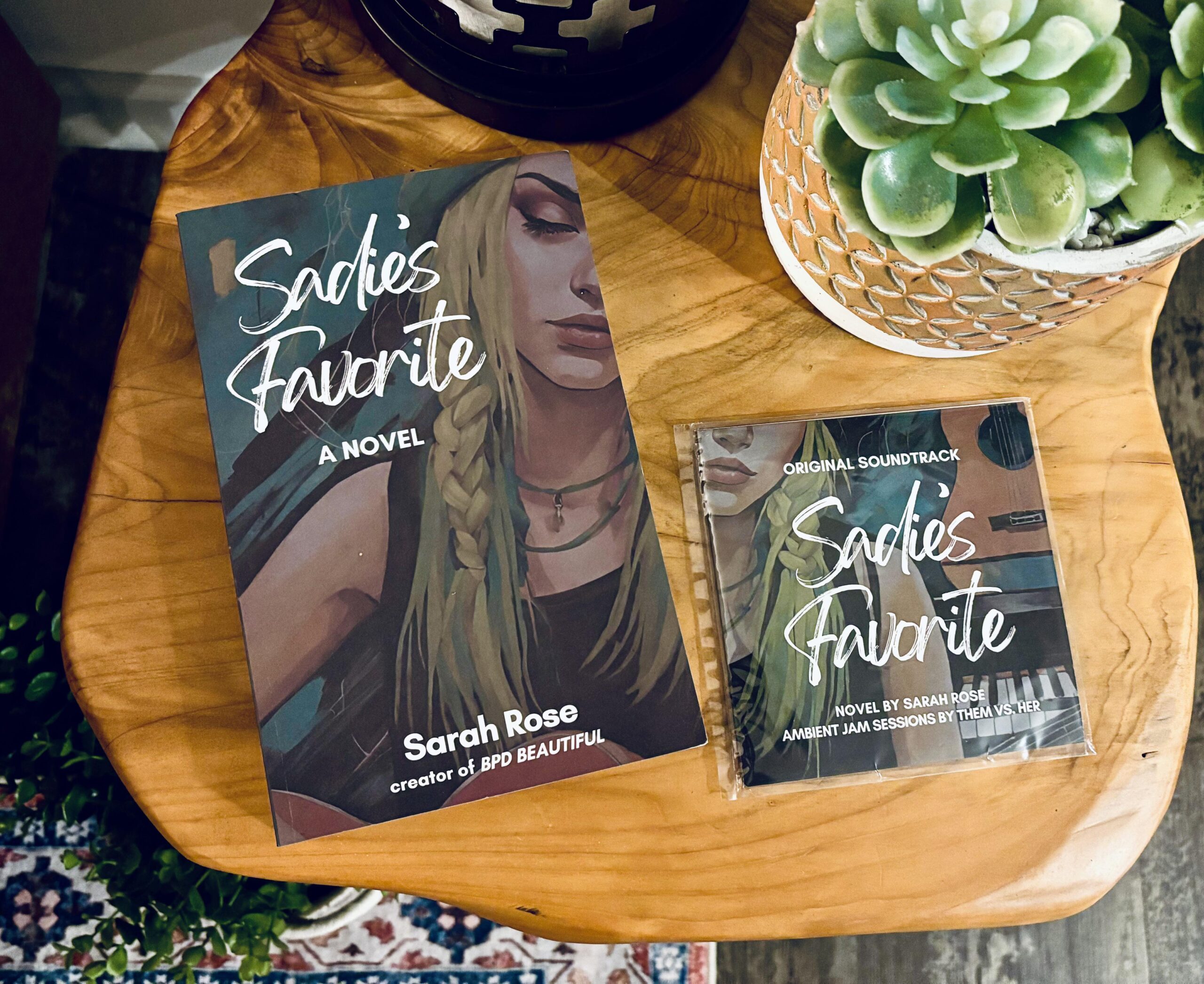
Looking for Characters with BPD? The novel + original soundtrack Sadie’s Favorite by Sarah Rose explores BPD recovery and abusive “FP” relationships. Read First 6 Chapters.
The Importance of Empathy and Patience in BPD Relationships
Approaching conflicts with empathy and patience is essential when dealing with someone who has BPD. Recognize that their emotional responses are deeply rooted in their disorder and not necessarily a reflection of your relationship. Patience fosters a supportive environment where the individual feels understood rather than judged. This can be invaluable in de-escalating conflicts.
Practical Strategies for Conflict Resolution in BPD Relationships
Navigating conflicts with someone who has Borderline Personality Disorder (BPD) requires a thoughtful and strategic approach. By employing practical strategies, you can reduce the intensity of conflicts and create a more constructive emotional environment. Here are some effective techniques to consider:
1. Stay calm and collected
- Manage your emotions by practicing deep breathing and staying composed.
- Avoid raising your voice or reacting impulsively.
- Creating a calm demeanor helps set the tone for a more productive conversation.
2. Set Clear Boundaries
- Clearly define the limits of acceptable behavior to protect your well-being.
- Communicate these boundaries assertively yet calmly.
- Consistency in enforcing boundaries ensures they are respected over time.

Sadie’s Favorite: A Novel + Original Soundtrack is a character-driven story about BPD recovery, trauma bonds and breaking away from abuse.
3. Effective Communication Techniques
- Use “I” statements to express your feelings and needs without sounding accusatory.
- For example, say, “I feel hurt when…” instead of “You always…”.
- Be direct yet compassionate, addressing the issue at hand without criticism.
- This approach minimizes defensiveness and promotes open dialogue.
4. Validate Their Feelings
- Acknowledge and affirm the emotions of the person with BPD.
- Simple validation, like saying, “I understand you’re feeling upset,” can be powerful.
- Avoid invalidating their emotions by dismissing or minimizing their concerns.
- Validation doesn’t equate to agreement, but it shows empathy and understanding.
Avoiding Common Pitfalls in BPD relationships
When dealing with conflicts involving someone with Borderline Personality Disorder (BPD), it’s crucial to be mindful of certain pitfalls that can exacerbate the situation. By being aware of these common pitfalls, you can navigate conflicts more effectively and maintain a healthier dynamic.
1. Don’t Take Things Personally
- Recognize that the symptoms of BPD, such as intense emotional reactions and impulsive behavior, are part of the disorder.
- Understand that their behavior during conflict is not a reflection of your worth or actions but rather a manifestation of their struggle with BPD.
- By not taking their behavior personally, you remain objective and better equipped to handle the situation constructively.
2. Avoid Blame and Criticism
- Steering clear of blaming language is essential to prevent defensiveness and further conflict escalation.
- Focus on expressing your feelings and needs without attributing fault. For instance, say “I feel stressed when…” instead of “You always…”.
- Emphasize problem-solving by identifying the underlying issues and collaboratively seeking solutions rather than focusing on who is to blame.
Self-Care and Seeking Support
Caring for yourself is paramount when dealing with conflicts involving someone with BPD. Ensuring your mental health and emotional well-being remain intact helps you manage these conflicts more effectively. Engage in regular self-care activities such as exercise, meditation, and spending time with loved ones. Recognize the importance of seeking professional help when needed. Consulting a therapist or counselor can provide invaluable guidance and support if conflicts become overwhelming or persistent. They can offer tailored strategies that suit your unique situation, ensuring you and your loved one receive the best care.
The Bottom Line for BPD Relationships
Handling conflict with someone who has BPD requires a blend of empathy, patience, and effective communication. By educating yourself about BPD, setting clear boundaries, staying calm, and validating your feelings, you can navigate conflicts more successfully. Remember to take care of your well-being and seek professional support when needed. You can foster a healthier and more supportive relationship with understanding and effort.
BPD Resources
BPD in Fiction: Sadie’s Favorite by Sarah Rose is a Novel + Original Soundtrack that touches on BPD recovery and overcoming toxic “favorite person” (FP) relationships.
Join a Support Group: Study healthier coping skills with others. For people with BPD 18+ worldwide. Secure your spot! Join now.
Private Coaching: Get 1-on-1 support from someone with lived experience of BPD and remission by booking a call.
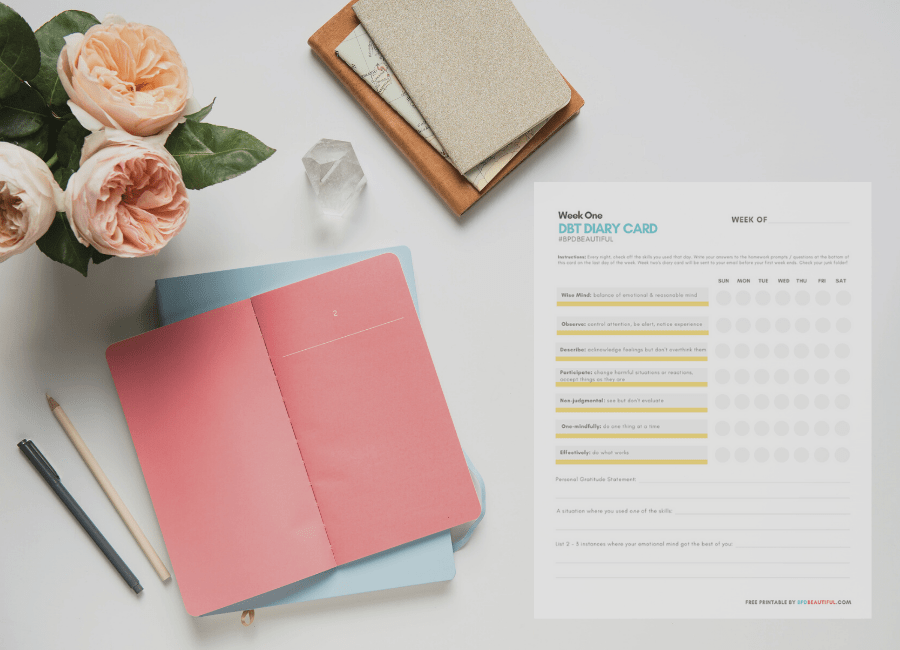
Manage your BPD symptoms with a printable workbook.
See our recommended list of books about BPD.
Start a Discussion
Have you tried incorporating these tips to help you in managing the intense emotions that come from having BPD &/or anxiety? Tell us about it in the comments.
Pin this Post
Liked this post? Please help support BPD Beautiful and spread borderline personality disorder awareness by pinning it to Pinterest.






Leave a Reply
You must be logged in to post a comment.