

If you have worked hard on Dialectical Behavior Therapy (DBT) skills but still feel stuck, you are not alone. Many people with BPD learn distress tolerance and emotion regulation beautifully, yet something still feels unresolved. The missing piece is often trauma-informed care for BPD treatment. This approach recognizes that BPD symptoms frequently grow from wounds that skills training alone cannot fully heal.
What is the Connection Between Trauma and BPD?
Research shows that a significant number of people diagnosed with BPD experienced trauma during childhood or adolescence. This might include:
- Emotional neglect
- Physical or sexual abuse
- Unstable caregiving
- Repeated invalidation of feelings
These experiences shape how your brain develops. They affect how you see yourself, how you respond to stress, and how you navigate relationships. Your intense emotions and fear of abandonment are not character flaws. They are understandable responses to what happened to you.
When treatment focuses only on managing symptoms in the present, it misses the story of how those symptoms began. Skills give you tools to cope right now. Trauma-informed care helps you heal what caused the need for those coping mechanisms in the first place.
What is Trauma-Informed Care?
Trauma-informed care for BPD treatment is not a single therapy method. It is an approach that shapes how your therapist understands and treats you.
Key principles include:
- Safety first: Creating a therapeutic relationship where you feel physically and emotionally safe.
- Trustworthiness: Your therapist follows through consistently and explains their clinical decisions.
- Collaboration: You are a partner in treatment decisions, not a passive recipient.
- Empowerment: Focus on your strengths and choices, not just pathology.
- Understanding trauma’s impact: Recognizing that many “symptoms” are actually survival strategies that made sense given what you experienced.
A trauma-informed therapist sees your BPD behaviors through a different lens. Instead of viewing emotional intensity as something to simply reduce, they ask what that intensity is protecting you from or communicating about unmet needs.


Sadie’s Favorite: A Novel + Original Soundtrack is a character-driven story about BPD recovery, trauma bonds and breaking away from abuse.
Why Skills Training Sometimes Is Not Enough
DBT and other skills-based approaches teach you how to regulate emotions, tolerate distress, and communicate effectively. These skills are genuinely helpful and often life-changing. But skills training typically focuses on the present moment. It teaches you what to do when you feel overwhelmed right now. It does not always address why you became overwhelmed in the first place.
If your emotional responses are rooted in trauma, you might notice patterns like:
- Skills work in the moment, but the same triggers keep coming back.
- You can use grounding techniques during a crisis, but the crises feel endless.
- You understand your emotions intellectually but still feel controlled by them.
- Relationship patterns repeat no matter how many communication skills you learn.
This does not mean skills training failed. It means your healing journey requires another layer that addresses the original injuries, not just the current symptoms. This layer is trauma informed care.
How Trauma Informed Care and Skills Training Work Together
The most effective approach often combines both. You need skills to stay stable while you do trauma work. And you need trauma work to address the root causes that skills alone cannot reach.
Think of it this way: If you broke your leg years ago and it healed incorrectly, physical therapy exercises help you function better. But you might also need treatment that resets the bone properly. Both matter.
- Skills-based treatment teaches you how to manage emotions and function day to day.
- Trauma-focused treatment helps you process the experiences that created such intense emotional pain in the first place.
Trauma informed care for BPD treatment include therapies like EMDR, trauma-focused CBT, or psychodynamic approaches, which can work alongside DBT skills groups. Some therapists integrate both in individual sessions.
What Trauma-Focused BPD Treatment Looks Like
Trauma work in BPD treatment does not mean immediately diving into painful memories. Good trauma-informed therapists move at your pace and prioritize stabilization first.
You might work on:
- Building a safe therapeutic relationship where you feel genuinely heard.
- Understanding how past experiences shaped your current patterns.
- Gradually processing specific traumatic memories when you feel ready.
- Changing internalized beliefs from trauma, like “I am unlovable” or “People always leave.”
- Developing self-compassion for the wounded parts of yourself.
- Reconnecting with your body and learning it can be a safe place.

Signs You Might Benefit From Trauma-Focused Care
Consider asking your treatment team about trauma-informed approaches if:
- You have learned DBT or other skills but still experience intense emotional flashbacks.
- You struggle with dissociation or feeling disconnected from your body.
- Relationship patterns feel stuck despite practicing new communication skills.
- You experience intrusive memories or nightmares related to past events.
- You feel shame that skills training alone has not resolved your struggles.
- Your therapist focuses only on present symptoms without exploring their origins.
Not everyone with BPD needs intensive trauma processing. But if your story includes significant trauma and skills-focused treatment has not brought the relief you hoped for, trauma work might be the missing piece.
How To Get Trauma-Informed BPD Treatment
Look for therapists who explicitly mention training in both BPD treatment and trauma work. Ask potential therapists directly:
- Are you trained in trauma-focused therapies like EMDR, CPT, or prolonged exposure?
- How do you integrate trauma work with BPD treatment?
- Do you take a trauma-informed approach to understanding borderline personality disorder symptoms?
- Can I work on skills and trauma processing at the same time?
Some therapists offer individual trauma-focused therapy while you attend a separate DBT skills group. Others integrate both in individual sessions. Find the structure that fits your needs.
Organizations like the National Education Alliance for Borderline Personality Disorder (NEABPD) can be a great starting point for finding specialized care.
The Bottom Line
BPD did not develop in a vacuum. Your intense emotions, relationship fears, and identity struggles likely grew from real experiences that hurt you deeply.
Healing is not just about managing symptoms better. It is about addressing the wounds underneath those symptoms. Skills give you tools for the present; trauma work helps you make peace with the past.
You are not broken because skills alone were not enough. You are complex, and your healing deserves an approach that honors that complexity. If you have been working hard on emotion regulation but still feel like something is missing, consider exploring trauma-informed care. It might be exactly what your recovery has been waiting for.
Disclaimer: The following information is for educational and informational purposes only and is not a substitute for professional medical or psychological advice, diagnosis, or treatment. Always seek the guidance of a qualified mental health professional or physician with any questions you may have regarding Borderline Personality Disorder (BPD), trauma, or other mental health conditions. If you are in distress or experiencing a mental health crisis, please contact your local emergency services or a crisis hotline immediately.
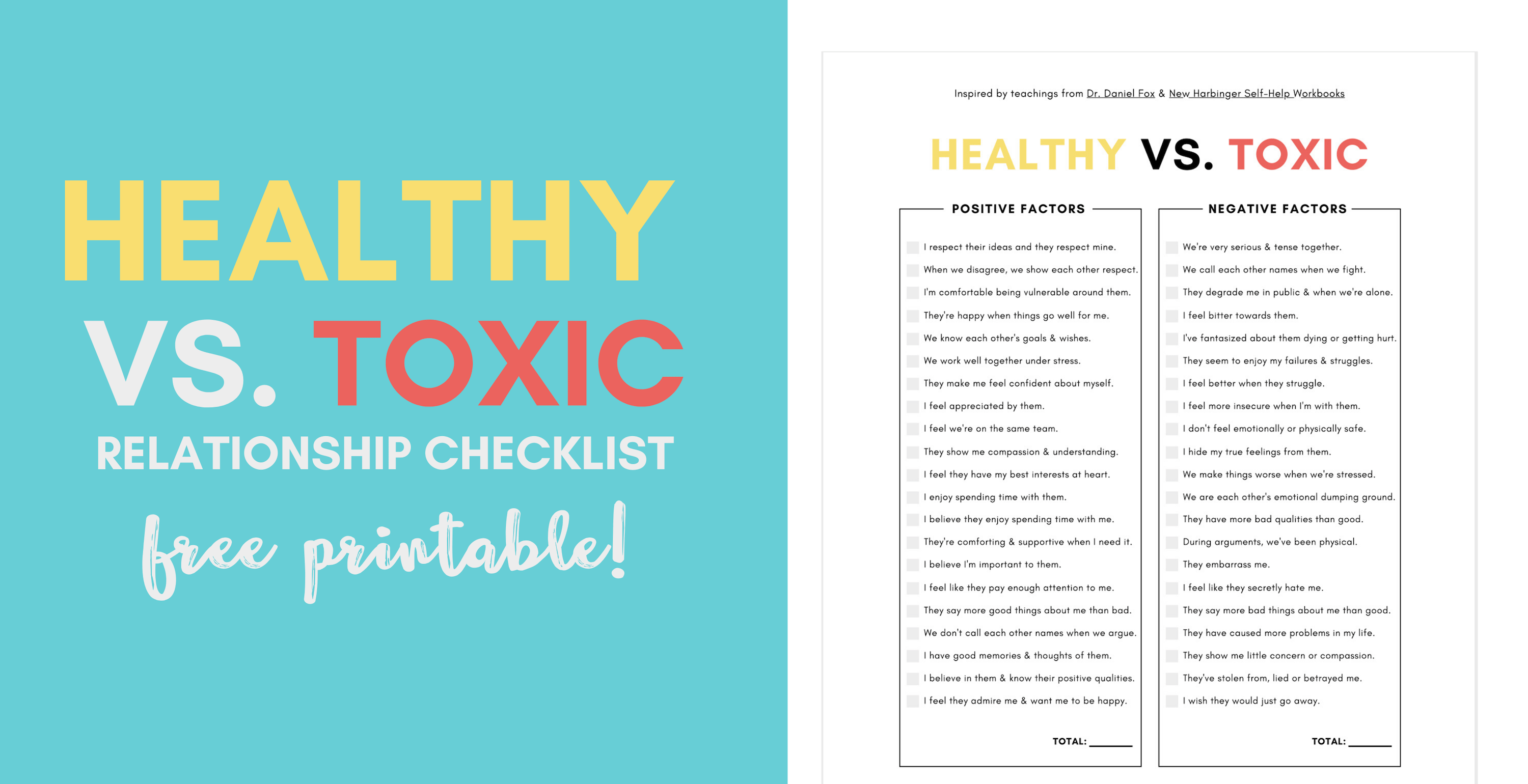
DOWNLOAD FREE PRINTABLE
BPD Resources
BPD in Fiction: Sadie’s Favorite by Sarah Rose is a Novel + Original Soundtrack that touches on BPD recovery and overcoming toxic “favorite person” (FP) relationships.
Join a Support Group: Study healthier coping skills with others. For people with BPD 18+ worldwide. Secure your spot! Join now.
Private Coaching: Get 1-on-1 support from someone with lived experience of BPD and remission by booking a call.
Manage your BPD symptoms with a printable workbook.
See our recommended list of books about BPD.
Start a Discussion
Tell us about your experience with BPD in the comments.
Pin this Post
Liked this post? Please help support BPD Beautiful and spread borderline personality disorder awareness by pinning it to Pinterest.








Leave a Reply
You must be logged in to post a comment.