

Borderline Personality Disorder (BPD) is a complex mental health condition that affects how a person experiences emotions, relationships, self-image, and stress. While many people recognize BPD for symptoms such as emotional dysregulation, fear of abandonment, unstable relationships, and impulsive behaviors, one symptom that is often misunderstood is BPD paranoia.
Paranoia in Borderline Personality Disorder can be frightening for the person experiencing it and confusing for the people around them. During times of intense emotional stress, someone with BPD may become convinced that another person is lying, judging them, rejecting them, betraying them, or intentionally trying to hurt them—even when there is little objective evidence to support those beliefs. These paranoid thoughts can feel completely real in the moment, leading to misunderstandings, conflict, false accusations, and significant strain on relationships.
Unlike chronic paranoid disorders, Borderline Personality Disorder paranoia is typically temporary and closely linked to emotional distress. The Diagnostic and Statistical Manual of Mental Disorders (DSM-5) describes this as transient, stress-related paranoid ideation, meaning the thoughts often become more intense during periods of conflict, rejection, or overwhelming emotions and may lessen once the situation has passed or emotions have stabilized.
Understanding BPD paranoia is important not only for individuals living with Borderline Personality Disorder but also for partners, family members, and friends. Recognizing why these thoughts occur can help reduce shame, improve communication, strengthen relationships, and encourage healthier ways of responding. With increased self-awareness, effective coping strategies, and appropriate treatment, many people learn to recognize paranoid thoughts before acting on them and develop healthier ways to reality-test their fears.
What Is BPD Paranoia?
Paranoia in Borderline Personality Disorder (BPD) refers to temporary, stress-related thoughts that make it difficult to accurately judge another person’s intentions. During periods of intense emotional distress, someone with BPD may become convinced that another person is lying, judging them, abandoning them, manipulating them, or intentionally trying to hurt them—even when there is little objective evidence.
Unlike persistent paranoid disorders, BPD paranoia is typically short-lived and closely linked to emotional stress. As emotions settle, these thoughts often become easier to question or reevaluate.
Experiencing BPD paranoia does not make someone “crazy.” It is a recognized symptom of Borderline Personality Disorder and often reflects the brain’s attempt to protect itself after experiences of trauma, abandonment, chronic invalidation, or other experiences that taught the brain to remain on high alert for potential danger or rejection.
What Causes BPD Paranoia?
There is no single cause of BPD paranoia. Instead, it often develops through a combination of emotional, psychological, and biological factors that influence how a person interprets stressful situations and relationships.
Emotional dysregulation: People with BPD experience emotions more intensely and may have difficulty returning to an emotional baseline. During periods of overwhelming emotion, it can become harder to interpret another person’s words or actions objectively.
Fear of abandonment: One of the hallmark symptoms of Borderline Personality Disorder is an intense fear of being rejected or abandoned. Even minor changes in someone’s behavior—such as a delayed text message or a change in tone—can sometimes be interpreted as signs that a relationship is in danger.
Cognitive distortions: BPD is often associated with thinking patterns such as black-and-white thinking, emotional reasoning, catastrophizing, and jumping to conclusions. These cognitive distortions can reinforce suspicious thoughts and make them feel increasingly convincing.
Past trauma and attachment wounds: Many people with BPD have experienced childhood trauma, neglect, abuse, or inconsistent caregiving. These experiences can lead to hypervigilance, making the brain more likely to perceive potential threats even in relatively safe situations.
Neurological and biological factors: Research suggests that differences in brain regions involved in emotion regulation, threat detection, and impulse control—as well as neurotransmitters such as serotonin—may contribute to the emotional intensity and stress-related paranoia experienced by some individuals with BPD.
Common Examples of BPD Paranoia
BPD paranoia can look different from person to person, but it often involves assuming the worst about another person’s intentions, especially during times of emotional distress or relationship conflict. These stress-related paranoid thoughts are usually rooted in fear rather than facts and can make it difficult to distinguish between genuine concerns and assumptions driven by anxiety or emotional overwhelm.
Some common examples of paranoia in Borderline Personality Disorder include:
- Believing your partner secretly wants to leave you, despite reassuring words or actions.
- Assuming friends are talking about you, excluding you, or intentionally leaving you out.
- Thinking someone deliberately ignored your text message because they are angry or no longer care about you.
- Feeling certain your therapist, doctor, or another trusted professional secretly dislikes or is judging you.
- Believing coworkers are trying to get you fired, undermine your reputation, or intentionally exclude you.
- Assuming a loved one is lying, cheating, or hiding something despite little or no objective evidence.
- Feeling convinced that strangers or people around you are watching, criticizing, or judging everything you do.
- Interpreting neutral facial expressions, body language, or short responses as signs of rejection, anger, or betrayal.
- Believing someone has changed their feelings about you based on a small interaction or perceived shift in tone.
- Assuming that disagreements or constructive feedback mean someone no longer cares about you or wants you in their life.
For someone experiencing BPD paranoid thoughts, these fears often feel completely real and convincing in the moment. Intense emotions can influence how the brain interprets social situations, making ambiguous interactions seem like proof that something is wrong. Because BPD is characterized by emotional dysregulation and heightened sensitivity to rejection, the mind may quickly fill in gaps with worst-case scenarios—even when there is another, more likely explanation.
It’s important to remember that experiencing these thoughts does not mean they are accurate. Learning to pause, reality-test assumptions, and consider alternative explanations can help reduce the impact of BPD relationship paranoia and strengthen trust in healthy relationships over time.
Looking for Characters with BPD? The novel + original soundtrack Sadie’s Favorite by Sarah Rose explores BPD recovery and abusive “FP” relationships. Read First 6 Chapters.
What Does BPD Paranoia Look Like to Others?
From the outside, BPD paranoia can be confusing and even painful for loved ones who may not understand what the person is experiencing internally. Because the thoughts feel genuine in the moment, someone with Borderline Personality Disorder paranoia may react as though the perceived threat is real, even when others see little or no evidence to support it.
To friends, family members, or partners, BPD paranoid thoughts may look like:
- Sudden accusations of lying, cheating, betrayal, or manipulation without clear evidence.
- Intense emotional reactions to perceived rejection, criticism, or abandonment.
- Difficulty trusting even close friends, family members, or romantic partners despite a history of support.
- Frequently seeking reassurance but continuing to feel uncertain after receiving it.
- Becoming suspicious of changes in someone’s tone, facial expression, texting habits, or body language.
- Interpreting neutral comments or everyday interactions as personal attacks or hidden messages.
- Quickly withdrawing from relationships or becoming defensive because they believe someone is about to hurt or abandon them.
- Repeatedly questioning another person’s motives or assuming there is a hidden agenda behind their actions.
It’s important to remember that these behaviors are usually driven by fear rather than a desire to manipulate or control others. The person experiencing stress-related paranoia often believes their concerns are real and may feel overwhelmed by anxiety, hurt, or fear of abandonment. Their reactions are not necessarily a reflection of the other person’s actions but of how their brain is interpreting the situation in that moment.
For loved ones, responding with patience, clear communication, and healthy boundaries—rather than immediately becoming defensive—can often help de-escalate the situation. Likewise, for individuals with BPD, learning to pause, regulate emotions, and reality-test suspicious thoughts before acting on them can improve trust, reduce conflict, and strengthen relationships over time.
What Does BPD Paranoia Feel Like to Someone with BPD?
For someone living with Borderline Personality Disorder, BPD paranoia is often much more than simply feeling suspicious. It can feel like an overwhelming sense that something is wrong, even when there is no clear evidence to support that belief. The fear is real, the emotions are intense, and the urge to protect yourself from being hurt can feel impossible to ignore.
Many people describe paranoid thoughts with BPD as feeling emotionally convincing rather than logically convincing. In other words, because the emotions are so intense, the thoughts can seem unquestionably true in the moment—even if they later realize they may have misinterpreted the situation.
People experiencing BPD paranoia may describe feelings such as:
- An overwhelming fear that someone they love is about to betray, reject, or abandon them.
- Feeling constantly on edge, hypervigilant, or suspicious of other people’s motives.
- Worrying that friends, family members, coworkers, or a partner are secretly angry, lying, or talking about them.
- Feeling unable to “turn off” racing thoughts about what someone else might be thinking or planning.
- Replaying conversations over and over while searching for signs they missed.
- Feeling trapped between wanting reassurance and fearing they won’t believe it even if they receive it.
- Struggling to separate objective facts from fears fueled by intense emotions.
- Feeling embarrassed, guilty, or ashamed after realizing their fears may not have reflected reality.
During periods of stress-related paranoia, the brain is often operating in a heightened state of alert, scanning for possible danger or rejection. This can make neutral situations—such as a delayed response to a text message, a brief change in someone’s tone of voice, or a canceled plan—feel like evidence that something is seriously wrong.
For many people with BPD, these experiences are deeply distressing rather than intentional. They often want to trust the people they care about but find that fear and emotional intensity make it difficult to do so in the moment. The encouraging news is that with increased self-awareness, reality-testing, and evidence-based treatments such as Dialectical Behavior Therapy (DBT), many people learn to recognize these thoughts earlier, respond more effectively, and build stronger, healthier relationships.
BPD Support Groups: Practice healthy coping skills & get consistent support. Groups run from Sept 2026 to Jul 2027. Secure your spot! Join now.
Common Cognitive Distortions in BPD:
One reason BPD paranoia can feel so convincing is because intense emotions often influence how we interpret situations. When emotions are running high, the brain may rely on automatic thinking patterns—known as cognitive distortions—that make assumptions feel like facts. These distorted thinking patterns don’t mean someone is irrational or “making things up.” Instead, they are common mental shortcuts that can become more noticeable during periods of emotional distress, anxiety, trauma, or fear of abandonment.
Recognizing these cognitive distortions is an important step in learning to reality-test paranoid thoughts and respond more thoughtfully rather than reacting impulsively.
Some of the most common cognitive distortions experienced by people with Borderline Personality Disorder include:
All-or-Nothing Thinking (Black-and-White Thinking): Viewing situations, relationships, or people as entirely good or entirely bad, with little room for nuance. For example, believing that one disagreement means a relationship is completely ruined.
Overgeneralization: Drawing broad conclusions based on a single event. For instance, assuming that because one friend canceled plans, everyone will eventually abandon you.
Catastrophizing: Immediately expecting the worst possible outcome. A delayed response to a text message might quickly become, “They’re leaving me,” rather than considering more ordinary explanations.
Mind Reading: Assuming you know what someone else is thinking or feeling without objective evidence. This might involve believing someone secretly dislikes you based solely on their facial expression or tone of voice.
Emotional Reasoning: Believing that because something feels true, it must be true. For example, “I feel rejected, so they must be rejecting me.”
Personalization: Taking responsibility for events that are outside your control or assuming another person’s mood or behavior is your fault.
Labeling: Assigning harsh, global labels to yourself or others instead of recognizing that everyone makes mistakes. Examples include thinking, “I’m unlovable,” or “They’re a terrible person.”
Should Statements: Holding rigid beliefs about how you or other people “should” think, feel, or behave, often leading to disappointment, frustration, or self-criticism when reality doesn’t match expectations.
Disqualifying the Positive: Dismissing compliments, reassurance, or positive experiences because they don’t fit with your fears or negative beliefs. For example, believing someone is only saying they care because they feel obligated.
Magnification and Minimization: Exaggerating negative events while minimizing positive ones. A small disagreement may feel like proof that a relationship is failing, while months of love, support, and reassurance are overlooked.
While everyone experiences cognitive distortions from time to time, they can become especially powerful during periods of stress-related paranoia or emotional dysregulation. Learning to identify these thinking patterns doesn’t mean your emotions are invalid—it simply creates space to ask whether your thoughts are based on evidence, assumptions, or fear. Skills such as reality testing, mindfulness, and the DBT Check the Facts exercise can help reduce the influence of cognitive distortions and make it easier to respond from a place of balance rather than panic.
What BPD Paranoia Is NOT
Because BPD paranoia is often misunderstood, it’s important to separate fact from fiction. Temporary, stress-related paranoid thoughts in Borderline Personality Disorder are not the same as several other mental health symptoms or personality traits that people commonly confuse them with. Understanding these differences can reduce stigma, improve communication, and help individuals seek the most appropriate support.
BPD Paranoia Is Not Always Psychosis
Although both can involve difficulties interpreting reality, BPD paranoia is typically temporary, triggered by emotional stress, and often improves as emotions become more regulated. Psychosis generally involves a more persistent loss of contact with reality and may include symptoms such as hallucinations or fixed delusions. Because symptoms can sometimes overlap, it’s important to speak with a qualified mental health professional if you’re unsure what you’re experiencing.
BPD Paranoia Is Not the Same as Delusions
Paranoid thoughts in Borderline Personality Disorder are often intense and emotionally convincing, but they are usually connected to real-life relationships or stressful situations. Unlike delusions, these beliefs may become easier to question once emotional intensity decreases or new evidence is considered.
BPD Paranoia Is Not Manipulation
One of the most harmful misconceptions about BPD is that people intentionally create conflict or accusations to control others. In reality, someone experiencing BPD paranoid thoughts often genuinely believes their fears are true in the moment. Their reactions are typically driven by overwhelming fear, anxiety, or fear of abandonment—not a deliberate attempt to manipulate or deceive others.
BPD Paranoia Is Not Intentional Lying
When someone with BPD expresses a paranoid belief, they are usually describing what they sincerely believe is happening based on how they are interpreting the situation. Even if those beliefs later prove to be inaccurate, that does not necessarily mean the person was lying. There is an important difference between intentionally providing false information and sincerely believing something that was influenced by emotional distress or cognitive distortions.
BPD Paranoia Is Not Narcissism
People sometimes mistake suspicious thoughts or defensive reactions for narcissistic behavior, but these conditions have different underlying motivations. BPD paranoia is generally rooted in fear, vulnerability, and a desire to avoid rejection or abandonment. Narcissistic traits are typically associated with different patterns of thinking, emotional needs, and interpersonal behavior. While some people may have more than one mental health condition, paranoia alone is not an indication of narcissism.
Understanding what BPD paranoia is—and what it is not—can help reduce shame for those experiencing it while fostering greater empathy among loved ones. With increased self-awareness, effective coping strategies, and appropriate treatment, many people with Borderline Personality Disorder learn to recognize paranoid thoughts earlier, reality-test their assumptions, and respond in healthier ways that strengthen rather than damage their relationships.
How to Tell the Difference: BPD Paranoia vs. Toxic People or Situations
One of the hardest challenges for people with Borderline Personality Disorder (BPD) is knowing when your fear is valid—and when it’s a symptom of BPD paranoia or cognitive distortions. Because BPD involves intense emotional experiences and heightened sensitivity to rejection or abandonment, it can be incredibly difficult to discern whether your instincts are warning you about a real threat—or whether trauma is distorting your perception.
Here’s how to begin telling the difference:
- Look at the Pattern, Not the Moment
If someone consistently disrespects your boundaries, lies, gaslights, or hurts you over time, your feelings of fear or anger are likely valid. BPD paranoia, on the other hand, often flares up during specific emotional spikes, even when there’s no consistent pattern of harm.
- Consider the Evidence
BPD paranoia may lead to sudden thoughts like “They’re cheating on me” or “They’re hiding something.” Ask yourself: What concrete evidence do I have? If the answer is vague feelings, tone changes, or assumptions, pause before acting. If you’ve discovered tangible patterns of dishonesty, insults or betrayal, your suspicion might be grounded.
- Reflect on the Triggers
BPD paranoia is often triggered by abandonment fears, emotional overwhelm, or a perceived change in your relationship (a delayed reply, a missed call). These situations might not actually mean you’re being mistreated—they might just trigger unresolved trauma.
- Talk to a Third Party
Sometimes, a trusted friend or therapist can offer an outside perspective. If they affirm that your relationship seems unhealthy or manipulative, trust that input. If they gently challenge your view, stay open to the idea that your perception may be skewed by emotional dysregulation.
- Watch for Recurring Thoughts
Paranoid thoughts in BPD often repeat the same theme: They’re going to leave. I’m being replaced. I can’t trust them. Toxic situations, on the other hand, usually include clear emotional, psychological, or physical harm beyond just fear of loss.
- Check for Growth
When you bring up your feelings, do they try to understand and repair—or do they mock, manipulate, or dismiss you? If your partner avoids all accountability and repeatedly invalidates your pain, it’s not just BPD paranoia—you may be in a toxic situation.
- Compare It to Other Relationships
Do you only feel this way in this relationship, or is it a pattern across many? If it’s isolated to one person, it could be the dynamics between you—or actual manipulation. If it happens in every close relationship, BPD paranoia might be the more likely culprit.
- Ask Yourself: Is This Fear, or a Flashback?
Sometimes, intense emotional responses are rooted in past trauma rather than present danger. If your reaction feels disproportionate or like something you’ve felt before in another relationship, pause and reflect before labeling the situation.
- Accept That Both Can Be True
It’s possible to experience BPD paranoia and be in a toxic relationship. One does not cancel the other out.
- When in Doubt—Slow Down
The biggest gift you can give yourself is time. Don’t confront, accuse, or make decisions during the height of your fear. Ground yourself. Get regulated. Then decide how to move forward.


Sadie’s Favorite: A Novel + Original Soundtrack is a character-driven story about BPD recovery, trauma bonds and breaking away from abuse.
Managing False Accusations Related to BPD Paranoia
When someone is experiencing BPD paranoia, they may genuinely believe they have uncovered evidence that someone has lied to them, betrayed them, or is planning to abandon them. Because these fears often feel completely real in the moment, conversations can quickly become emotionally charged. Whether you’re a partner, family member, friend, or the person experiencing these thoughts yourself, responding thoughtfully can help reduce conflict and protect the relationship.
While it’s important to remember that not every accusation made by someone with BPD is caused by paranoia, learning healthy communication skills can make it easier to navigate situations where stress-related paranoid thoughts may be influencing the conversation.
Stay Calm
If someone accuses you of something that isn’t true, try to remain calm and avoid matching their emotional intensity. Raising your voice, becoming defensive, or responding with anger can unintentionally reinforce their fear that something is wrong. Speaking calmly and respectfully creates a safer environment for both people.
Validate the Emotion, Not the Belief
Validation doesn’t mean agreeing with an accusation. Instead, acknowledge the emotion behind it. For example, you might say, “I can see that you’re really hurt and scared right now,” rather than confirming something you know isn’t true. Feeling emotionally understood can often help reduce distress and make productive conversation more possible.
Avoid Arguing About Every Detail
During periods of intense emotional dysregulation, trying to prove someone wrong point by point is rarely effective. Instead of debating every fact, focus on helping both people regulate emotions first. Once everyone is calmer, it’s often easier to discuss what actually happened.
Set Healthy Boundaries
Supporting someone with BPD does not mean accepting verbal abuse, repeated hostility, or disrespectful behavior. Clearly communicate what behaviors are and are not acceptable, and follow through with consistent, compassionate boundaries. Healthy boundaries protect both the relationship and your own well-being.
Be Consistent and Reliable
Trust is built over time through consistent actions. Following through on commitments, communicating openly, and being dependable can help reduce uncertainty and create a stronger sense of emotional safety within the relationship.
Encourage Professional Support
If BPD paranoia is causing ongoing distress or repeated conflict, encourage the person to seek support from a qualified mental health professional. Evidence-based treatments such as Dialectical Behavior Therapy (DBT) can help people recognize cognitive distortions, regulate emotions, and reality-test suspicious thoughts before acting on them.
Learn About Borderline Personality Disorder
The more you understand Borderline Personality Disorder, emotional dysregulation, fear of abandonment, and stress-related paranoia, the easier it becomes to respond with empathy while maintaining healthy expectations. Education can help reduce misunderstandings and prevent taking symptoms personally.
Use “I” Statements
Instead of responding with blame or criticism, express your own experience using calm, non-accusatory language. For example, “I feel hurt when I’m accused of something I didn’t do, and I’d like us to work through this together.” This approach encourages dialogue instead of defensiveness.
Take Care of Your Own Mental Health
Supporting someone through mental health challenges can be emotionally demanding. Make time for your own self-care, maintain supportive relationships, and seek counseling if needed. Taking care of yourself allows you to show up more effectively for others without becoming overwhelmed.
Seek Additional Support
You don’t have to navigate these challenges alone. Individual therapy, couples counseling, family therapy, and support groups for loved ones of people with BPD can provide education, practical communication strategies, and emotional support from others who understand what you’re experiencing.
Remember that recovery is possible. With greater self-awareness, effective treatment, healthy boundaries, and open communication, many people with Borderline Personality Disorder learn to recognize BPD paranoid thoughts earlier, respond more effectively to stress, and build stronger, more trusting relationships over time.
Managing BPD Paranoia and Preventing False Accusations
If you experience BPD paranoia, it’s important to remember that your fears and emotions are real—even if your interpretation of the situation may not always be accurate. Learning to recognize stress-related paranoid thoughts before acting on them can help reduce misunderstandings, strengthen relationships, and build greater confidence in your ability to respond thoughtfully instead of impulsively.
Managing Borderline Personality Disorder paranoia isn’t about ignoring your feelings. Instead, it’s about learning to slow down, reality-test your thoughts, and respond in ways that align with your long-term goals rather than your immediate fears.
Learn to Recognize Your Triggers
Paranoid thoughts often don’t appear out of nowhere. They are frequently triggered by situations that activate feelings of rejection, abandonment, shame, or uncertainty. Common triggers include arguments, changes in communication, unanswered text messages, criticism, social exclusion, or stressful life events. Identifying your personal triggers can help you prepare for them before emotions become overwhelming.
Pause Before Reacting
When you’re feeling emotionally activated, give yourself permission to slow down before sending a text, confronting someone, or making a decision. Even waiting 20 to 30 minutes—or sleeping on the situation if possible—can provide enough emotional distance to evaluate the situation more objectively.
Challenge Your Thoughts
Ask yourself whether your conclusion is based on evidence or emotion. Helpful questions include:
- What facts support this belief?
- What facts contradict it?
- Could there be another explanation?
- Am I assuming I know what someone else is thinking?
- Would I see this situation differently if I were feeling calmer?
Learning to reality-test your assumptions is one of the most effective ways to reduce the impact of BPD paranoid thoughts.
Practice Mindfulness
Mindfulness helps bring your attention back to the present moment instead of becoming caught up in worst-case scenarios. Simple grounding exercises, mindful breathing, body scans, or observing your thoughts without immediately believing them can reduce emotional intensity and make it easier to respond thoughtfully.
Use Healthy Coping Skills
When emotions are overwhelming, healthy coping strategies can prevent impulsive reactions. Deep breathing, journaling, going for a walk, listening to calming music, engaging in creative activities, or practicing DBT distress tolerance skills can help regulate emotions while giving your mind time to process the situation more clearly.
Separate Feelings from Facts
One of the most valuable skills for managing BPD paranoia is recognizing that feelings are not always evidence. You may genuinely feel rejected, betrayed, or judged, but that doesn’t automatically mean those fears reflect reality. Learning to hold both truths at once—“My feelings are real, and I may need more information before reaching a conclusion”—can reduce misunderstandings and prevent false accusations.
Build a Strong Support System
Surround yourself with people who are supportive, trustworthy, and willing to encourage reality-testing rather than reinforce anxious assumptions. Trusted friends, family members, therapists, and peer support groups can provide valuable perspective during moments of uncertainty.
Consider Professional Treatment
Therapy can be incredibly helpful for reducing BPD paranoia and improving emotional regulation. Evidence-based treatments such as Dialectical Behavior Therapy (DBT) teach practical skills for managing intense emotions, challenging cognitive distortions, improving interpersonal effectiveness, and responding more effectively to fear of abandonment.
Limit Alcohol and Recreational Drug Use
Alcohol and other substances can increase emotional reactivity, impair judgment, and make suspicious thoughts more difficult to evaluate objectively. Reducing or avoiding substance use may help improve emotional stability and decision-making.
Be Patient with Yourself
Recovery is rarely linear. Everyone experiences setbacks, especially during periods of stress. Instead of focusing on perfection, celebrate the moments when you pause before reacting, ask for clarification instead of assuming the worst, or successfully challenge a fearful thought. Every small step strengthens new habits and makes future episodes easier to manage.
Learning to manage BPD paranoia takes time, practice, and self-compassion. The goal isn’t to eliminate every suspicious thought—it is to recognize those thoughts sooner, respond with curiosity instead of certainty, and build relationships based on trust, communication, and evidence rather than fear. With the right tools and support, lasting progress is absolutely possible.
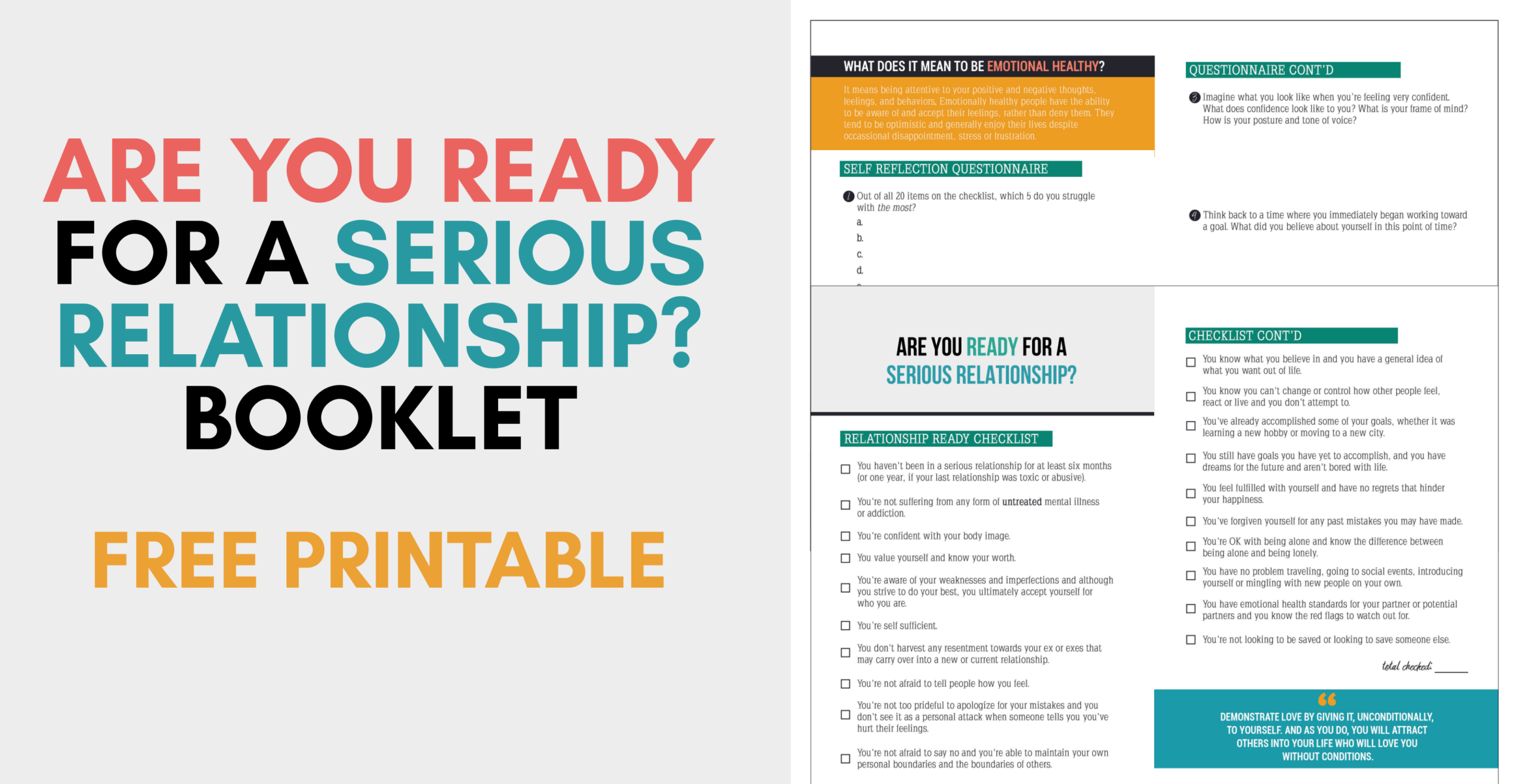
DOWNLOAD FREE PRINTABLE
If You’re Making False Accusations Due to BPD Paranoia
Recognizing that BPD paranoia may be influencing your thoughts or reactions can be a powerful turning point. If you have found yourself accusing loved ones of lying, betraying you, abandoning you, or intentionally hurting you, it can bring up feelings of guilt, shame, or embarrassment afterward. However, noticing this pattern is not a reason to judge yourself—it is an opportunity to better understand your emotions and develop healthier ways of responding.
Many people with Borderline Personality Disorder paranoia do not make accusations because they want to hurt others. Instead, these reactions often happen when intense emotions, fear of abandonment, past experiences, or feelings of insecurity become overwhelming. The goal is not to ignore your feelings, but to learn how to separate emotional fears from objective evidence before taking action.
If you recognize this pattern in yourself, consider the following steps:
Seek Professional Support
Therapy can provide a safe space to explore the fears and experiences that contribute to BPD paranoid thoughts. A mental health professional can help you understand emotional triggers, recognize patterns, and develop skills for managing intense reactions.
Evidence-based treatments such as Dialectical Behavior Therapy (DBT) can be especially helpful for learning emotional regulation, distress tolerance, interpersonal effectiveness, and mindfulness skills.
Practice Self-Compassion
It is common to feel ashamed after realizing that fear or paranoia affected the way you treated someone. However, shame often keeps people stuck in the same patterns.
Remember that having BPD paranoia does not mean you are a bad person or a bad partner, friend, or family member. These reactions are symptoms and learned coping patterns—not a reflection of your worth or character.
Self-compassion allows you to take responsibility for your actions while still recognizing that change is possible.
Reflect on Patterns and Triggers
Developing insight is an important part of recovery. Looking back at past situations can help you identify common themes, such as:
- What situations tend to trigger suspicious thoughts?
- What emotions were present before the accusation happened?
- Were you feeling rejected, ignored, afraid, or overwhelmed?
- Did the situation have another possible explanation?
- What happened after you had time to calm down?
Over time, recognizing these patterns can help you catch BPD paranoid thoughts earlier and respond differently.
Learn to Repair After Conflict
Healthy relationships do not require perfection—they require the ability to repair after difficult moments. If you realize you made an accusation based on fear rather than evidence, acknowledging it can help rebuild trust.
A meaningful apology may include:
- Recognizing how your words or actions affected the other person.
- Taking responsibility without excessive self-blame.
- Explaining what you were feeling without using it as an excuse.
- Communicating what you want to do differently moving forward.
Repairing relationships after conflict is a valuable skill and an important part of emotional growth.
Build Trust Through Consistency and Vulnerability
Trust develops through repeated experiences of honesty, openness, and emotional safety. Instead of relying on accusations to seek reassurance, practice expressing the underlying fear.
For example, instead of saying:
“You don’t care about me. You’re probably going to leave.”
You might try:
“I’m feeling afraid that I’m losing connection with you, and I need reassurance.”
Learning to communicate the fear underneath the accusation can create deeper understanding and stronger relationships.
Focus on Progress, Not Perfection
Changing long-standing patterns takes time. There may still be moments when fear feels stronger than logic, especially during periods of stress. Progress is not about never having a suspicious thought—it is about noticing those thoughts sooner, questioning them more effectively, and choosing healthier responses.
With self-awareness, support, and practice, many people with BPD learn to manage paranoid thoughts, improve relationships, and develop a greater sense of trust and emotional security.

DOWNLOAD FREE PRINTABLE
What to Do If You’re Wrongfully Accused Due to BPD Paranoia
Being on the receiving end of false accusations related to BPD paranoia can be confusing, painful, and emotionally exhausting. Whether the accusations come from a romantic partner, family member, friend, or another loved one, it can be difficult to understand why someone you care about believes something that feels completely untrue.
When someone is experiencing Borderline Personality Disorder paranoia, they may genuinely believe they have uncovered evidence that someone has betrayed them, rejected them, or intentionally hurt them. Because the fear and emotions behind these beliefs can feel extremely intense, it may become difficult for them to separate objective facts from assumptions, fears, or past experiences.
It is important to understand that these accusations often come from a place of fear, insecurity, or emotional pain rather than a deliberate attempt to hurt someone else. At the same time, compassion does not mean you have to accept harmful behavior, tolerate repeated accusations, or ignore your own emotional needs.
If you are experiencing BPD false accusations, remember:
It’s Not Always About You
When someone is experiencing BPD paranoid thoughts, their interpretation of a situation may be influenced by intense emotions, fear of abandonment, past trauma, or cognitive distortions. Their reaction may reflect their internal distress rather than the reality of what you did or intended.
This does not mean their feelings should be dismissed. It means that feelings and facts are not always the same thing.
Stay Calm and Avoid Escalating the Situation
When accusations become emotionally charged, responding with anger or defensiveness can often intensify the conflict. If possible, remain calm and avoid trying to prove every detail in the middle of a highly emotional moment.
Sometimes the most productive response is to acknowledge the emotion while gently maintaining your own perspective.
For example:
“I understand that you’re feeling hurt and scared. I want to talk about this, but I also want us to discuss it when we are both calmer.”
Communicate When Both People Are Calm
Difficult conversations are usually more productive when emotions have settled. During calmer moments, you can discuss what happened, how each person interpreted the situation, and what communication strategies may help in the future.
Using “I” statements can reduce defensiveness:
- “I feel hurt when I’m accused of something I didn’t do.”
- “I want to understand what made you feel this way.”
- “I care about you, and I also need us to communicate respectfully.”
Encourage Professional Support
If BPD paranoia is causing frequent conflict, relationship difficulties, or significant distress, encourage your loved one to seek professional support. Therapies such as Dialectical Behavior Therapy (DBT) can help individuals with BPD learn skills for emotional regulation, distress tolerance, interpersonal effectiveness, and reality-testing.
Support and encouragement can be helpful, but it is important to remember that you cannot do the work of recovery for someone else.
Protect Your Own Mental Health
Supporting someone who experiences intense emotions or paranoid thoughts can be challenging. Make sure you also have support, whether through your own therapist, trusted friends and family, educational resources, or support groups for loved ones of people with BPD.
Healthy relationships require compassion for both people involved. Your loved one’s feelings deserve understanding, and your own feelings, boundaries, and safety deserve respect.
Remember: Boundaries and Compassion Can Exist Together
A common misconception is that you must choose between being supportive and protecting yourself. In reality, both can exist at the same time.
You can care about someone with Borderline Personality Disorder while also setting limits around disrespectful communication, repeated accusations, or behaviors that negatively impact your well-being.
With increased awareness, healthier communication, and appropriate support, many relationships affected by BPD paranoia can improve. Learning to recognize the difference between validating someone’s emotions and agreeing with inaccurate beliefs is an important step toward creating safer, healthier connections.
Looking for Characters with BPD? The novel + original soundtrack Sadie’s Favorite by Sarah Rose explores BPD recovery and abusive “FP” relationships. Read First 6 Chapters.
Can BPD Paranoia Damage Relationships?
Yes, BPD paranoia can impact relationships, especially when intense fears and suspicious thoughts lead to misunderstandings, conflict, or difficulty trusting others. However, experiencing paranoia in Borderline Personality Disorder does not mean someone is incapable of having healthy, stable, and loving relationships. With awareness, communication skills, and effective treatment, many people with BPD learn to manage paranoid thoughts and build stronger connections.
During periods of stress-related paranoia, someone with BPD may misinterpret another person’s words, actions, or intentions. For example, a delayed text message may feel like rejection, a change in someone’s tone may feel like anger, or a disagreement may feel like proof that the relationship is ending. When these fears feel overwhelming, they can sometimes lead to behaviors that unintentionally create distance, such as seeking repeated reassurance, withdrawing, becoming defensive, or making accusations.
Common ways BPD paranoia may affect relationships include:
- Difficulty trusting loved ones: Fear of betrayal or abandonment may make it challenging to fully believe reassurance from partners, friends, or family members.
- Frequent misunderstandings: Neutral situations may be interpreted as signs of rejection, criticism, or hidden intentions.
- Conflict and emotional escalation: Acting on paranoid thoughts before checking the facts can lead to arguments or hurt feelings.
- Fear-based reactions: Someone may push others away, test relationships, or become guarded as a way to protect themselves from potential pain.
- Emotional exhaustion for both people: Repeated cycles of fear, reassurance-seeking, conflict, and repair can be difficult for everyone involved.
It is important to understand that BPD paranoid thoughts are often driven by fear rather than a desire to cause harm. Many people experiencing BPD paranoia are not trying to be difficult or create conflict—they are responding to emotions that feel overwhelming and threatening in the moment.
Healthy relationships are still possible with BPD. Learning skills such as reality testing, mindfulness, emotional regulation, and the DBT “Check the Facts” skill can help individuals slow down, question assumptions, and respond based on evidence rather than intense emotions.
For loved ones, understanding the difference between validating feelings and agreeing with inaccurate beliefs is key. A supportive response might acknowledge the person’s fear while still maintaining healthy boundaries and communicating honestly.
Ultimately, BPD paranoia does not have to define a relationship. With treatment, self-awareness, consistent communication, and mutual effort, many people with Borderline Personality Disorder develop trusting, secure, and meaningful relationships.
How to Check the Facts if You Have BPD
One of the most helpful skills for managing BPD paranoia is learning how to check the facts before reacting to intense emotions. This skill, commonly taught in Dialectical Behavior Therapy (DBT), helps you slow down and examine whether your thoughts are based on objective evidence or whether they may be influenced by fear, past experiences, or emotional distress.
When experiencing paranoid thoughts with BPD, your emotions may feel like proof that something is wrong. For example, feeling rejected may make it seem certain that someone is abandoning you, or feeling suspicious may make it seem certain that someone is lying. Checking the facts does not mean dismissing your feelings—it means creating space to look at the entire situation more clearly.
Before acting on a fear or assumption, ask yourself:
What evidence do I actually have?
Separate facts from interpretations. Ask yourself what you can directly observe versus what you are assuming.
Example:
- Fact: “They have not responded to my message for several hours.”
- Interpretation: “They are ignoring me because they do not care.”
The first statement is something you know. The second is a possible explanation—but not the only one.
What evidence contradicts this belief?
When emotions are intense, the brain often focuses only on information that supports the fear. Try looking for evidence that tells a more balanced story.
Ask yourself:
- Have they shown care or support in the past?
- Is there another reason this may be happening?
- Am I overlooking information because I feel hurt or afraid?
Could there be another explanation?
BPD paranoid thoughts often involve assuming the worst possible explanation. Challenge yourself to consider other possibilities.
For example:
- “They seem distant” could mean they are upset—or they could be tired, stressed, distracted, or dealing with something unrelated.
- “They canceled plans” could mean rejection—or it could mean something unexpected came up.
Finding alternative explanations can help reduce emotional intensity and prevent impulsive reactions.
Would I feel the same after sleeping on it?
Strong emotions often feel urgent, but urgency does not always mean action is required. Giving yourself time to calm down can help your logical thinking return.
Ask yourself:
- Will this still feel equally true tomorrow?
- Am I making a decision while emotionally overwhelmed?
- Would I respond differently if I felt calmer?
Have I experienced this fear before?
Patterns can reveal important information. Many people with BPD notice that certain fears repeat, especially around abandonment, rejection, betrayal, or being misunderstood.
Reflecting on past situations can help you recognize:
- “This feels familiar.”
- “I have had this fear before.”
- “The outcome was different than I expected.”
Am I reacting to facts or emotions?
Your emotions deserve attention, but emotions are not always accurate predictions of reality.
Try asking:
- “What am I feeling right now?”
- “What story is my mind creating?”
- “What facts support that story?”
- “What facts suggest another possibility?”
This helps separate the emotional experience from the conclusions your brain may be drawing.
What would someone I trust say?
When BPD paranoia is strong, it can be difficult to see situations from a balanced perspective. Asking a trusted person for an outside viewpoint can provide helpful perspective.
Choose someone who can support you while also helping you reality-test—not someone who will automatically confirm every fear.
Learning to check the facts takes practice. The goal is not to eliminate emotions or convince yourself that your concerns are never valid. The goal is to create a pause between feeling something and reacting to it. Over time, this skill can help reduce BPD paranoid thoughts, improve communication, and create healthier, more secure relationships.
How DBT Can Help BPD Paranoia
Dialectical Behavior Therapy (DBT) is one of the most widely recommended therapies for Borderline Personality Disorder and can be especially helpful for managing BPD paranoia, intense emotions, and relationship challenges. DBT teaches practical skills that help people recognize emotional triggers, tolerate distress, regulate overwhelming feelings, and respond to situations more thoughtfully. Because paranoid thoughts in BPD often become stronger during periods of emotional distress, learning to calm the nervous system before reacting can make it easier to evaluate situations more accurately.
Several DBT skills can help reduce the impact of BPD paranoid thoughts, including Check the Facts, mindfulness, distress tolerance, and emotion regulation skills. These tools help individuals separate feelings from facts, challenge cognitive distortions, consider alternative explanations, and communicate needs more effectively. DBT does not teach people to ignore their emotions—it helps them understand their emotions while creating space to choose healthier responses. With consistent practice, many people with BPD learn to recognize paranoia sooner, reduce impulsive reactions, rebuild trust in relationships, and develop greater confidence in their ability to handle difficult emotions.
FAQ About BPD Paranoia
BPD paranoia often feels like a sudden certainty that someone is lying, abandoning you, talking about you, or secretly trying to hurt or manipulate you. These thoughts are usually triggered by stress, conflict, or perceived rejection and may lessen once emotions settle.
Yes. Temporary, stress-related paranoid thoughts are one of the symptoms that can occur with Borderline Personality Disorder. They often appear during periods of intense emotional distress and typically improve as the stressful situation resolves.
Sometimes. During periods of intense emotional distress or paranoia, someone with BPD may genuinely believe something happened even when there is little or no evidence. That doesn’t necessarily mean they are intentionally lying—they may be reacting to fear, trauma, or cognitive distortions.
Look for patterns rather than isolated moments. Ask yourself whether there is consistent evidence supporting your concerns, seek input from trusted people, and wait until emotions have settled before making major decisions whenever possible.
Common triggers include:
-Fear of abandonment
-Relationship conflict
-Feeling rejected
-High stress
-Trauma reminders
-Misinterpreted text messages or social interactions
Yes. For many people, paranoid thoughts are temporary and improve as emotional intensity decreases. Learning emotion regulation skills, challenging cognitive distortions, and working with a mental health professional can reduce how often these episodes occur.
Not necessarily. BPD paranoia is usually brief and related to stress. Psychosis generally involves a more persistent loss of contact with reality. Because symptoms can overlap, it’s important to speak with a qualified mental health professional if you’re unsure what you’re experiencing.
Yes. High anxiety can amplify suspicious thoughts, especially in people with BPD. As anxiety increases, it may become harder to accurately interpret other people’s intentions.
Helpful strategies include:
-Pause before reacting.
-Look for objective evidence.
-Consider alternative explanations.
-Talk to someone you trust.
-Use grounding or DBT emotion regulation skills.
-Wait until you’re calm before confronting someone.
Healthy intuition is usually calm, consistent, and supported by evidence over time. BPD paranoia often appears suddenly during emotional distress, feels urgent, and is driven more by fear than objective evidence. Looking for long-term patterns rather than isolated incidents can help distinguish between the two.
When Should You Seek Professional Help?
While BPD paranoia can be a common experience for some people with Borderline Personality Disorder, it is important to seek professional support when paranoid thoughts become frequent, overwhelming, or begin to interfere with daily life. Paranoia in BPD can make relationships, work, and personal well-being more challenging, especially when fears of rejection, betrayal, or abandonment lead to ongoing distress or conflict.
Consider reaching out to a mental health professional if you experience BPD paranoid thoughts that are difficult to manage, cause significant anxiety, or make it hard to trust the people around you. Professional support may be especially helpful if you notice that paranoia is leading to repeated arguments, isolation, impulsive decisions, intense emotional reactions, or difficulty separating fears from objective evidence.
You may benefit from seeking help if:
- Paranoid thoughts happen frequently or feel increasingly intense. Occasional stress-related suspicious thoughts can occur with BPD, but frequent or escalating paranoia may require additional support.
- BPD paranoia is affecting your relationships. If fears of betrayal, abandonment, or rejection are creating repeated conflict with partners, friends, or family members, therapy can help improve communication and trust.
- You find yourself acting on fears before checking the facts. Accusing others, ending relationships suddenly, withdrawing, or making major decisions based on intense emotions can be signs that additional coping tools may be helpful.
- You feel unable to tell the difference between fear and reality. A mental health professional can help you develop reality-testing skills and better understand your thoughts and emotions.
- Your distress feels overwhelming. If paranoia is accompanied by severe anxiety, hopelessness, self-harm urges, or thoughts of suicide, seeking immediate support is important.
Evidence-based treatments, including Dialectical Behavior Therapy (DBT), can help individuals with Borderline Personality Disorder learn skills to manage emotional intensity, challenge cognitive distortions, improve relationships, and reduce the impact of stress-related paranoid thoughts. Therapy can also help address underlying factors that contribute to paranoia, such as trauma, fear of abandonment, and difficulties with emotional regulation.
Seeking help for BPD paranoia does not mean your thoughts or feelings are invalid. It means you are gaining support to better understand your experiences, respond to them more effectively, and build a life and relationships that feel safer and more stable.

Recovery is Possible
Many people with BPD notice that paranoid thoughts become less frequent as they learn emotion regulation skills, process trauma, and build healthier relationships. Recovery doesn’t necessarily mean never experiencing paranoid thoughts again—it often means recognizing them sooner, questioning them more effectively, and responding in ways that strengthen rather than damage relationships.
Further Reading
• BPD Splitting: Everything You Need to Know
• Understanding BPD and Paranoia
• Cognitive Distortions in BPD
If You Are Being Abused & Are Looking to Feel Seen
Sadie’s Favorite by Sarah Rose is a novel that has a character with BPD, for those navigating the complexities of abusive “favorite person” relationships. Through its compelling narrative, it offers a mirror to the reader’s experiences, providing validation and understanding. Early readers have found it comforting, noting that it captures the nuanced emotions and challenges they face. If you’re seeking a story that resonates with your journey and offers hope, Sadie’s Favorite is a “written for you” companion.

BPD Resources
BPD in Fiction: Sadie’s Favorite by Sarah Rose is a Novel + Original Soundtrack that touches on BPD recovery and overcoming toxic “favorite person” (FP) relationships.
Join a Support Group: Study healthier coping skills with others. For people with BPD 18+ worldwide. Secure your spot! Join now.
Private Coaching: Get 1-on-1 support from someone with lived experience of BPD and remission by booking a call.
Manage your BPD symptoms with a printable workbook.
See our recommended list of books about BPD.
Start a Discussion
Share your experience with BPD splitting in the comments. Do you have trouble navigating a relationship with someone who has BPD? We’d love to hear from you!
Pin This Post
Liked this post? Please help support BPD Beautiful and spread BPD awareness by pinning it on Pinterest.









Leave a Reply
You must be logged in to post a comment.